
Plants
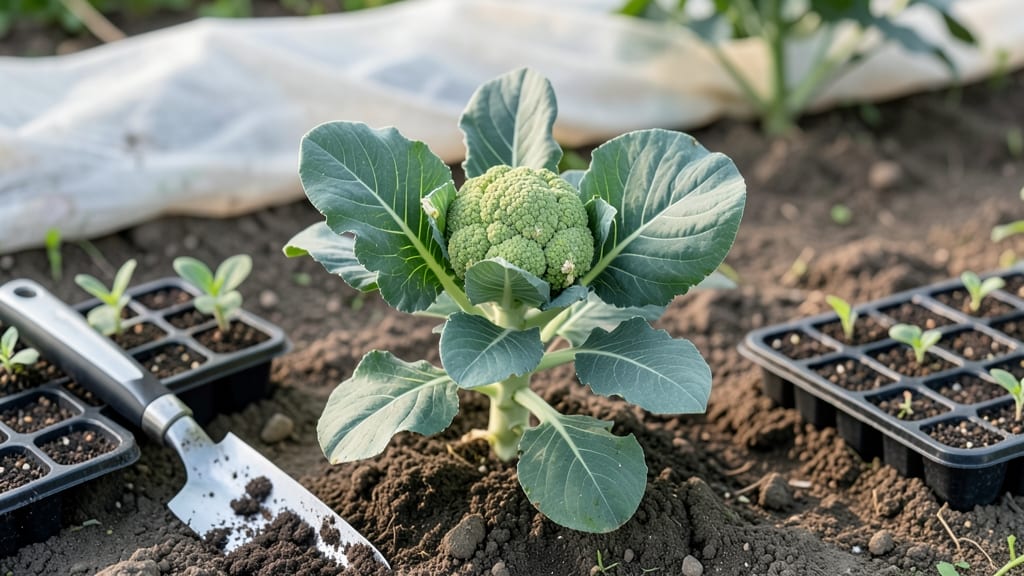
Timing your cauliflower 🥬 planting in Georgia can mean the difference between a bumper crop and a bitter disappointment. One wrong move, and your plants bolt—turning into yellow flowers instead of the tender heads you crave.
But don’t stress: with the right schedule, you can grow perfect cauliflower twice a year in USDA Zones 7b-8b.
Spring is your best bet, with ideal planting windows opening in February and closing by March. But fall also works if you start 8-10 weeks before frost—typically between August and September. The key? Avoid Georgia’s heat waves, which trigger bolting faster than you can say "pest control."
I’ll break down the exact dates, soil prep secrets, and even how to stretch your growing season with shade tricks. Whether you’re a first-time gardener or a veteran green thumb, these tips will help you dodge common mistakes and harvest cauliflower that’s as crisp as it is delicious.
Ready to master the timing? Let’s dive into the planting calendar that keeps your cauliflower happy—and your dinner plate full.
Georgia cauliflower planting calendar: exact dates to avoid bolting in USDA Zone 8a
Cauliflower thrives in Georgia's USDA Zone 8a during two key windows: late winter/early spring and late summer/fall. The difference between success and bolting often comes down to precise timing—especially since Georgia's heat waves can trigger premature flowering in just 70-75°F soil temps.
Let's break down the exact dates and conditions for each season.
For spring planting, aim to transplant seedlings 4-6 weeks before your last frost date. In most of Georgia, this means mid-February to early March when daytime temps hover around 60-65°F.
Coastal areas (like Savannah) can start slightly earlier, while the Piedmont (Athens, Macon) may need to wait until late February.
Fall planting offers a second chance for harvests. Start seeds indoors 10-12 weeks before your first frost (typically mid-August to early September), with transplants going out by late September. This gives plants enough time to mature before winter sets in.
| Season | Planting Window | Key Temp Threshold | Harvest Window | Best Varieties |
|---|---|---|---|---|
| Spring | Mid-Feb to early March | 60-65°F daytime | May-June | Snowball Y Improved, Purple of Sicily |
| Fall | Mid-Aug to early Sept (indoors) | 75-80°F soil (cool nights) | Oct-Nov | Graffiti, Romanesco |
Georgia's microclimates create exceptions to these rules. Coastal areas (like Brunswick) can push spring planting to January thanks to milder winters, while mountainous regions (like Blue Ridge) may need to delay until late March. Always check your local frost dates using the Georgia Climate Project maps for precise adjustments.
Heat-tolerant varieties like 'Graffiti' (with its colorful leaves) or 'Romanesco' (fractal-shaped heads) perform better in Georgia's summer heat than traditional white varieties. These can handle 85°F temps for short periods without bolting, giving you more flexibility in your planting schedule.
One critical mistake Georgia gardeners make is ignoring soil temperature. Cauliflower roots need soil at 55-65°F to establish properly. Use a soil thermometer to verify—if it's below 50°F, wait another week. Black plastic mulch can warm soil by 5-10°F if you're in a hurry to plant.
For fall plantings, focus on cool-season varieties that mature quickly. Aim for varieties with 60-70 day harvest times to ensure they finish before winter sets in. Succession planting every 2 weeks in September can extend your harvest window by 4-6 weeks.
Remember: Georgia's humidity and heat create unique challenges. While northern gardeners might plant cauliflower in May, Georgia's summer heat would cause it to bolt within 10 days. Stick to the spring/fall windows for reliable results.
Pro tip: Mark your calendar for April 15 and September 1 as your last safe transplant dates in most of Georgia. After these dates, bolting risk skyrockets unless you're using heat-tolerant varieties with shade cloth protection.
How to extend Georgia’s cauliflower growing season without bolting
Georgia’s long, humid summers and mild winters create unique challenges for growing cauliflower. The key to success? Strategic planting that avoids heat stress and premature bolting. With the right techniques, you can enjoy two harvests per year—spring and fall—without your plants turning bitter or flowering too soon.
First, focus on fall planting, which is often more reliable in Georgia’s climate. Start seeds indoors 8-10 weeks before your expected first frost (typically mid-November). For most of Georgia, this means late August to early September for transplanting outdoors.
Use heat-tolerant varieties like 'Purple of Sicily' or 'Snowball Y Improved' to handle Georgia’s late-summer heat better.
🌱
- ✅ Use shade cloth (30-50%) during late summer heat waves to protect seedlings. Install it when temps exceed 85°F and remove it once temps drop below 75°F.
- ✅ Warm your soil in early spring by covering beds with black plastic mulch 2-3 weeks before planting. This speeds up germination and gives seedlings a head start.
- ✅ Plant in succession every 2-3 weeks from August through September. This ensures a staggered harvest and reduces bolting risk from inconsistent heat.
- ✅ Choose microclimate spots. Coastal areas (like Savannah) can handle slightly later plantings, while Piedmont regions (like Athens) should plant 2-3 weeks earlier to avoid heat stress.
- ✅ Fertilize strategically. Use a low-nitrogen, high-phosphorus fertilizer (like 5-10-10) when transplanting to encourage root growth, not leafy tops. Avoid over-fertilizing in hot weather.
Don’t overlook soil preparation—Georgia’s clay-heavy soils can trap heat and moisture, both of which stress cauliflower. Amend your beds with 2-3 inches of compost and sand to improve drainage. Aim for a soil pH of 6.0-7.0, as cauliflower is sensitive to acidic conditions.
Test your soil in early summer to give yourself time to make adjustments before fall planting.
For spring planting, time your seeds carefully. Start them indoors 6-8 weeks before your last frost date (mid-March for most of Georgia). Transplant outdoors in late February to early March, when soil temps are consistently above 45°F.
Use row covers if frost threatens, but remove them during the day to prevent overheating.
Finally, monitor your plants for early bolting signs like elongated stems or yellowing leaves. If you catch it early, prune the flowering stalk and focus on keeping the plant well-watered and shaded. With these techniques, you’ll double your harvest and enjoy crisp, tender cauliflower heads all year in Georgia’s climate.
🌿