
Plants
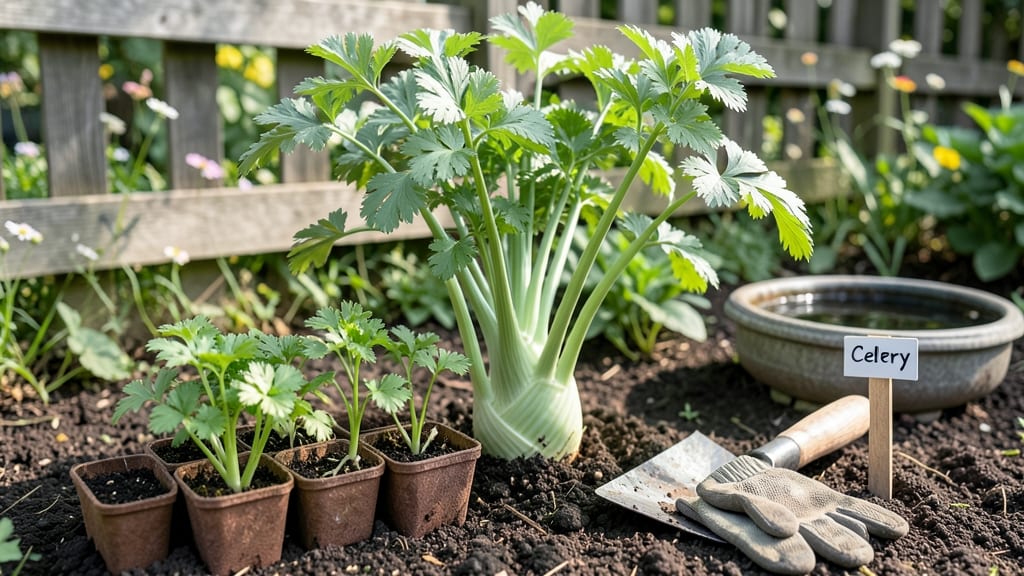
Timing your celery planting in Ohio isn’t just about the calendar—it’s about beating frost, avoiding summer wilts, and giving those crisp stalks the perfect growing window. With Ohio’s Zone 6a climate and unpredictable spring frosts, planting too early or too late can mean bitter harvests or no harvest at all.
Most gardeners in Ohio swear by two key windows: early spring (March–April) for summer harvests or late summer (July–August) for fall crops.
But here’s the catch—celery 🥬 thrives when soil temps hit 50°F and stays warm, so rushing seedlings outdoors before the last frost (usually around April 15) can stunt growth. That’s why starting seeds indoors 10–12 weeks before transplanting is a game-changer.
In this guide, I’ll break down the exact frost-free windows for Ohio’s regions, the best celery varieties for your garden, and pro tips to extend your harvest—without risking a surprise frost.
Whether you’re a first-timer or a seasoned gardener, these strategies will help you grow celery that’s sweeter, crisper, and ready just in time for your favorite soups and salads.
Ready to turn your Ohio garden into a celery powerhouse? Let’s dive into the timing secrets that’ll keep your plants happy from seed to harvest.
Ohio’s frost-free window for celery: ideal planting dates by region
Ohio’s USDA Zones 5-6 mean frost dates vary dramatically—from mid-April in southern regions like Cincinnati to late May in northern areas like Cleveland. Celery thrives in cool temperatures, so timing your planting to avoid summer heat is critical.
For most of Ohio, the ideal frost-free window spans from March to early April for spring planting and July to early August for fall harvests.
In urban areas like Columbus or Dayton, where microclimates create warmer pockets, you can push planting dates 1-2 weeks earlier than rural zones. Meanwhile, northern Ohio gardens (e.g., Toledo, Youngstown) should wait until after the last frost—typically May 1—to avoid frost damage to young seedlings.
Celery is a cool-season crop, so your goal is to plant when soil temperatures reach 40-60°F. Use a soil thermometer to check—if it’s colder, wait.
In Ohio, this usually aligns with late March to early April for spring plantings, but July is safer for fall crops to avoid summer bolting.
For direct sowing, plant seeds 2-3 weeks before your last frost date. However, Ohio’s unpredictable spring weather often makes starting seeds indoors (10-12 weeks before transplanting) a smarter strategy. This gives you a head start on the 120-day harvest window most varieties need.
Ohio’s humid summers can stress celery, so fall plantings (July-August) often yield better results. Aim to harvest before first frost in October, or use row covers to protect tender stalks.
In southern Ohio, you might squeeze in a second fall crop by planting in early August for a late-October harvest.
If you’re direct sowing, scatter seeds 1/4 inch deep and 1/2 inch apart once they’re 2-3 inches tall. For transplants, space them 12-18 inches apart in rows 18-24 inches apart to allow for full growth. This spacing is crucial—overcrowding leads to pale, stringy stalks.
Remember, Ohio’s 165-day frost-free season is tight for celery. If you miss the spring window, don’t despair—fall planting can still yield great results with proper care. Just monitor soil moisture and protect from late frosts to maximize your harvest.
For urban gardeners, consider container growing—celery thrives in 5-gallon pots with well-draining soil. This gives you flexibility to move pots to shadier spots during Ohio’s hot July days while keeping roots cool.
Finally, succession planting every 2-3 weeks in spring ensures a continuous harvest through summer. In fall, a single planting in early August will keep you in celery until frost. With these Ohio-specific timelines, you’ll avoid the bitter, woody stalks that result from poor timing.
Ohio’s frost-free window for celery: ideal planting dates by region
Ohio’s USDA Zone 5-6 climate means celery thrives in both spring and fall, but timing is everything. The average last frost date is around April 15, while the first frost typically hits October 15, leaving a 165-day frost-free window for growing.
Urban areas like Columbus may experience frost 1-2 weeks later than rural zones, so adjust accordingly.
For spring planting, sow seeds indoors 10-12 weeks before your last frost date (around February 15) or transplant seedlings after April 15. This ensures mature plants by mid-summer, ready for harvest in August-September. Fall planting starts July 1-August 1 for a late-October harvest before frost.
Celery’s slow growth (120+ days to maturity) means rushing spring planting risks bolting from heat stress. Conversely, planting too late in summer may yield small, underdeveloped stalks before frost. Balance is key—aim for 6-8 weeks of warm weather after transplanting.
Celery Planting Timeline for Ohio
| Stage | Action | Ohio Dates |
|---|---|---|
| Indoor Seed Start | Sow seeds 10-12 weeks before last frost | February 15–March 1 |
| Transplant Outdoors | Move seedlings after last frost | April 15–May 1 |
| Direct Sow Outdoors | Sow seeds 6–8 weeks before first frost | July 1–August 1 |
| Harvest Window | Pick when stalks are 6–12" tall | August–October |
✅ Pro Tip: Use row covers to extend fall harvests by 2–3 weeks.
Ohio’s humid summers can stress celery, so prioritize well-draining soil and partial shade in afternoons. Avoid planting in low-lying areas where cold air pools, as these spots frost earlier. For urban gardeners, containers work well—just ensure pots are at least 12" deep and use moisture-retentive mixes.
Microclimates matter: Southern Ohio (e.g., Cincinnati) has earlier last frosts (mid-April), while Northern Ohio (e.g., Cleveland) may wait until May 1. Check your local Cooperative Extension for hyper-local data. Succession planting every 2 weeks in spring ensures a steady harvest.
Remember, celery hates heat stress—if daytime temps exceed 85°F, provide afternoon shade or mulch heavily to keep roots cool. With the right timing, you’ll enjoy crisp, homegrown celery from August through October! 🥬