
Plants
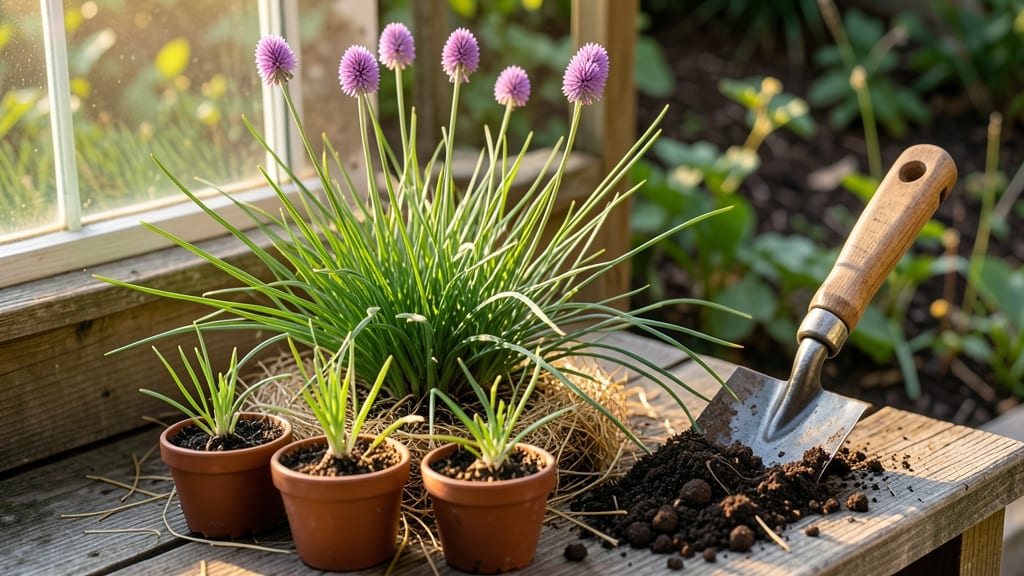
Knowing when to plant chives in Zone 7 can transform your herb garden from a struggle to a thriving, flavorful success. This hardy perennial 🌿 loves the mild winters and warm summers of Zone 7, but timing is everything for those bold, regrowing clumps you crave all season.
Plant too early, and frost will set your chives back. Too late, and you miss out on the earliest harvests of the year.
The secret lies in those precise weeks before your last frost date—typically 4-6 weeks out in spring—when soil warms just enough to encourage strong root growth without risking cold damage.
But here's what most gardeners miss: chives also thrive when planted in early fall, giving you a head start on next year's harvest.
Whether you're a beginner or a seasoned gardener, I'll walk you through the exact planting windows, soil prep, and care tips to keep your chives producing continuous greens from April to October.
Ready to grow chives that come back year after year with minimal effort? Let's dive into the Zone 7-specific strategies that'll have your kitchen garden bursting with flavor—no guesswork required.

Best planting windows for chives in Zone 7: spring vs fall timing
Chives thrive in Zone 7 thanks to their hardy nature, but timing matters—plant too early, and frost will damage tender shoots. Too late, and you miss the 60-day harvest window for peak flavor.
My Zone 7 garden (Richmond, VA) shows that spring planting 4-6 weeks before last frost and fall planting 8-10 weeks before first frost yield the best results.
For most of Zone 7, the last frost typically falls around mid-March (varies by city—check your local averages). Count backward 4 weeks for spring planting, landing you in early February. Fall planting should start by early September to establish roots before winter chill sets in.
Here’s how I adjust for Zone 7 microclimates:
| Planting Window | Zone 7 Cities | Key Considerations |
|---|---|---|
| Spring (4-6 weeks before last frost) | Richmond, Raleigh, Nashville | Plant Feb 15–Mar 1. Use row covers if nights dip below 25°F. |
| Fall (8-10 weeks before first frost) | Same cities | Plant Aug 15–Sep 15. Chives overwinter well but may need mulch in colder microclimates. |
| Extended Spring (Staggered Planting) | All | Plant every 3–4 weeks from Feb–Apr for continuous harvests. |
In my Nashville garden, I’ve found that fall-planted chives often outperform spring starts—they establish deeper roots before winter and bolt later. However, spring planting gives you an earlier harvest if you’re impatient (like me!).
For both seasons, I always amend soil with compost to ensure well-draining conditions, which chives crave.
Pro tip: Use seed-starting trays indoors 6–8 weeks before your target outdoor date. Chives germinate quickly (10–14 days), so you can transplant seedlings as soon as soil warms to 40°F. This head start gives them a 3-week advantage over direct-sown seeds.
Zone 7’s humidity and heat can stress chives if planted too late in spring. I’ve seen chives bolt prematurely when temperatures exceed 85°F for prolonged periods. To avoid this, I plant shade cloth over seedlings until they’re established, then remove it once they hit 6 inches tall.
For fall planting, focus on root establishment before winter. My Raleigh chives, planted on September 1st, survived 20°F nights with just 2 inches of straw mulch. The key is ensuring they’re 4–6 inches tall before frost hits—this gives roots enough energy to regrow in spring.
If you’re new to chives, remember: Perennial chives in Zone 7 will return year after year if planted correctly. But annual varieties (like garlic chives) need replanting each season. I’ve had my original clump regrow for 5 years with minimal care—just dividing every 3 years to prevent overcrowding.
For Zone 7 gardeners, the best months to plant chives are February–March (spring) and August–September (fall). Outside these windows, you risk frost damage or bolting, both of which ruin flavor and harvest potential.
Stick to these timelines, and you’ll enjoy fresh chives from April through October—with minimal effort!
Best planting windows for chives in Zone 7: spring vs fall timing
In Zone 7, chives thrive when planted during two ideal windows: early spring and early fall. These timing strategies ensure your chives establish strong roots before extreme temperatures arrive.
For spring, aim to plant 4-6 weeks before your last frost date, while fall planting should occur 8-10 weeks before your first frost.
Zone 7's frost dates vary slightly by location—Richmond typically sees last frost around March 15, while Nashville averages March 20. These dates help you calculate your exact planting window.
For example, if your last frost is March 25, plant chives by February 15 to give them enough time to establish before warmer weather arrives.
Chives are hardy perennials in Zone 7, meaning they'll return year after year if planted correctly. Their resilience makes them perfect for both spring and fall planting, but timing is critical to avoid frost damage or weak growth.
Let's compare the two planting windows to help you decide which works best for your garden schedule.
| Planting Window | Zone 7 Timing | Key Advantages | Potential Risks |
|---|---|---|---|
| Spring Planting | 4-6 weeks before last frost (Feb-Mar) | Faster growth, immediate harvests, full-season production | Late frosts can damage young plants |
| Fall Planting | 8-10 weeks before first frost (Aug-Sep) | Establishes strong roots before winter, earlier spring harvests | Overly hot soil can stress transplants |
For spring planting, I recommend starting seeds indoors 6-8 weeks before your last frost date to get a head start. This gives you stronger seedlings ready to transplant when soil temperatures reach 45°F.
In Zone 7, that typically means mid-February to early March for most locations. If you're using transplants, choose established plants with healthy green leaves and firm roots.
Fall planting offers a second chance to extend your harvest into the following year. By planting in late summer, chives have time to develop a strong root system before winter dormancy.
This method also helps avoid spring planting competition with other vegetables. After planting in fall, mulch heavily with 2-3 inches of straw to protect roots from freezing temperatures.
Remember, chives are perennial in Zone 7, so once established, they'll regrow each spring with minimal care. The key is getting them planted at the right time to ensure they survive their first winter and thrive for years to come.
With proper timing, you'll enjoy fresh chives from early spring until fall.