
Plants
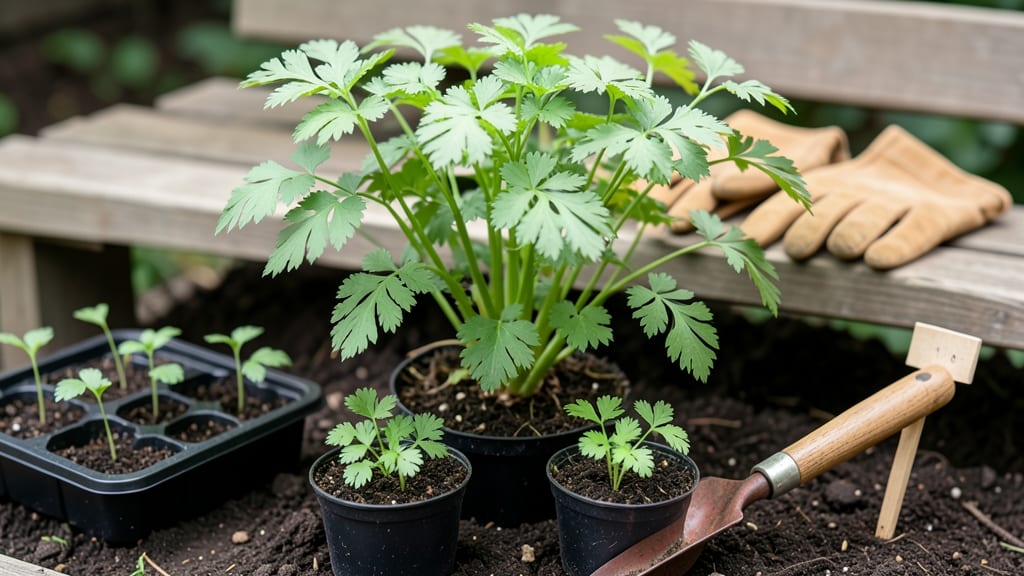
Timing your cilantro planting in Ohio can feel like a guessing game—too early and frost zaps your seedlings, too late and the heat sends your 🌿 cilantro bolting into bitter flowers before you even harvest.
But here's the secret: Ohio's 6a zone actually gives you two prime windows to grow this flavorful herb successfully.
Most gardeners in Ohio swear by planting cilantro in early spring (March-April) when soil temperatures rise above 40°F, but the real trick is knowing when to start seeds indoors or direct-sow outdoors to beat that tricky last frost around April 15.
The fall window (August-September) offers a second chance for harvest before first frost hits in mid-October.
What separates successful Ohio cilantro growers from those who give up? It's not just about dates—it's about understanding your microclimate. Northern Ohio's cooler pockets might extend your spring window, while southern Ohio's heat can push cilantro to bolt faster.
I'll show you how to read your local frost patterns and adjust planting times accordingly.
Ready to grow cilantro that stays fresh and flavorful all season? We'll cover everything from soil prep to shade strategies that keep your plants happy even when Ohio summers hit 90°F. Let's get those seeds in the ground at the perfect moment!
Ohio cilantro planting calendar: frost dates & hardiness zones
Ohio’s USDA hardiness zones 5-6 mean your cilantro planting window is short but sweet—just 165 frost-free days to work with. The key is timing: plant too early, and a late frost will wipe out your seedlings; too late, and your cilantro will bolt into flower before you can harvest.
My rule of thumb? Aim for 10 days after your average last frost date in spring, and 8 weeks before your first frost in fall.
Northern Ohio (zones 5) has later frost dates than southern Ohio (zone 6), so adjust accordingly. For example, in Cleveland (zone 5b), the last frost typically hits around April 20, while in Columbus (zone 6a), it’s closer to April 10.
Use these dates as your starting point, but always check your local Almanac frost predictions for the most accurate timing.
For spring planting, cilantro thrives when soil temperatures reach 40-85°F. In Ohio, this usually aligns with late March to early April for most regions. If you’re eager to start earlier, consider container growing under row covers to protect seedlings from unexpected cold snaps.
I’ve had success sowing cilantro in February indoors under grow lights, then transplanting outdoors after the last frost.
Fall is your second chance to grow cilantro in Ohio. Start seeds 8-10 weeks before your first frost—typically late July to early August. This gives your cilantro enough time to mature before temperatures drop.
In my zone 6a garden, I’ve found that planting by August 15 ensures a harvest before the first frost hits in mid-October.
Here’s a pro tip: Ohio’s microclimates can vary dramatically even within a few miles. If you live near a lake or river, your frost dates may be 1-2 weeks later than inland areas.
For example, Toledo’s lake-effect climate often delays frost by a week compared to nearby rural zones. Observe your garden’s unique conditions for 3-5 years to refine your planting schedule.
If you’re new to cilantro growing in Ohio, I recommend starting with successive plantings every 2 weeks in spring and fall. This ensures a steady supply of fresh leaves without overwhelming your garden.
For example, plant your first batch in late March, then follow up with seeds in mid-April and early May for a continuous harvest through June.
One common mistake Ohio gardeners make is planting cilantro too close to summer. Temperatures above 75°F consistently will trigger bolting, and Ohio’s July and August heat can make this inevitable. Instead, focus on fall plantings or use shade cloth to protect spring plants from early heat waves.
I’ve grown cilantro successfully in partial shade during July by using a 30% shade cloth, which buys me an extra 3-4 weeks of harvestable leaves.
For those in northern Ohio (zone 5), consider treating cilantro as a cool-season annual and prioritize fall plantings. The shorter growing season means spring cilantro often bolts before you can harvest enough leaves.
In my zone 5b garden, I’ve had the most success with cilantro planted in late July for a September-October harvest, avoiding the worst of the summer heat.
Finally, don’t overlook Ohio’s extended growing season tricks. If you’re willing to experiment, try growing cilantro under hoop houses or cold frames in winter. While it’s not ideal, a few hardy plants can survive
Heat tolerance hacks: how to extend cilantro’s growing season in Ohio
Ohio’s summer heat is cilantro’s worst enemy—temperatures above 75°F trigger bolting, turning your fresh herb into bitter seed stalks. But with the right tricks, you can coax cilantro to thrive well into late September or even overwinter in mild microclimates.
The key is managing heat stress through shade, soil moisture, and smart planting strategies.
First, invest in 30-50% shade cloth to filter intense afternoon sun. Hang it over your cilantro beds by late June—this mimics the cooler conditions cilantro craves. Pair this with daily watering in the morning to keep soil consistently moist, which helps roots stay cool and prevents stress-induced bolting.
Here’s my proven 3-step heat hack system for Ohio gardeners:
- Use shade cloth (30-50%) to block afternoon sun—install by late June.
- Water deeply at dawn (1 inch per week) to cool roots and prevent bolting.
- Mulch with 2-3 inches of straw to retain moisture and regulate soil temp.
- Sow new cilantro every 2 weeks from August through September for a continuous harvest.
- Choose heat-tolerant varieties like ‘Santo’ or ‘Calypso’ for longer growing windows.
- Plant in partial shade areas (e.g., near taller plants or fences).
- Use row covers in Zone 6a to protect cilantro through light frosts.
- Harvest before first frost (Oct 15) and regrow indoors under grow lights.
- Try container growing—move pots to a garage or sunroom in winter.
Don’t overlook companion planting—cilantro thrives near tomatoes, peppers, and beans, which provide shade and improve soil health. Avoid planting it with dill or fennel, which can cross-pollinate and ruin your harvest.
For a late-season boost, try interplanting with lettuce or spinach; the taller greens will shade cilantro naturally.
If all else fails, save seeds from your bolted cilantro plants—they’ll produce coriander, a spicier, heat-tolerant relative. Roast the seeds for a homegrown substitute when fresh cilantro becomes scarce. With these hacks, you can enjoy fresh cilantro in Ohio from spring through fall—and sometimes even winter!