
Plants
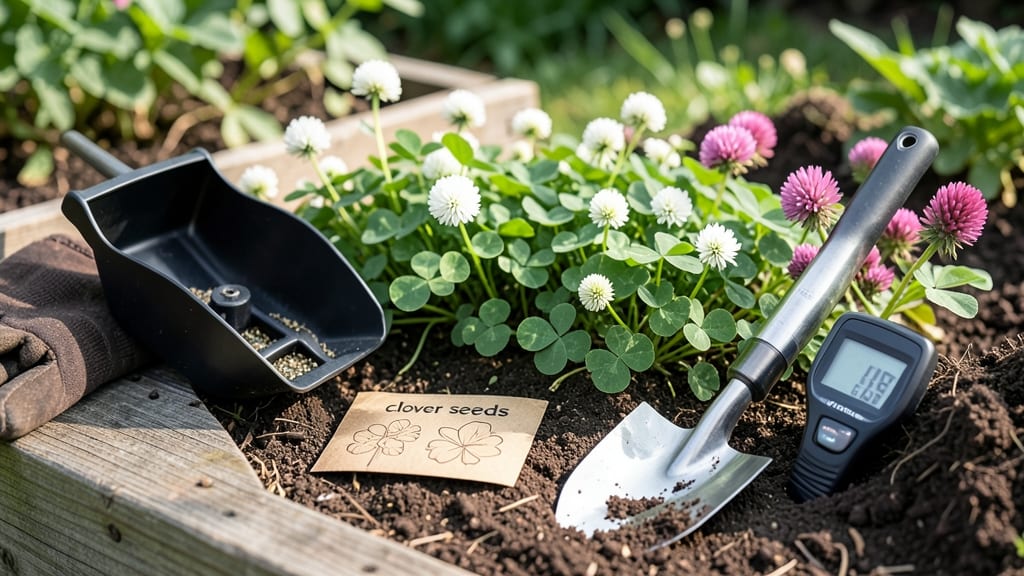
Planting clover in Utah might seem straightforward, but getting the timing right can make the difference between a fast, thriving cover crop and a struggle with uneven growth.
With Utah’s varied elevations and unpredictable frost patterns, knowing exactly when to plant clover—whether for erosion control, pollinator gardens, or livestock forage—is the key to success.
Most Utah gardeners swear by early spring or early fall as the best windows, but the ideal months can shift dramatically depending on whether you're in the high desert or mountain regions.
For example, lower elevations like Salt Lake City typically see their last frost around mid-April, while higher elevations might not be frost-free until May. Understanding these microclimates ensures your clover 🌱 establishes quickly and resists Utah’s alkaline soil challenges.
If you’ve ever watched clover seeds fail to sprout or wither under Utah’s summer heat, you know timing matters. I’ll break down the science behind Utah’s frost-free dates, soil temperature needs, and how to adjust your planting schedule for fast germination—even when Mother Nature throws curveballs.
Let’s get your clover off to the best possible start.
From soil prep tricks for Utah’s alkaline conditions to backup planting strategies for late starts, this guide covers everything you need to turn your clover patch into a lush, productive asset. Ready to transform your yard or pasture? Let’s dive in.
Best months to plant clover in Utah by region and elevation
Utah’s diverse geography—from the Wasatch Mountains to the Colorado Plateau—creates wildly different planting zones for clover. Lowland areas like St. George (Zone 8a) enjoy longer growing seasons, while high-elevation spots near Park City (Zone 5b) face shorter windows.
Even within the same county, frost dates can vary by 1-2 weeks depending on aspect and elevation.
For most of Utah, March through April is the sweet spot for planting clover, aligning with soil temperatures of 50°F+ and consistent moisture. White clover and red clover—two popular varieties—thrive when sown 4-6 weeks before the last frost, giving seedlings time to establish before summer heat arrives.
If you’re in Southern Utah (e.g., Kanab, Moab), aim for February to early March. These areas often see earlier last frosts (mid-March) and can handle slightly earlier plantings. Conversely, Northern Utah (e.g., Ogden, Logan) should wait until late March to April due to later frost risks.
High-elevation zones (7,000+ feet, like Salt Lake City or Heber Valley) may need to push planting to late April or even May. Alsike clover, a cold-hardy variety, can tolerate cooler soils and might succeed in these areas with a May planting, but germination will be slower.
Don’t overlook fall planting (August–September) for Utah’s cooler microclimates. Clover seeds sown in late summer can germinate with consistent moisture and establish roots before winter, giving you a head start in spring. This strategy works best in higher elevations where summers are short.
Utah’s alkaline soils (common in the West) can slow clover germination, so amend soil with compost or sulfur 2-3 weeks before planting to lower pH slightly. Aim for a pH of 6.0–7.0—clover struggles in soils above 7.5. Test your soil in early spring to adjust timing if needed.
For livestock forage, prioritize red clover in lower elevations (it matures faster) and white clover for pollinator gardens in higher elevations. Alsike clover, while cold-hardy, is less drought-tolerant, so reserve it for irrigated pastures or shaded areas.
Pro tip: Use a seed starter mix if sowing in cool soils (below 50°F). The extra warmth speeds germination, giving you a 2-week advantage in Utah’s unpredictable spring weather. Just remove the mix once seedlings emerge!
Always check the Utah Climate Center’s frost maps for your specific area—local conditions can shift planting windows by weeks. For example, Cache Valley might see frost in early April, while Washington Fields could wait until mid-April.
Best months to plant clover in Utah by region and elevation
Utah’s diverse geography—from the Wasatch Front’s urban gardens to high-desert rangelands—means clover planting windows vary dramatically. In lowland areas (e.g., St. George, Cedar City), where frost-free dates arrive by February 28, you can start as early as late February for white clover.
Meanwhile, mountain regions (e.g., Park City, Logan) with later frosts should wait until mid-April or even May for safety.
Soil temperature is your best guide: aim for 50°F or warmer at 2 inches deep. Use a soil thermometer to check—cool soils delay germination. Alsike clover, a cold-tolerant variety, can handle 40°F soils, while red clover thrives in 55-65°F ranges.
Utah’s alkaline soils (pH 7.5-8.5) also slow germination, so pre-soak seeds for 4-6 hours before planting.
For fall planting, aim for August 1–September 15 in Utah’s warmer zones. White clover establishes best in fall, while red clover needs a 60-day growing window before first frost. In high-elevation areas, fall planting is risky—opt for early spring instead to avoid winterkill from snowmelt fluctuations.
Pro tip: Test your soil’s pH before planting. Utah’s native soils often test alkaline (7.5+), which clover dislikes. Amend with elemental sulfur (1 lb per 100 sqft) to lower pH to 6.0–7.0. Mix amendments into the top 6 inches of soil 2 weeks before seeding for best results.
If you’re planting for livestock forage, prioritize early spring to maximize growth before Utah’s summer drought sets in. For pollinator gardens, a fall planting ensures early blooms next spring. Always oversow by 20% to account for Utah’s unpredictable germination rates.
Remember: Elevation matters more than latitude in Utah. A 5,000-foot garden in Southern Utah may have similar frost dates to a 7,000-foot garden in Northern Utah.
Use local USDA Plant Hardiness Zone maps and ask neighbors with established clover patches for their personal frost dates—they’re often more accurate than official records!