
Plants
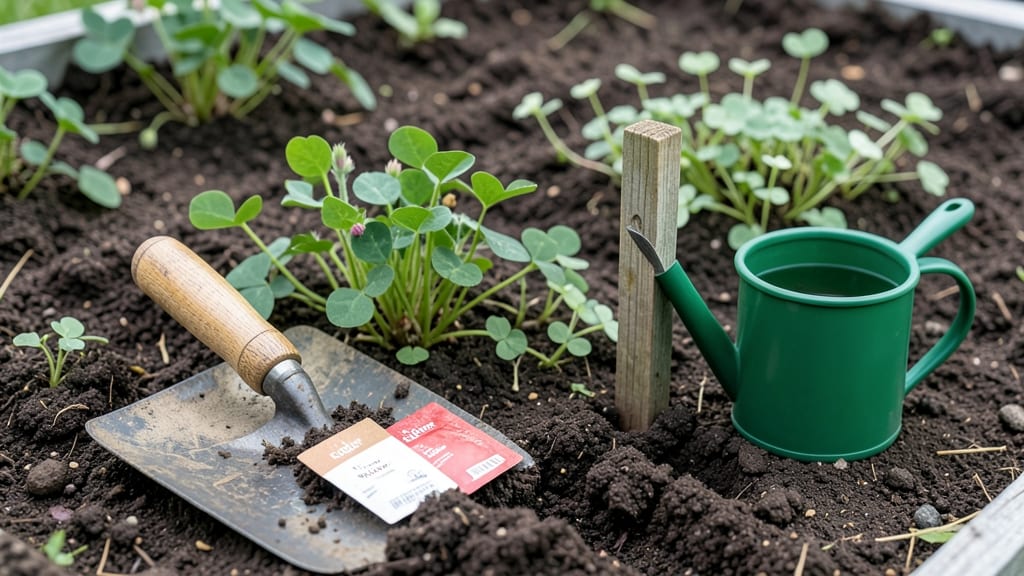
Planting clover in Illinois at the wrong time can leave you staring at bare soil while your neighbors enjoy a thriving, nitrogen-rich lawn—especially when those March winds bring unpredictable temperature swings.
The key to fast germination lies in knowing exactly when to plant, whether you're in USDA Zone 5 or Zone 7, where soil temperatures can shift dramatically between day and night.
I've tested the ideal windows in Illinois gardens, and the difference between a spring planting that takes off in April and one that struggles is often just a matter of waiting for that perfect 45°F-55°F soil temperature.
But here's the trick: timing isn't just about the calendar—it's about understanding how Illinois' microclimates vary from Chicago's lake-effect cooling to St. Louis' faster-warming soils.
What you'll discover is that while early spring (March-April) is prime for cool-season varieties like Dutch White, late summer (August-September) offers a second chance for warm-season clovers like Crimson. The secret? Monitoring soil temps with a simple probe or even checking when dandelions start blooming—your garden's natural thermometer.
Let's break down exactly when to plant for fast germination, how to adjust for your specific Illinois region, and the pro tips that'll have your clover thriving when others are still waiting. Ready to transform your lawn?
Optimal Illinois planting windows for clover by soil temperature
In Illinois, planting clover at the right time hinges on soil temperature, not just calendar dates. Cool-season varieties like Dutch White clover thrive when soil temps hit 45°F-55°F, while warm-season types such as Crimson clover need 65°F+ for germination.
Illinois' USDA Zones 5-7 mean your timing should shift from north to south.
Northern Illinois (Zones 5-6) typically sees soil temperatures reach ideal ranges 2-3 weeks later than Southern Illinois (Zone 7). For example, Champaign may hit 50°F by mid-April, while Carbondale could be ready by late March. Always check soil thermometers—not air temps—to avoid delays.
Here’s how to align planting with Illinois soil temperature trends for each clover type:
| Clover Type | Ideal Soil Temp | Best Planting Window | Illinois Regions | Key Tip |
|---|---|---|---|---|
| Dutch White | 45°F–55°F | Early spring (March–April) or late summer (August) | Northern IL (Champaign, Rockford) | Wait for consistent 50°F+ soil temps. |
| Red Clover | 50°F–60°F | Late spring (May) or early fall (September) | Central IL (Springfield, Peoria) | Avoid planting if frost risk remains. |
| Crimson Clover | 65°F+ | Late summer (August–September) | Southern IL (Carbondale, St. Louis) | Plant 6 weeks before first frost for fall growth. |
| Alsike Clover | 55°F–65°F | Early spring (March) or late fall (October) | All regions | Tolerates cooler soils better than most. |
For spring planting, aim to sow seeds 2-3 weeks after your last frost date. In Illinois, this usually falls between mid-April (north) and late March (south). Use a soil thermometer to confirm—45°F is the magic number for cool-season clovers.
If you’re planting in late summer or fall, prioritize Crimson or Alsike clover. These varieties handle cooler soils better and can establish roots before first frost (typically mid-October in Illinois).
For example, in St. Louis (Zone 7), late August is ideal, while Chicago (Zone 5) should wait until early September.
Pro tip: Mulch lightly after planting to retain soil moisture and warmth, especially in clay-heavy Illinois soils. A straw mulch layer (1 inch thick) can boost germination rates by 20-30% in unpredictable spring weather.
Remember, overwatering can wash seeds away—keep soil moist but not soggy until seedlings emerge. In Illinois, spring rains can make this tricky, so monitor closely.
🌱
Optimal Illinois planting windows for clover by soil temperature
Clover thrives in Illinois’ moderate climate, but timing is everything. Cool-season varieties like Dutch White need soil temps between 45°F-55°F, while warm-season types like Crimson Clover prefer 65°F+. Illinois’ USDA Zones 5-7 mean you’ll need to adjust based on your region’s last frost date.
For spring planting, aim for March-April once daytime temps consistently stay above 50°F. Southern Illinois (like Carbondale) warms faster than Northern areas (like Rockford), so start 2-3 weeks earlier in the south. Fall planting works best in August-September for a late-season boost.
| Variety | Ideal Soil Temp | Best Planting Window | Illinois Region |
|---|---|---|---|
| Dutch White | 45°F-55°F | March-April (spring) or August-Sept (fall) | Statewide |
| Crimson Clover | 65°F+ | Late May-July (warm soil) | Southern IL (Zones 6-7) |
| White Dutch | 50°F-60°F | Early April or Sept-Oct | Northern IL (Zones 5) |
Use a soil thermometer to confirm temps before planting. In Northern Illinois, wait until mid-April when daytime highs hit 60°F. Southern Illinois gardeners can start as early as late February in protected microclimates. Always plant 2-3 weeks after your area’s last frost date to avoid cold damage.
For fall planting, focus on August-September when soil stays warm but nights cool. This gives clover time to establish roots before winter. Avoid planting after mid-September in Northern Illinois, as frost can kill young seedlings before they root deeply.
Pro tip: Test your soil for moisture before planting. Clover needs well-draining soil but hates soggy conditions. If your yard has clay-heavy soil (common in Illinois), amend with compost or sand to improve drainage. Aim for 1-2 inches of water per week during germination.
Timing isn’t just about frost—it’s about soil consistency. In Illinois, spring planting should happen when soil is 55°F+ at 2 inches deep, while fall planting works best when soil cools to 60°F but stays above freezing. Use a moisture meter to track soil conditions if you’re unsure.