
Plants
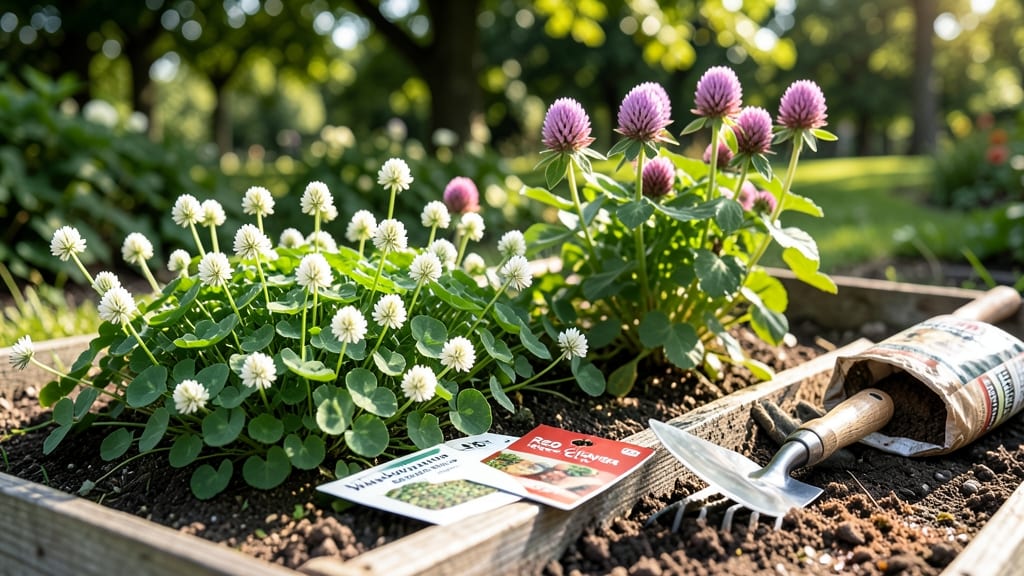
Timing your clover planting in Washington State can make or break your garden’s success—especially when coastal rain shadows meet inland heat. Get it wrong, and you’ll battle frost damage or stunted growth, no matter how well you prep your soil.
The right window ensures your 🌱 clover thrives as a nitrogen-rich cover crop, pollinator magnet, or lush lawn addition.
Washington’s USDA zones 6-8 (like Zone 6a in Eastern WA vs. Zone 8a in Western WA) create wildly different planting schedules. In the Puget Sound, you might sow as early as March, while Eastern WA’s drier climate demands a later April start.
We’ll break down the exact months for each microclimate so you avoid common pitfalls.
Whether you’re planting for erosion control, a bee-friendly lawn, or soil health, the key is planting after the last frost—typically mid-April in Zone 6a or early March in Zone 8a.
Fall planting? Aim for September–October, giving roots time to establish before winter. Let’s dive into the precise calendar for your corner of Washington.
Miss the window, and you’ll face slow germination or heat stress—problems we’ll help you spot early. By the end, you’ll know exactly when to plant for lush, resilient clover that transforms your soil and garden. Ready to get started?
Washington State clover planting zones: coastal vs. inland vs. mountain timing
Washington State’s three distinct microclimates—coastal, inland, and mountain—create wildly different clover planting windows. The Puget Sound region (Zone 8a) enjoys mild winters, while Eastern WA (Zone 6a) faces harsh frosts. Mountain zones (Zone 5b) have a shorter growing season.
Timing is everything to avoid frost damage or heat stress.
Clover thrives when soil temperatures reach 45–50°F, signaling it’s time to plant. In Western WA, this happens as early as February, while Eastern WA waits until April. Fall planting (September–October) is also ideal, giving roots time to establish before winter.
Let’s break down the exact planting windows for each zone.
🌱
🌱 Washington Clover Planting Zones Comparison
| Zone | USDA Zone | Last Frost Date | First Frost Date | Best Planting Window | Soil Temp Threshold |
|---|---|---|---|---|---|
| Coastal (Puget Sound) | 8a | March 1–15 | November 1–15 | Feb 15–Apr 15 Sep 15–Oct 15 |
45–50°F |
| Inland (Yakima, Wenatchee) | 6a | April 15–30 | October 15–30 | Apr 1–May 15 Sep 1–Oct 1 |
50–55°F |
| Mountain (Cascade Foothills) | 5b | May 1–15 | September 15–30 | May 1–Jun 15 Aug 15–Sep 15 |
55–60°F |
Note: Adjust dates 1–2 weeks earlier for lowland areas and later for high elevations.
In Western WA’s coastal zone, clover can handle early spring planting as soon as soil warms. I’ve seen white Dutch clover thrive when sown in late February near Bellingham, thanks to milder winters.
For Eastern WA, wait until mid-April to avoid late frosts—trust me, red clover won’t forgive rushed planting!
Mountain gardeners face the biggest challenges. High-elevation areas like Leavenworth often need to wait until May for safe planting. If you’re in this zone, consider hardy varieties like Alsike clover, which tolerates cooler soils better than others.
Always check your local frost dates—the WA State University Extension provides free frost maps for precise guidance.
For fall planting, aim to sow 4–6 weeks before first frost. In Zone 8a, this means September 15–October 1, while Zone 6a gardeners should plant by September 15.
Fall-sown clover establishes roots before winter, giving it a head start in spring. I’ve had great success with fall-planted crimson clover in Western WA, which greens up beautifully by March.
🌿
One common mistake I see is planting too late in spring. By June, Washington’s summer heat can stress clover seedlings, leading to stunted growth. If you miss the spring window, fall planting is your next best option.
Another tip: test your soil temperature with a soil thermometer—clover won’t germinate well below 45°F. For cooler microclimates, use black plastic mulch to warm the soil faster.
Pro tip: Mix clover varieties to extend your planting season. Early-maturing types like Ball clover can be planted in late spring (May–June) for a summer harvest, while late-maturing varieties like Alsike handle fall planting better. This strategy ensures year-round ground cover and nitrogen fixation.
💡
If you’re unsure about your exact microclimate, observe nearby plants. Dandelions blooming in February? You’re likely in a warmer zone (like Zone 8a). No blooms until April? You’re probably in Zone 6a or cooler.
Use this natural cue to fine-tune your planting schedule. And always remember: clover is resilient, but timing is 80% of the battle.
How to adjust planting dates for early spring vs. late fall clover
Extending your clover planting window in Washington State means adapting to soil temperatures and frost risks. Early spring planting (February–March) works in coastal zones where mild winters prevail, while late fall (September–October) suits inland areas with cooler nights. The key? Soil warmth—clover needs 50°F+ soil temps to germinate.
For early spring success, use black plastic mulch to warm soil faster. Lay it 2–3 weeks before planting to raise temperatures by 5–10°F.
In Zone 6a (Eastern WA), this lets you plant as early as late February, while Zone 8a (Western WA) can start in January with protection.
Late fall planting requires 4–6 weeks before first frost. In Puget Sound (Zone 8a), aim for September 15–October 1; in Yakima Valley (Zone 6a), plant by September 1. Use row covers if nights dip below 40°F to shield young seedlings.
🌱 Numbered Highlights: Adjusting Planting Dates
- Soil Test First: Use a soil thermometer—plant only when soil hits 50°F+ for 10+ days. Coastal WA hits this by March 1; inland by April 15.
- Warm Soil Tricks: Black plastic mulch adds 5–10°F; straw mulch retains moisture. Remove mulch 1 week before planting to avoid overheating.
- Frost Protection: Row covers (lightweight fabric) raise temps by 3–5°F. Secure edges with bricks or soil to prevent wind damage.
- Variety Matters: Early-maturing clover (e.g., Dutch White) germinates in 5–7 days at 55°F, while Red Clover needs 60°F+.
- Fall Planting Deadline: Stop by 6 weeks before first frost. In Zone 6a, that’s September 15; in Zone 8a, October 15.
If you miss the ideal window, don’t panic. Late summer (August) is a third option for drought-resistant varieties like Crimson Clover. Water deeply 2x/week and mulch to retain moisture. Just avoid planting in July–August—heat stress causes seed dormancy.
For high-altitude areas (e.g., Mount Rainier foothills), delay until May 1. These zones have shorter growing seasons and cooler soils. Test germination rates by planting a small test patch first—if 50%+ seeds sprout in 14 days, proceed with full planting.
Pro tip: Pair clover with nitrogen-loving plants like tomatoes or corn. The nitrogen-fixing benefits kick in 6–8 weeks after germination, so time your main crops to align with clover’s growth cycle.