
Plants
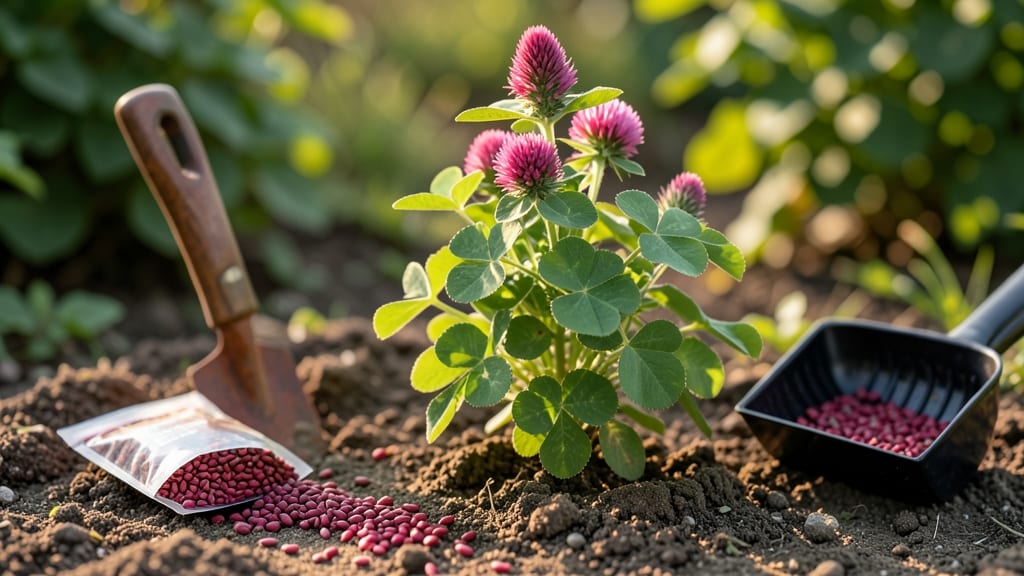
Planting Crimson Clover 🌸 in Texas isn’t just about timing—it’s about unlocking healthier soil and fewer weeds for your garden. With Texas’ shifting seasons, getting the fall or spring window right could mean the difference between a lush cover crop and a failed experiment.
Most Texas gardeners swear by fall planting between September and November, when soil temperatures drop below 80°F—giving seeds the best chance to establish before winter. But spring planting in February or March can also work in milder regions like South Texas (zones 9b-10b), where frost is rare.
Why does this matter? Crimson clover isn’t just pretty—it fixes nitrogen, attracts pollinators, and suppresses weeds. Whether you’re in North Texas (7b-8b) or the Gulf Coast (9b-10b), mastering the timing ensures your cover crop thrives year after year.
Let’s break down the exact planting windows for your zone, plus pro tips to avoid common mistakes. Ready to transform your soil? Let’s get started.
Texas fall planting windows for crimson clover: optimal months and climate zones
Timing your crimson clover planting in Texas is all about beating the heat and avoiding early frosts. The fall planting window—typically September through November—gives seeds time to establish before winter dormancy.
In North Texas (USDA zones 7b-8b), aim for late August to early October to avoid summer heat stress while allowing roots to develop before the first frost.
Central Texas (8a-9a) gardeners have a slightly longer window, with mid-September to mid-November being ideal. This region’s milder winters extend the safe planting period.
Meanwhile, in South Texas (9b-10b), you can push planting into late October or even November, as frost is rare, but soil temperatures must drop below 80°F for optimal germination.
Soil temperature is your biggest indicator. Crimson clover thrives when soil temps are between 60°F and 75°F. Use a soil thermometer to confirm—planting too early in hot soil can cause seeds to dry out, while waiting too long risks frost damage before establishment.
In North Texas, soil temps hit the sweet spot by mid-September, while Central and South Texas can wait until late September or October.
Here’s how Texas’ three regions break down for fall planting success:
| Region | USDA Zone | Optimal Planting Window | Soil Temp Threshold | First Frost Risk |
|---|---|---|---|---|
| North Texas | 7b-8b | Late August–Early October | 60°F–75°F | December 1 (early) |
| Central Texas | 8a-9a | Mid-September–Mid-November | 60°F–75°F | November 15 (late) |
| South Texas | 9b-10b | Late September–November | 60°F–75°F | None (year-round) |
For North Texas, prioritize planting by September 15 to ensure roots establish before the first frost. In Central Texas, you have more flexibility—plant through mid-November in most years.
South Texas gardeners can even plant into December if soil temps remain ideal, though growth will slow as days shorten. Always check your local frost date averages and adjust accordingly.
Pro tip: If you miss the fall window, don’t despair—early spring planting (February–March) is your backup. However, spring planting comes with risks, like heat stress and drought competition, which we’ll cover in the next section. For now, focus on fall for the best establishment and soil improvement.
One common mistake is planting too late in fall, hoping for a quick spring harvest. Crimson clover needs 60–90 days to mature, so late fall plantings may not bloom before summer heat sets in.
Plan ahead: If you’re aiming for a spring bloom, plant by October 15 in North Texas or November 1 in Central Texas.
Another key factor is soil preparation. Crimson clover prefers well-draining soil with a pH of 6.0–7.0. Test your soil before planting—amend with compost or lime if needed.
In heavy clay soils (common in East Texas), mix in sand or organic matter to improve drainage. Proper prep ensures 90%+ germination rates, even in Texas’ variable conditions.
Finally, consider cover crop mixes. Crimson clover pairs well with ryegrass or hairy vetch for year-round soil protection. In North Texas, plant clover with winter rye for fall/winter cover, then transition to clover alone in spring. This two-phase approach maximizes soil health and minimizes weed competition.
Ready to plant? Grab your seeds, soil thermometer, and a calendar—Texas’ fall windows move fast, and timing is everything for crimson clover success! 🌸
Texas fall planting windows for crimson clover: optimal months and climate zones
Texas gardeners know timing is everything, especially when planting crimson clover 🌸. In most of the state, the ideal window stretches from late September through November, when soil temperatures dip below 80°F but before hard frosts arrive.
This gives seeds 6–8 weeks to establish strong roots before winter slows growth.
However, Texas isn’t one-size-fits-all. North Texas (USDA zones 7b-8b) has earlier frosts, while South Texas (9b-10b) can plant later. Let’s break down the exact months and soil conditions for each region to maximize your cover crop’s success.
Pro tip: Use a soil thermometer to confirm temperatures—crimson clover seeds struggle to germinate above 85°F. In North Texas, aim for planting by October 15 to avoid early frosts, while South Texas gardeners can push it to December for winter growth.
Why does this matter? Fall-planted clover thrives in cool-season growth, fixing nitrogen and suppressing weeds before winter. Skip this window, and you risk poor germination or heat stress—both kill cover crops before they deliver benefits.
For North Texas gardeners, consider a late-September planting if your soil cools quickly. In Central Texas, October is your sweet spot, while South Texas can even plant into December for winter blooms. Always check your local frost dates—they’re your planting deadline.
Next up: We’ll tackle spring planting risks and when it might work in Texas—spoiler alert, it’s tricky! 🌱