
Plants
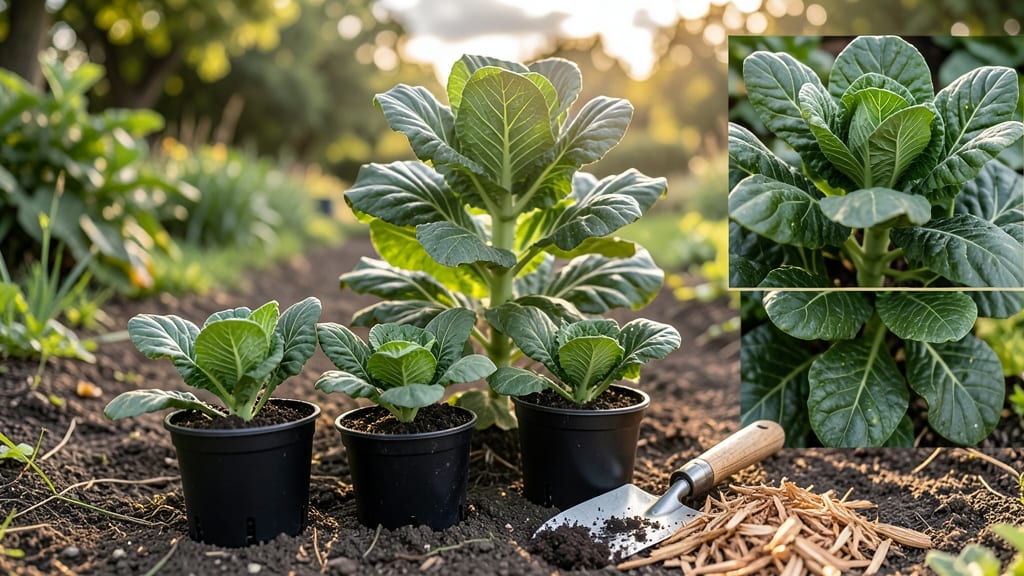
Planting collards in Florida isn’t just about throwing seeds into the dirt—it’s about working with the state’s unique heat and humidity to get the most flavorful harvests. Unlike cooler climates, Florida’s frost-free winters and scorching summers mean you can grow these leafy greens year-round, but timing is everything to avoid bolting or stunted growth.
Most gardeners assume fall is the only window for collards, but Florida’s 9a-11 zones actually let you plant them in three key seasons: fall for mild winters, spring for heat-tolerant varieties, and even summer with the right shade and moisture.
I’ll break down the exact months to plant, which varieties thrive in Florida’s heat, and how to keep your 🥬 collards lush even when temperatures climb.
Whether you’re a first-time gardener or a seasoned grower, getting the timing right means fewer pests, bigger leaves, and a steady supply of homegrown greens. Let’s dive into the strategies that actually work in Florida’s climate—no guesswork, just proven results.
From soil prep to post-planting care, I’ll cover everything you need to know to turn your Florida garden into a collard powerhouse. Ready to grow greens that outperform the grocery store? Let’s get started.
Best planting times for collards in Florida’s climate zones
Florida’s year-round growing potential makes collards a rewarding crop—but timing is everything to avoid heat stress or poor yields. Unlike northern climates, Florida’s USDA Zones 8-11 allow for three distinct planting windows, each with unique advantages. The key? Matching your local microclimate to the right variety and season.
In North Florida (Zones 8a-9a), where light frosts occasionally touch 32°F, focus on fall and winter plantings to avoid bolting. Meanwhile, South Florida (Zones 10a-11) gardeners can plant year-round, though summer heat requires extra care.
The ideal window for most Florida gardeners is August through March, when temperatures stay mild and humidity is manageable.
🌱 Florida Collard Planting Guide by Zone
| Zone | Best Planting Window | Heat Tolerance | Key Consideration |
|---|---|---|---|
| 8a-9a | August–March | Moderate (✅ 85°F max) | Frost risk in winter; use row covers |
| 10a-11 | Year-round (peak: Sept–Feb) | High (✅ 95°F+ with shade) | Bolting risk in summer; succession plant |
| All Zones | April–May (spring escape) | Low (❌ Avoid 90°F+) | Use shade cloth; harvest quickly |
⚠️ Pro Tip: North Florida gardeners should plant 6-8 weeks before first frost (typically by October 15) for a winter harvest.
For fall plantings, aim to sow seeds or transplant 60-75 days before your area’s first frost. In North Florida, this means late August to early October, while South Florida gardeners can extend this to November.
The goal is to establish roots before cool evenings trigger bolting, which turns bitter leaves into seed stalks prematurely.
Spring plantings—often called “spring escapes”—are riskier in Florida but can work in cooler microclimates like the Panhandle or higher elevations. Plant in March and harvest by May before temperatures climb past 85°F. Use 30-50% shade cloth to protect young plants from intense afternoon sun.
Summer plantings are only viable in South Florida (Zones 10a-11), where humidity and heat are constant. Choose heat-tolerant varieties like ‘Georgia Southern’ or ‘Top Bunch’, and plant in partial shade. Water deeply every 2-3 days to prevent stress, and harvest young leaves to avoid bitterness.
Succession planting is your secret weapon for continuous harvests. In fall, sow new seeds every 2-3 weeks until November to stagger maturity. In spring, repeat the process in March for a quick turnaround. This method ensures you always have tender, young leaves ready for the table.
Soil temperature plays a critical role in germination. Collard seeds need soil at least 60°F to sprout reliably. In North Florida, wait until soil warms in late summer (after July 15) for fall plantings.
Use a soil thermometer to check—if it’s below 60°F, delay planting or use black plastic mulch to warm the soil faster.
Mulching is a game-changer for Florida collards. Apply 2-3 inches of organic mulch (straw or shredded leaves) to retain moisture, suppress weeds, and regulate soil temperature. In summer, mulch also cools roots and prevents bolting from heat stress. Just avoid piling mulch against stems to prevent rot.
Finally, don’t overlook container growing for urban Florida gardeners. Collards thrive in 5-gallon pots or larger, making them perfect for balconies or patios. Plant in well-draining potting mix and water daily in summer—containers dry out 3x faster than in-ground beds.
This method also lets you move plants to shade during heatwaves.
With these zone-specific timelines and seasonal adjustments, you’ll avoid the top 3 mistakes Florida gardeners make: planting too early (risking frost), ignoring shade in summer, or skipping succession plantings. Next, we’ll dive into the best heat-tolerant collard varieties that thrive in Florida’s unique climate.
Best planting times for collards in Florida’s climate zones
Florida’s USDA Zones 8-11 create unique challenges—and opportunities—for growing collards. Unlike northern climates, you can plant year-round, but timing matters to avoid heat stress or poor yields. The key is leveraging Florida’s mild winters and humid summers while working around occasional light frosts in North Florida.
For Zone 9a-11 (South/Central Florida), where frosts are rare, focus on fall and winter plantings for peak harvests. In Zone 8 (North Florida), where frosts can occur December-January, aim for late summer to early fall plantings to establish roots before cooler weather.
Summer plantings are possible but require extra shade and moisture.
| Zone | Best Planting Window | Key Considerations | Harvest Window |
|---|---|---|---|
| 8 (North FL) | Late August - October | Avoid frost (Dec-Jan); use row covers | October - March |
| 9a (Central FL) | September - November | Light frosts possible; protect young plants | November - April |
| 9b-11 (South FL) | Year-round (peak: Aug-Oct, Jan-Feb) | Summer: 30-50% shade cloth; deep watering | Continuous harvests (60-75 days) |
In South Florida (Zones 10-11), you can plant collards year-round, but summer plantings (June-July) require shade cloth and consistent moisture to prevent bolting. For North Florida (Zone 8), focus on fall plantings (September-October) to establish roots before potential frosts.
Use row covers or mulch to protect young plants in cooler months.
For succession planting, sow new seeds every 2-3 weeks from August through November in most zones. This ensures a continuous harvest through spring. In South Florida, you can even plant lightly in summer if you provide afternoon shade and daily watering.
Pro tip: Monitor soil temperatures—collards thrive when soil stays between 60-75°F. In summer, soil can exceed 90°F, stressing young plants. Use mulch or drip irrigation to keep roots cool. For container growing, plant in 5-gallon pots with well-draining mix and move to shade during peak heat.
Remember, Florida’s humidity is your friend—collards love moisture! Just avoid waterlogging, which causes fungal diseases like downy mildew. Aim for 1-2 inches of water weekly, and always water at soil level (not overhead) to keep leaves dry. With the right timing, you’ll enjoy tender collards year-round! 🌱