
Plants
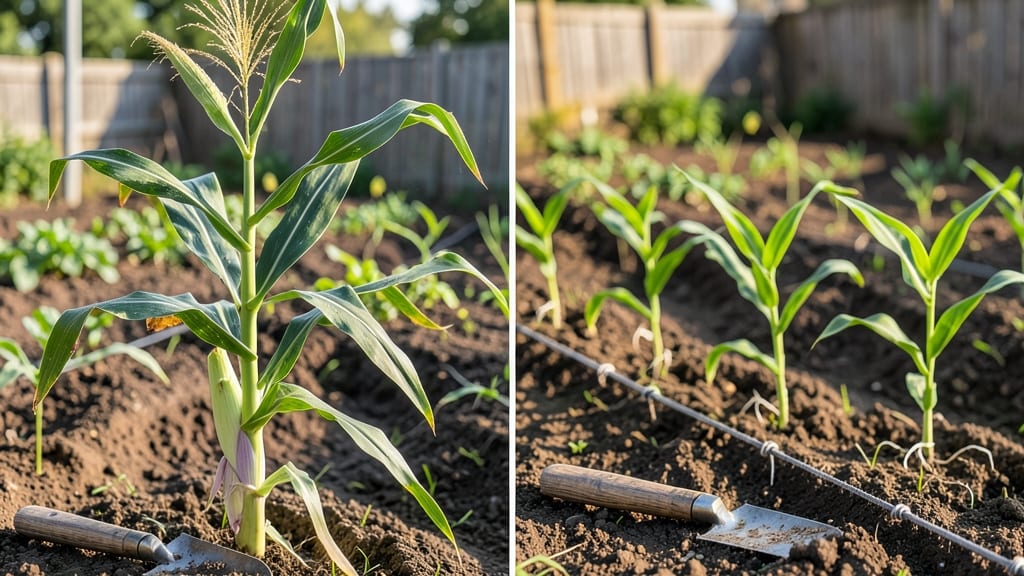
Timing your 🌽 corn planting in Montana isn’t just about the calendar—it’s about outsmarting the state’s fickle frost dates and short growing season. One late freeze can turn your carefully nurtured seedlings into sad, stunted plants, or worse, a total loss.
The difference between a bumper crop and a bust often comes down to knowing exactly when to drop those seeds into the warm soil.
Montana’s USDA zones 4-7 create a tricky puzzle, with frost dates that can vary by weeks between the plains and high-altitude areas. You’ll need more than just a guess—you’ll need data on soil temperatures, historical frost patterns, and the right corn varieties that can handle Montana’s 120-day growing window.
Let’s break down the science behind the perfect planting window so you can maximize your harvest before the first frost sneaks in.
Whether you’re a first-time gardener or a seasoned farmer, getting this right means choosing the best mid-May to early June window and preparing your soil properly.
We’ll cover everything from testing soil warmth to selecting varieties that thrive in Montana’s climate—so you can go from uncertain to confident before your first seed hits the dirt.
Ready to turn your backyard into a cornfield? I’ll walk you through the exact steps to time your planting, avoid common mistakes, and even extend your growing season with smart tricks. Your future late August harvest starts with the right move now—let’s get planting!
Montana corn planting deadlines by hardiness Zone (USDA 3-6)
Montana’s diverse climate zones—from USDA Zone 3 in the mountains to Zone 6 in the plains—create wildly different last-frost dates. In Zone 3, frost can linger until June 10, while Zone 6 areas often see their last frost by May 15.
This 1-month difference means your planting window shifts dramatically depending on where you garden.
To avoid frost damage or stunted growth, always wait until the soil temperature reaches 50°F (10°C)—corn seeds won’t germinate below this threshold. Use a soil thermometer to check, especially in high-altitude areas where cold soils delay germination.
Montana State University tracks historical frost data by region. For example, Bozeman (Zone 4) typically has a last frost around May 25, while Great Falls (Zone 5) averages May 10. Cross-reference these dates with your local microclimate—valleys and low-lying areas frost later than hilltops.
Montana Corn Planting Deadlines by USDA Zone
| USDA Zone | Last Frost Date | Ideal Planting Window | Soil Temp Requirement | Frost-Free Days |
|---|---|---|---|---|
| Zone 3 (Mountains) | June 10 | Late May to early June | 50°F+ (10°C+) | 90-100 days |
| Zone 4 (Bozeman, Missoula) | May 25 | Mid-May to late May | 50°F+ (10°C+) | 100-110 days |
| Zone 5 (Great Falls, Billings) | May 10 | Early May to mid-May | 50°F+ (10°C+) | 110-120 days |
| Zone 6 (Plains, near Wyoming border) | April 25 | Late April to early May | 50°F+ (10°C+) | 120+ days |
*Frost-free days calculated from last frost to first frost. Adjust for early/late years.
If you’re unsure about your last frost date, check Montana’s Almanac or local Cooperative Extension Service for updates. For example, 2023 saw late frosts in Zone 4 until June 5, pushing planting dates back by 10 days.
Always have a backup plan like row covers ready for unexpected cold snaps.
For high-altitude gardens (e.g., 1,500+ feet elevation), consider starter plants instead of seeds—they germinate faster and give you a 2-week head start. Seedlings can handle cooler soils better than seeds, reducing the risk of rot or poor germination.
Pro tip: Use black plastic mulch to warm soil 5-10°F faster than bare ground. Lay it down 2 weeks before planting to create a microclimate that speeds up germination. This is especially critical in Zone 3 and 4, where cold soils delay growth.
Remember, corn needs 90-120 frost-free days to mature. If your zone has fewer than 90 days, opt for short-season varieties like ‘Early Sunglow’ (75 days) or ‘Golden Bantam’ (80 days). Planting too late in Zone 3 often results in immature ears before frost.
To calculate your personal frost-free window, subtract your last frost date from your first frost date. For Zone 5, that’s roughly 120 days—perfect for standard varieties. In Zone 3
Best corn varieties for Montana’s climate & when to plant them
Choosing the right corn varieties for Montana can mean the difference between a bountiful harvest and a disappointing one. The state’s short 120-day growing season demands varieties that mature quickly while still producing sweet, flavorful ears.
I’ve narrowed down the best options based on days to maturity, cold tolerance, and performance in Montana’s diverse climate zones.
For USDA zones 4-5 (like Missoula or Bozeman), prioritize early-maturing varieties that can handle cooler soils. In zones 6-7 (like Great Falls or Billings), you’ve got a bit more flexibility to try medium-maturity varieties that still finish before frost. Let’s dive into the top performers and their ideal planting windows.
🌽 Variety Comparison for Montana Corn Growers
| Variety | Days to Maturity | Best Planting Window | Cold Tolerance | Notes |
|---|---|---|---|---|
| Pioneer Brand 38N43 | 85-90 days | Late May (zones 4-5) / Early May (zones 6-7) | Moderate | Sweet, reliable; great for canning |
| Golden Bantam | 70-75 days | Mid-May (all zones) | High | Dwarf variety; perfect for short seasons |
| Ambrosia | 90-95 days | Early May (zones 6-7) / Late May (zones 4-5) | Moderate | Super sweet; needs consistent moisture |
| Peaches and Cream | 75-80 days | Late May (all zones) | Good | Bicolor kernels; early harvest window |
| Country Gentleman | 95-100 days | Early May (zones 6-7 only) | Low | Heirloom; best for long seasons |
When selecting your corn variety, always check the days to maturity against your local frost-free window. For example, if your first frost typically hits September 15, a 90-day variety planted in early May will just make it—but planting it later risks frost damage.
I recommend Golden Bantam for beginners or Pioneer Brand 38N43 for reliable yields in most of Montana.
For high-altitude areas (like near Glacier National Park), stick to short-season varieties like Peaches and Cream and plant as early as soil conditions allow. In warmer valleys, you might squeeze in a second planting of early varieties for a staggered harvest.
Just remember: soil temperature matters more than air temperature—wait until it’s consistently above 50°F before planting.
Pro tip: If you’re unsure about your local frost dates, check Montana State University’s frost probability maps or use a soil thermometer to confirm warmth before planting. Your corn’s success starts with the right variety and timing—don’t leave it to chance! 🌾