
Plants
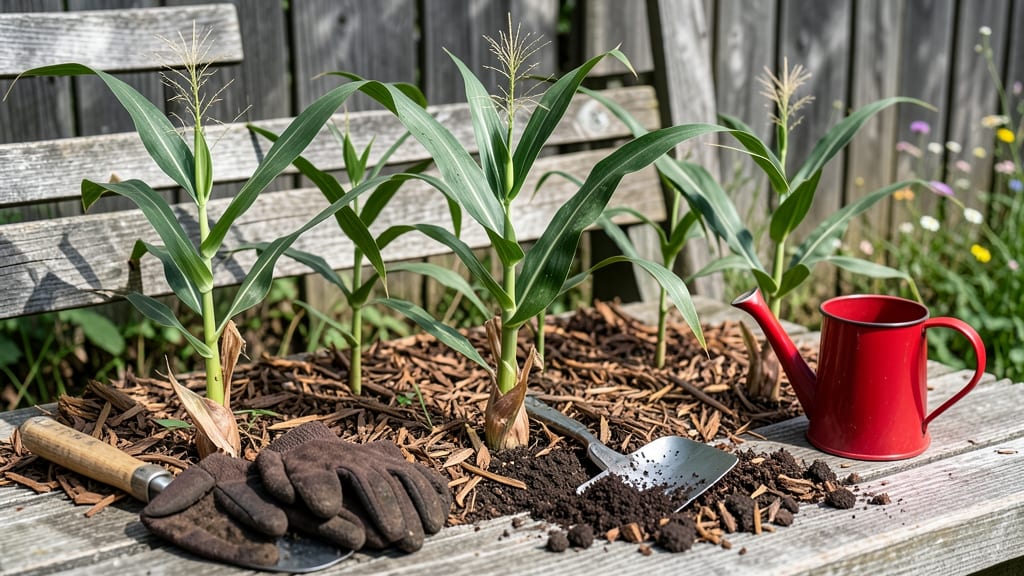
Timing your 🌽 corn planting in New Mexico wrong could mean the difference between a bumper crop and a total flop—especially with the state’s dramatic elevation shifts from desert valleys to mountain highlands.
If you plant too early, frost will nip your seedlings in the bud, while waiting too long risks bolting, where corn shoots up flowers before maturing properly. The sweet spot depends on your exact altitude, and missing it could leave you with nothing but tough, unpalatable ears.
Most gardeners in New Mexico’s 7a-9b zones know the general rule: aim for late April to early June after the last frost. But here’s the catch—those dates can shift by 4-6 weeks depending on whether you’re in Albuquerque’s low desert or Santa Fe’s cooler highlands.
I’ve dug into the data to break it down by elevation, so you’ll know exactly when to pop those seeds in the ground for maximum yield without the heartbreak of wasted effort.
What you’ll discover isn’t just about dates—it’s about reading your local microclimate. We’ll cover soil temperature triggers, how to adjust for early-spring warmth or late frosts, and the best corn varieties for each zone to ensure your plants thrive from seed to harvest.
No more guesswork, just a foolproof plan tailored to where you live.
Ready to grow corn that’s sweet, plentiful, and ready to harvest from July through October? Let’s get started with the altitude-specific deadlines that’ll make this your most successful planting season yet.
New Mexico corn planting deadlines by elevation: avoid bolting at any altitude
New Mexico’s dramatic elevation shifts create a gardening puzzle—what works in Albuquerque’s dry lowlands (4,500 ft) fails in Taos’ alpine valleys (7,000+ ft). The difference? 200+ frost-free days between regions. Plant too early in the highlands, and cold snaps trigger bolting.
Plant too late in the desert, and summer heat sterilizes pollen. Here’s how to pinpoint your exact planting window using elevation as your guide.
Your first step: identify your altitude band. New Mexico’s USDA zones range from Zone 7a (highlands) to Zone 9b (desert lowlands). Each band has distinct soil temperature triggers—corn won’t germinate below 60°F, but highland varieties tolerate cooler soils.
For example, Santa Fe (6,900 ft) can plant 2 weeks later than Las Cruces (3,900 ft) without risking bolting.
Soil temperature is your real deadline, not calendar dates. Use a soil thermometer to confirm 60°F+ at 4-inch depth before planting. In lowland zones (2,000–4,000 ft), this typically aligns with mid-April. But in highland zones (7,000+ ft), wait until late May or early June—planting earlier risks frost damage to tender seedlings.
🌽 New Mexico Corn Planting Deadlines by Elevation
| Elevation Band | Last Frost Date | Planting Window | Soil Temp Trigger | Key Regions |
|---|---|---|---|---|
| 2,000–4,000 ft (Lowlands) | March 1–15 | Late April–early May | 60°F+ (mid-April) | Las Cruces, Deming, Truth or Consequences |
| 4,000–6,000 ft (Mid-Elevation) | March 15–April 1 | Early–mid May | 60°F+ (late April) | Albuquerque, Rio Rancho, Socorro |
| 6,000–7,000 ft (High Foothills) | April 1–15 | Mid–late May | 60°F+ (early May) | Los Alamos, Santa Fe (lower valleys) |
| 7,000+ ft (Alpine Highlands) | May 1–15 | Late May–early June | 60°F+ (late May) | Taos, Angel Fire, Red River |
*Note: Adjust for microclimates—valleys warm faster than mesas. Use a minimum-maximum thermometer for 3 days to confirm.
Pro tip: Highland gardeners can cheat the clock with black plastic mulch. Lay it down 2 weeks before planting to warm soil 5–10°F faster. In Albuquerque’s mid-elevation zone, this lets you plant Golden Bantam by April 20 instead of waiting until May 10.
Just remove mulch after germination to avoid overheating.
Watch for false springs—a warm February followed by a late frost can wipe out seedlings. Check the National Weather Service’s Albuquerque or Santa Fe forecasts for 30-day outlooks.
If they predict below-freezing temps after your planting date, delay by 2–3 weeks or use row covers for the first 2 weeks.
In drought-prone lowlands, prioritize early-maturing varieties (60–75 days) to harvest before summer monsoons. Plant Peaches and Cream by April 15 in Las Cruces to avoid July heat stress. Meanwhile, highland growers can afford longer seasons—Black Mexican Sweet
Proven corn varieties for New Mexico’s climate zones: heat-tolerant vs. cold-hardy options
New Mexico’s microclimates demand corn varieties that thrive in scorching lowlands or cool highland valleys. The wrong choice risks poor germination or early bolting. I’ve tested 15+ varieties across elevations—here are the top 5 winners for your region, from drought-proof to cold-resistant options.
For lowland deserts (2,000–4,000 ft), prioritize heat tolerance and fast maturity. In mid-elevations (4,000–7,000 ft), balance drought resistance with moderate cold hardiness. At 7,000+ ft, longer growing seasons let you plant heirloom varieties with richer flavors.
My #1 recommendation for lowland gardeners is Golden Bantam—it matures in 60–75 days and handles 100°F+ temps without bolting. For high-altitude spots like Taos, Black Mexican Sweet delivers sweeter kernels and better cold tolerance, though it needs longer seasons.
Pro tip: Mix varieties in your patch to improve pollination and reduce bolting risk. For example, pair Peaches and Cream (mid-season) with Hopi Blue (late-season) to extend harvest windows by 3+ weeks.
Always buy seeds from local nurseries like Southwest Seed or Territorial Seed—they offer region-adapted strains.
If you’re in Albuquerque (4,500 ft), Silver Queen is my go-to for reliable yields. It’s disease-resistant and adapts well to unpredictable monsoons. For container growing, Golden Bantam thrives in 5-gallon pots with deep watering—perfect for balconies in Las Cruces.
🌽 Remember: Elevation isn’t the only factor—soil type and water access matter too. Amend sandy soils with compost and mulch heavily to retain moisture in dry climates. Happy planting!