
Planting
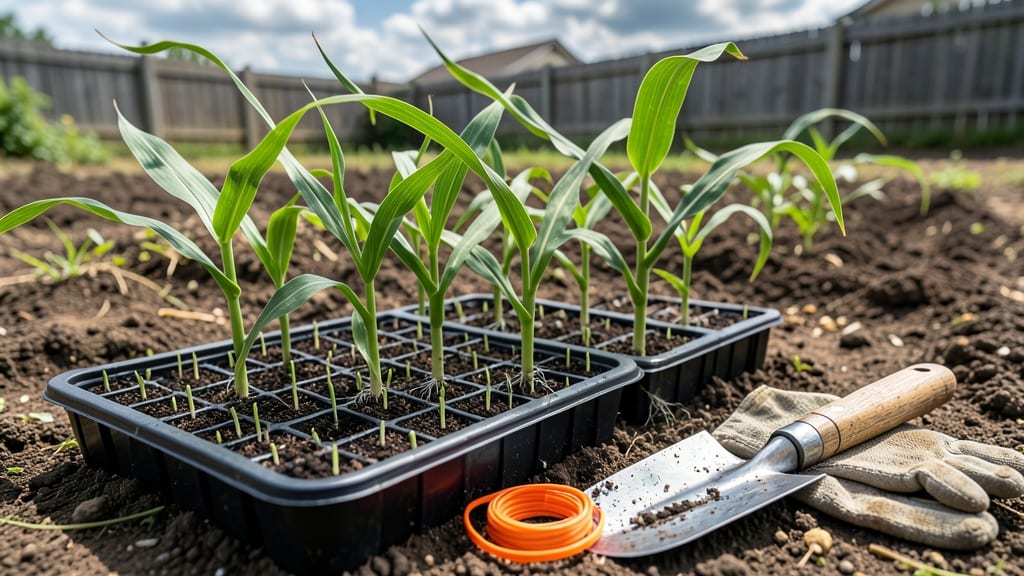
When do farmers plant corn in Ohio? isn’t just about checking the calendar—it’s about beating frost, warming the soil, and giving those stalks enough time to mature before winter’s first chill. Farmers in USDA Zone 6a know that planting too early risks frost damage, while waiting too long cuts harvest potential. The sweet spot? Mid-April to early May, when soil temperatures hit that critical 50°F+ threshold.
But here’s the catch: Ohio’s unpredictable springs mean you can’t just follow a one-size-fits-all rule. A late frost in April or a sudden heatwave in May can throw off even the best-laid plans.
That’s why understanding your specific zone’s frost-free deadlines—and how to adjust—is the key to a successful crop. Whether you’re a small-scale gardener or managing acres, these insights will help you fine-tune your schedule.
In this guide, I’ll break down the exact planting windows for Ohio’s zones, soil temperature tricks to speed up germination, and how to pick corn varieties that thrive in 165 frost-free days.
You’ll also discover how to handle those “what do I do now?” moments when Mother Nature throws a curveball. Let’s get those seeds in the ground the right way.
Ready to avoid the common mistakes that waste time and yield? You’ll leave here with a clear plan—no guesswork, just proven strategies for Ohio’s climate. Let’s dive in.
Ohio corn planting dates by USDA hardiness zones (soil temp & frost guidelines)
Ohio's diverse climate means corn planting dates vary dramatically across its 6 USDA hardiness zones, from 5a in northern regions to 6b in the southwest. The golden rule? Wait until soil temperatures consistently reach 50°F+ at 4-inch depth—this ensures healthy germination and avoids frost damage to young seedlings.
Most Ohio farmers target mid-April to early May for planting, but exact timing depends on your zone and last frost dates. Northern Ohio (zones 5a-5b) typically plants 2-3 weeks later than southern Ohio (zones 6a-6b) to avoid late spring frosts that can devastate tender corn seedlings.
Here's how Ohio's USDA zones break down for corn planting, including critical soil temperature thresholds and frost-free deadlines:
| USDA Zone | Last Frost Date | Optimal Planting Window | Soil Temp Threshold | Frost-Free Days |
|---|---|---|---|---|
| 5a (Northern OH) | May 1-15 | Late April - Early May | 50°F+ (4" depth) | 150-160 days |
| 5b (Northeast OH) | April 25 - May 5 | Mid-April - Late April | 50°F+ (4" depth) | 155-165 days |
| 6a (Central OH) | April 15-25 | Early April - Mid-April | 50°F+ (4" depth) | 160-170 days |
| 6b (Southwest OH) | April 1-10 | Late March - Early April | 50°F+ (4" depth) | 170-180 days |
Southern Ohio farmers often push planting dates earlier, sometimes as early as late March, thanks to longer frost-free seasons. However, rushing planting risks seed rot in cold, wet soils—a common issue in Ohio's unpredictable springs.
For early planting, use black plastic mulch or row covers to warm soil faster. In northern zones, consider starter fertilizers to jumpstart growth in cooler conditions. Always test soil pH (ideal: 6.0-6.8) before planting to ensure optimal nutrient uptake.
Pro tip: Plant succession crops every 2 weeks in May for continuous harvests. This extends your growing season and maximizes yield potential in Ohio's 150-180 frost-free days.
Remember, corn needs 90-120 days to mature—plant too late, and you'll miss the harvest window before first frost. Use local Almanac frost dates as your guide, but always verify with a soil thermometer to confirm readiness.
🌽
How to adjust corn planting dates for Ohio’s unpredictable spring weather
Ohio’s spring weather can be as unpredictable as a whirlwind, with late frosts lingering into May or sudden heat waves arriving in April. For corn farmers, this means flexibility is key—your planting schedule must adapt to soil conditions, not just calendar dates. I’ve learned the hard way that rigid planting plans often backfire when Mother Nature throws curveballs like 50°F soil temperatures in late April or unexpected frost in early May. The secret to success lies in monitoring soil temperature (not air temperature) and having backup strategies for delayed planting. Most corn varieties need soil to stay above 50°F consistently for at least a week before germination begins. If your soil stays cold longer than expected, don’t panic—there are proven ways to warm the soil faster and still meet your harvest goals.- 🌡️ Use a soil thermometer (not air temp)—corn roots need 50-60°F soil for 7+ days before planting.
- 🌱 Plant early-maturing hybrids (70-90 days) in Zone 6a if frost risks linger—sacrifice yield for safety.
- ☀️ Warm soil faster with black plastic mulch (raises temp by 5-10°F) or clear plastic tunnels for early starts.
- 🌿 Try cover crops like rye or clover before planting—they insulate soil and improve warmth retention.
- 📅 Stagger planting in 7-10 day intervals to hedge against frost—some rows may survive late frosts.
Plant a buffer row of winter rye around corn fields—it acts as a windbreak and can delay frost by 3-5 days in critical periods. Finally, always have a backup planting plan.
If spring stretches into June, switch to short-season varieties (like Pioneer 34B38) or consider succession planting with faster-maturing greens. The goal is to maximize your frost-free window—in Ohio, that’s roughly 165 days, but weather can shrink it faster than you’d think.
Remember: No two Ohio springs are alike. The best farmers I know treat planting dates as guidelines, not rules. Stay flexible, monitor your soil, and be ready to adapt—your harvest depends on it. 🌽