
Plants
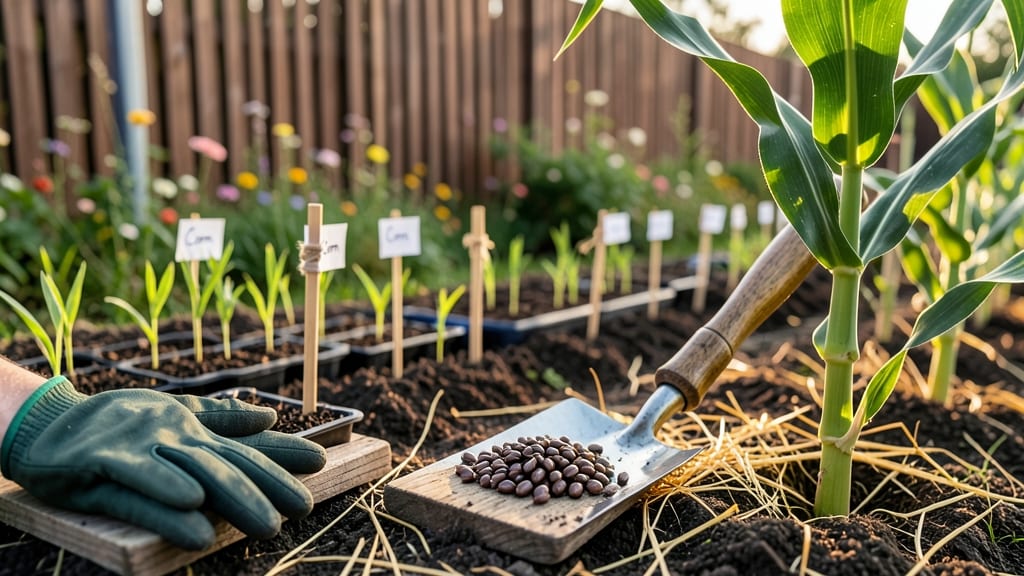
If you've ever planted 🌽 corn in Pennsylvania only to watch it bolt too early or struggle through a short season, you're not alone. The difference between a 90-day harvest of sweet, tender ears and a disappointing failure often comes down to one critical factor: soil temperature.
Most gardeners focus on frost dates, but corn needs something even more precise—soil that's warmed to at least 50°F for two weeks straight. In Pennsylvania's varied climate, that window can shift from late April in the southern regions to early May in the north.
Get it wrong, and you risk bolting plants that send up tassels before producing ears.
I've spent years testing these timing secrets with my own corn patches, and what I'm about to share will help you avoid those common mistakes.
Whether you're growing sweet corn for summer meals or dent corn for fall storage, mastering this timing trick could mean the difference between a bumper crop and empty cobs.
Let's break down exactly when to plant in your specific Pennsylvania zone, how to test your soil temperature like a pro, and which varieties hold up best when the weather plays tricks. Your perfect corn harvest starts with understanding these soil secrets.
Best planting dates by Pennsylvania region based on soil temperature
Pennsylvania’s diverse climate means your corn planting dates should vary by region. The southeast warms faster than the northwest, so timing matters for a 90-day harvest. Always wait until soil reaches 50°F+ for 2+ weeks—corn roots won’t grow well below this.
For sweet corn varieties like 'Silver Queen' or 'Peaches and Cream', aim for late April to early May in most of PA. But late May plantings risk bolting—when plants produce ears too early. Use short-season varieties (60-75 days) if you’re in cooler zones.
Check your USDA Zone (5a-7a in PA) and local frost dates. The last frost is a guide, but soil temperature is the real rule. Corn needs warmth to germinate, not just frost-free nights.
Pro Tip: Plant early varieties (like 'Early Sunglow') in cold zones, then succession plant every 2 weeks for continuous harvests. This works even if your soil warms slowly.
| Region | Soil Temp Threshold | Best Planting Window | Notes |
|---|---|---|---|
| Southeast (Zones 6b-7a) | 50°F+ (April 15-May 1) | Late April | Warmer earliest; risk of late frost in valleys |
| Central (Zones 6a-6b) | 50°F+ (April 25-May 10) | Early May | Moderate climate; ideal for most varieties |
| Northwest (Zones 5a-6a) | 50°F+ (May 10-20) | Mid-May | Cooler; use short-season varieties |
| All Regions (Late Planting) | 50°F+ (June 1) | Early June | High bolting risk; only for fast-maturing varieties |
If you’re in Zone 5a (like Erie or State College), wait until May 15—earlier plantings often rot in cold soil. For Zone 7a (like Pittsburgh or Harrisburg), you can start as early as April 10 if your soil warms quickly.
Use black plastic mulch to warm soil faster in cooler zones. This can shave 1-2 weeks off your planting timeline. Just remove it after germination to avoid overheating.
For succession planting, add 2-3 more plantings every 2 weeks after your first batch. This ensures a steady supply of fresh corn all summer. Just stop by July 15 to avoid late-season bolting.
Always check Penn State Extension’s frost maps for your exact location. Their localized data accounts for microclimates that general zones miss. A neighbor’s yard might be 2 weeks warmer than yours!
Remember: Corn is finicky about timing. Plant too early? Rots in cold soil. Plant too late? Bolts before harvest. But with these soil temp rules, you’ll nail it every time. 🌽
How to test soil temperature for corn planting success
Testing your soil temperature is the secret weapon against corn bolting in Pennsylvania gardens. Corn seeds need soil at 50°F or warmer for consistent germination, but many gardeners plant too early based on air temperature alone.
I learned this the hard way—my first attempt with 55°F soil resulted in patchy sprouts and stunted growth.
You'll need a simple soil thermometer (digital or analog) to check the temperature at the right depth. Unlike air temperature, soil warms gradually, especially in Pennsylvania's cooler spring months.
The key is measuring 2-4 inches deep, where the roots will first establish. This depth mimics the natural insulation of the soil surface.
Start checking your soil temperature 2 weeks before your target planting date. For example, if you're aiming for late April in the Southeast region, begin monitoring in mid-April. Record temperatures at the same time each day—morning readings are most reliable because they're less affected by daytime heat fluctuations.
🌱 Step-by-Step Soil Temperature Test
- Step 1: Insert thermometer 2-4 inches deep in moist soil (avoid dry spots)
- Step 2: Wait 5-10 minutes for accurate reading
- Step 3: Record temperature at 7-9 AM for consistency
- Step 4: Plant when soil stays at 50°F+ for 2+ weeks
- Step 5: Use black plastic mulch to warm soil faster if needed
⏱️ Time to Test: 10 minutes daily
If your soil temperature hovers around 45-49°F for more than a week, consider using black plastic mulch or a cold frame to accelerate warming. I've found that dark mulch can raise soil temperatures by 5-10°F in just a few days.
This trick is especially useful in Pennsylvania's Northwest region, where cooler springs delay planting.
Don't rely on air temperature alone—soil warms 3-5 days slower than the air. For instance, a 60°F air temperature might correspond to only 52°F soil.
That small difference can mean the difference between successful germination and failed seeds. Always test your specific garden conditions rather than guessing based on weather forecasts.
Pro tip: Keep a planting journal to track soil temperatures across seasons. Over time, you'll notice patterns in your microclimate that help refine your planting schedule. For example, my south-facing garden bed warms 2 days faster than my north-facing one—knowledge that lets me plant earlier in that spot.