
Plants
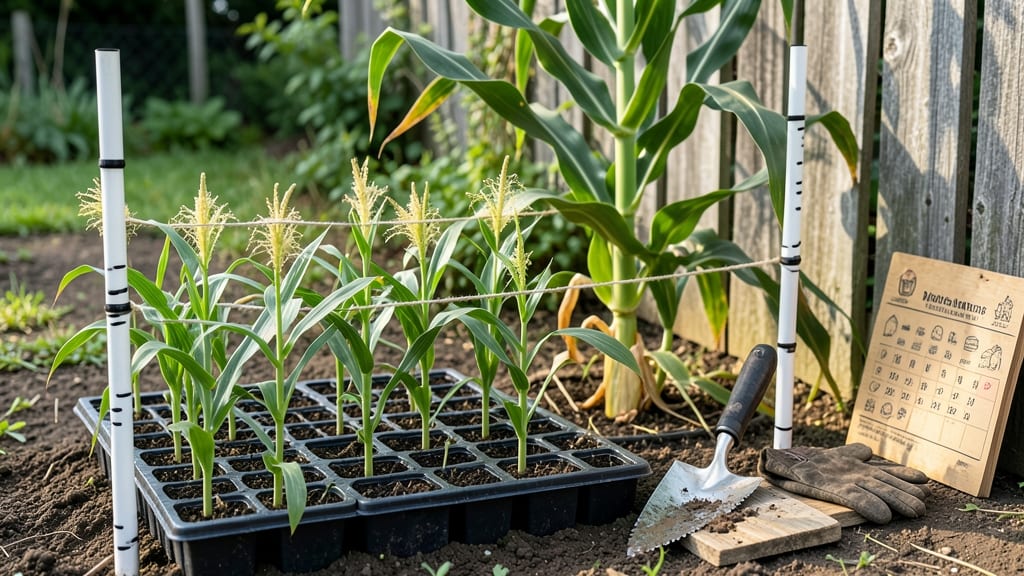
Timing your 🌽 corn planting in South Carolina can make or break your harvest—get it wrong, and you might end up with stunted plants or wasted seeds. With frost-free dates shifting across counties and sweet corn needing precise conditions, knowing the exact window is key to success.
Most gardeners in zones 7b-8a aim to plant between mid-April and early June, but the Upstate and Coastal regions have different deadlines. The last frost typically hits around March 15, but waiting until soil warms to 60°F is the real game-changer for healthy growth.
Whether you're growing sweet corn for summer meals or field corn for livestock, the right timing ensures you avoid frost damage and summer heat stress. I’ll break down the best planting windows by county and share tips to extend your harvest through October.
Ready to grow corn that thrives? Let’s dive into the frost-free deadlines and variety-specific schedules that work best in South Carolina’s humid climate.
South Carolina corn planting deadlines by county and frost zones
South Carolina's diverse climate means your corn planting dates should align with your specific county's frost-free zone. The state spans USDA Zones 7b to 8a, with cooler Upstate regions (like Greenville) needing earlier plantings than warmer Coastal areas (like Charleston).
Here's what you need to know to time your corn seeds perfectly for your location.
Most gardeners in South Carolina aim to plant sweet corn between mid-April and early June, but these dates shift based on your last spring frost.
For example, Upstate areas typically see their final frost around March 20-30, while Coastal regions can plant as late as April 15 without frost risk. Always wait 2-3 weeks after your average last frost before sowing seeds.
Here's a quick reference for key planting windows by region:
| Region | Last Frost Date | Ideal Planting Window | Recommended Varieties |
|---|---|---|---|
| Upstate (Greenville, Spartanburg) | March 20-30 | April 15 - May 5 | Silver Queen, Early Sunglow (85-90 days) |
| Piedmont (Columbia, Rock Hill) | March 25 - April 5 | April 20 - May 10 | Peaches & Cream, Honey & Pearl (90-95 days) |
| Coastal (Charleston, Myrtle Beach) | April 1 - April 15 | April 25 - May 15 | Golden Bantam, Country Gentleman (100+ days) |
For field corn or popcorn, which have longer growing seasons, you can extend planting into late May, but avoid sowing after June 15—this risks immature plants before the first fall frost (typically November 15).
Heat-tolerant varieties like Pioneer 39T23 perform well in Coastal areas, while Bodacious suits Upstate gardens.
Always check your local extension office for precise frost dates, as microclimates can shift planting windows by 1-2 weeks. For example, Charleston's Coastal Plain often stays frost-free 10-14 days longer than Greenville's Mountain region.
Use a soil thermometer to confirm temperatures are above 60°F before planting—cold soil delays germination.
If you're in a drought-prone area like the Sandhills region, prioritize early planting (April) to establish roots before summer heat. Mulch with straw or black plastic to retain moisture and regulate soil temperature.
For organic gardeners, compost-rich soil improves drought resilience while maintaining 6.0-6.8 pH—critical for corn's nutrient uptake.
Remember: Corn thrives on warmth, so avoid planting when nighttime temperatures dip below 55°F. Use row covers for early plantings if frost threatens, but remove them once plants reach 12 inches tall to prevent overheating.
For container growing, choose bush varieties like Golden Bantam and plant in deep pots (18"+) filled with well-draining mix.
Pro tip: Mark your calendar 110 days after planting—this helps track harvest readiness. In South Carolina, this often lands in late September to October, just before fall frosts. Adjust for short-season varieties (85 days) by planting as early as March 20 in Upstate areas.
🌽
How to adjust planting dates for early vs. late varieties of corn
Choosing the right corn variety for South Carolina’s climate means matching your planting date to the maturity timeline. Early varieties (like Silver Queen) mature in 85 days, while late varieties (such as Peaches and Cream) take 110+ days.
Plant early types in late April to avoid summer heat stress, while late varieties thrive with June planting to extend harvests into fall.
Soil temperature is your best indicator. Use a soil thermometer—corn seeds need 60°F+ soil to germinate. In Upstate SC, aim for mid-April plantings, while Coastal areas can start 2 weeks earlier due to warmer microclimates. For short-season varieties, plant by May 1 to ensure harvest before fall frosts.
🌽
- 🌱 Early Varieties (85 days): Plant April 15–May 1 for harvest by July 15. Best for Upstate SC.
- 🌿 Mid-Season (95 days): Plant May 1–May 15 for harvest August–September. Ideal for Piedmont.
- 🌾 Late Varieties (110+ days): Plant May 15–June 1 for harvest September–October. Best for Coastal SC.
- 💧 Soil Temp Check: Wait until soil hits 60°F+—use a thermometer to avoid cold soil delays.
- ⏰ Frost Buffer: Leave 3+ weeks before last frost for early varieties; late types need 4+ weeks to mature.
Depth matters too! Plant seeds 1–1.5 inches deep, with rows 30 inches apart for optimal air circulation. Thin seedlings to 10–12 inches apart once they’re 6 inches tall—this prevents overcrowding and improves ear development.
In drought-prone areas, prioritize late varieties with drought tolerance, like Pioneer 39T30.
For successive planting, stagger seeds every 2 weeks from April to June. This extends your harvest window and reduces pest pressure. Just remember: late June plantings risk heat stress, so choose heat-tolerant hybrids if extending the season.
Monitor your corn’s progress with weekly checks. Look for tasseling (male flowers) and silking (female flowers)—this signals peak watering needs. Adjust irrigation if silks dry out, as this directly impacts kernel fill. With the right timing, you’ll enjoy fresh sweet corn from summer through fall!
☀️