
Plants
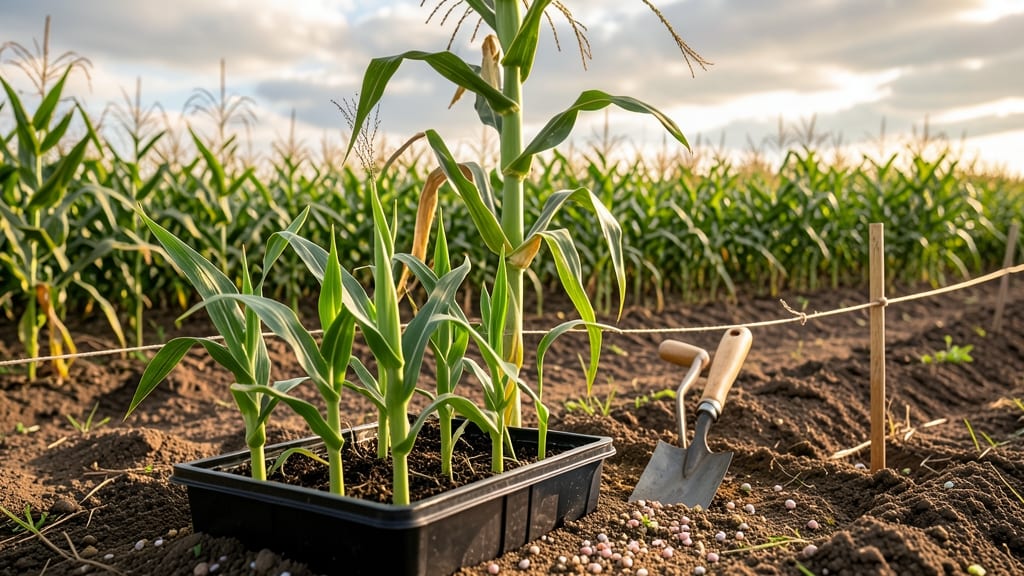
Timing your 🌽 corn planting in Tennessee isn't just about waiting for spring—it's about dodging late frosts that can wipe out your crop before it even sprouts.
With USDA zones 6a-7b and unpredictable weather patterns, getting those seeds in the ground at the right moment makes all the difference between a bumper harvest and a bust.
Most gardeners in Tennessee know the general rule: plant corn after the last frost, but that’s where things get tricky. The mid-April to early June window isn’t one-size-fits-all—your exact planting date depends on whether you're in the cooler Appalachian foothills or the warmer western plains.
I’ll break down the zone-specific deadlines so you can avoid the heartbreak of frozen seedlings.
Here’s the game-changer: soil temperature matters more than the calendar. Corn needs 60°F soil to germinate, and waiting for that warmth—even if it means delaying by a week or two—can mean the difference between stunted plants and strong, thriving stalks.
Let’s get into the exact steps to time your planting like a pro.
You’ll also discover how Tennessee’s microclimates—like the humid valleys of the Smokies or the drier stretches near Nashville—can shift your planting window by 2-3 weeks. Plus, I’ll share my top tips for adjusting your schedule when Mother Nature throws a curveball, like a sudden cold snap or unexpected heatwave.
Tennessee corn planting zones & exact frost-free deadlines by region
Tennessee spans USDA zones 5a through 7b, meaning your corn planting window can vary by 3-4 weeks depending on where you live. In Zone 5a (eastern TN mountains), frost lingers until mid-May, while Zone 7b (Memphis area) sees last frosts by early April.
These differences directly impact when you should plant corn for a successful harvest.
Corn seeds won’t germinate below 50°F soil temperature, but they thrive when soil reaches 60°F+. In Tennessee, this typically aligns with late April to early May in most regions. However, urban heat islands (like Nashville) can warm soil 1-2 weeks earlier than rural areas, so adjust accordingly.
Below is a breakdown of last frost dates, ideal planting windows, and soil temperature targets by Tennessee region. Use these as your planting deadlines to avoid frost damage to young corn plants.
| Region | USDA Zone | Last Frost Date | First Planting Window | Soil Temp Target |
|---|---|---|---|---|
| East TN Mountains | 5a-6a | Mid-to-late May | Late May | 60°F+ (early June) |
| Middle TN (Nashville) | 6b-7a | Early-to-mid April | Mid-April to early May | 60°F+ (late April) |
| West TN (Memphis) | 7a-7b | Early April | Late March to early April | 60°F+ (early April) |
| Highland Rim (Chattanooga) | 6b-7a | Late April | Early May | 60°F+ (late April) |
*Adjust planting dates 1-2 weeks earlier for urban areas with microclimates.
For gardeners in Zone 6a/7a (most of Tennessee), aim to plant corn 2 weeks after your last frost date. This ensures seedlings aren’t caught by unexpected cold snaps. Use a soil thermometer to confirm temperatures—corn seeds won’t sprout below 50°F, but growth stalls below 60°F.
If you’re in Zone 5a (e.g., Johnson City), consider starter plants or row covers to extend your season. These areas have a shorter growing season, so prioritize early-maturing varieties like ‘Silver Queen’ (60-65 days) over slower varieties.
Pro tip: Plant succession crops every 2 weeks in May-June to stagger harvests. This works especially well in Zone 7b, where you can squeeze in 2-3 plantings before summer heat sets in.
Urban gardeners in cities like Nashville or Memphis often experience warmer microclimates due to pavement and buildings. Test your soil temperature 1 inch deep in the morning—if it’s 60°F+, it’s safe to plant corn 1-2 weeks earlier than rural guidelines suggest.
Remember: Corn needs 90-120 days to mature, so calculate backward from your first frost date (typically mid-October in TN). For example, if your frost date is October 15, plant by June 20 for a full-season variety.
For late-season varieties (e.g., ‘Peaches and Cream’), push planting to early June—just ensure you have 100+ frost-free days remaining. Use black plastic mulch to warm soil faster if needed.
🌱
Step-by-step corn planting timeline: from seed to harvest in TN
Planting corn in Tennessee isn’t just about timing—it’s about following a 30-day growth milestone that aligns with your USDA zone and local microclimate. Whether you’re in East Tennessee’s cooler Zone 6a or Middle Tennessee’s warmer Zone 7a, these steps ensure your corn thrives from seed to harvest.
Start with soil temperatures above 60°F and work backward from your first frost date.
For most of Tennessee, the ideal planting window spans from mid-April to early June, but urban areas like Nashville may need to wait until late April due to heat islands.
Use a soil thermometer to confirm readiness—corn seeds won’t germinate below 50°F. If you’re in West Tennessee (Zone 7b), you can push planting to early June for a fall harvest.
🌽 30-Day Corn Growth Milestones in Tennessee
- Day 1-7: Germination – Seeds sprout 1 inch deep in warm, moist soil. Thin seedlings to 4-6 inches apart once they’re 3 inches tall.
- Day 14-21: Vegative Stage – Leaves unfurl; focus on 1-2 inches of water weekly. Use mulch to retain moisture.
- Day 30-45: Tasseling – Pollination occurs; increase water to daily to support ear development. Watch for corn earworms.
- Day 60-70: Harvest Ready – Silks turn brown and dry; kernels should be plump and milky when pierced.
Companion planting is a game-changer for Tennessee corn growers. Pair your corn with beans or squash to deter pests like corn earworms and raccoons. Avoid planting near tomatoes or cabbage, as they compete for nutrients.
In Zone 6a, consider succession planting every 2 weeks from April to early June to extend your harvest window.
Once your corn reaches 6 feet tall (around Day 45), it’s time to stake or cage taller varieties like ‘Silver Queen’ to prevent lodging from Tennessee’s summer storms.
In East Tennessee’s higher elevations, where winds are stronger, use bamboo stakes for support. This also makes harvesting easier and reduces disease spread from wet foliage.
Harvesting corn in Tennessee typically occurs between late July and October, depending on your planting date. Use a sharp knife to cut ears from the stalk, leaving 1-2 inches of husk to preserve freshness.
For drying corn, harvest when kernels are dent-stage (hard and dry) and hang ears in a well-ventilated, dry space for 2-4 weeks. Store dried corn in airtight containers for up to 1 year.
If you miss the primary planting window, don’t despair—succession planting in early June can still yield a small fall harvest, especially in Zone 7b. Just be prepared to protect seedlings with row covers if late-season frosts threaten.
With the right timing and care, Tennessee’s corn season can be as rewarding as it is bountiful. 🌾