
Plants
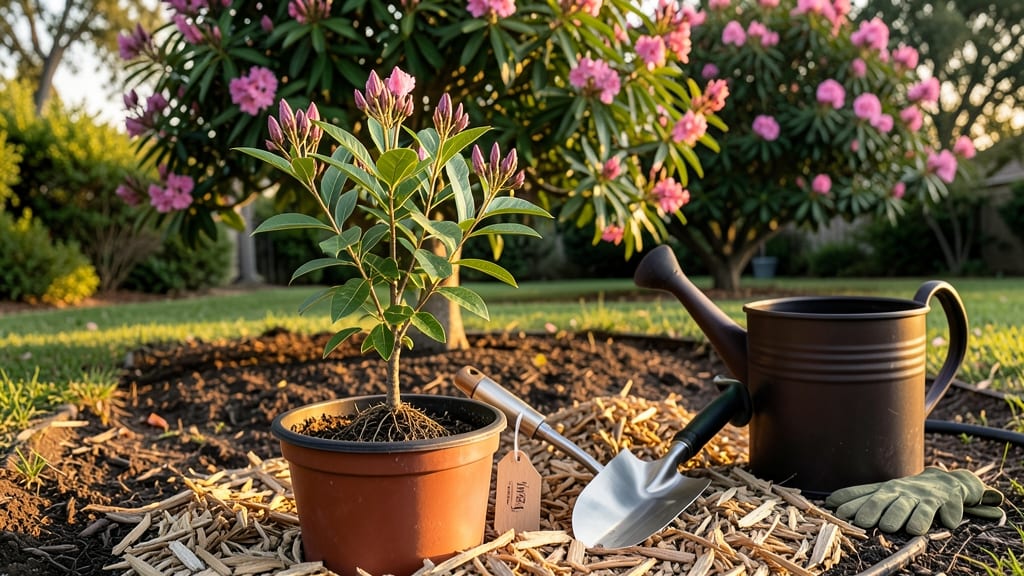
If you're dreaming of a Texas landscape bursting with 🌸 crape myrtle blooms but planting them at the wrong time could mean stunted growth or worse, you're not alone. The key to thriving crape myrtles in Texas lies in understanding your specific heat zone and timing your planting just right.
Texas gardeners know these trees love the heat, but they're also sensitive to late frosts and scorching summer sun. Whether you're in North Texas or South Texas, planting too early or too late can spell disaster for your 🌸 crape myrtle.
The ideal window is late winter to early spring, but there's more to it than just picking a month.
I'll walk you through exactly when to plant crape myrtles in Texas' diverse climate zones, including the best months for your specific region. You'll learn how to prepare your soil, recognize warning signs of poor timing, and give your new trees the best chance to flourish.
With the right timing, your crape myrtle could grow from a small sapling to a stunning 15-foot beauty in just a few years. Let's make sure you're planting at the perfect moment for vibrant blooms that'll last through summer and beyond.
Texas heat-zone planting timeline for crape myrtle success
Texas gardeners know that crape myrtles (Lagerstroemia) thrive in our hot summers but need precise planting timing to survive. The USDA zones 8a-10b across Texas create distinct microclimates, so your planting window depends on where you live.
For example, North Texas (like Dallas) has later frost dates than South Texas (like Houston), meaning different ideal months.
Most experts recommend planting crape myrtles during two key windows: late winter to early spring (February-March) or early fall (September-October). Spring planting gives roots time to establish before summer heat, while fall planting avoids late-season drought stress.
Let's break down the best months for each of Texas' 7 climate zones to maximize your tree's survival and bloom potential.
⚠️ CRITICAL TIP: Always check your local last frost date—planting too early risks frost damage, while planting too late may stress young roots in summer heat. Texas A&M's frost maps are a great resource for exact dates.
| Texas Climate Zone | Ideal Planting Window | Last Frost Date | Key Considerations |
|---|---|---|---|
| Zone A (Far North: Amarillo) | April 15-May 15 | March 15 | Wait for soil temps above 60°F; use cold-hardy varieties like 'Natchez' |
| Zone B (North: Dallas-Fort Worth) | February 28-March 31 | February 15 | Avoid planting before March 1; mulch heavily to protect roots |
| Zone C (Central: Waco, Austin) | February 15-March 15 | February 1 | Best window is February-March; fall planting works too (Sept-Oct) |
| Zone D (East: Tyler, College Station) | January 15-February 28 | January 10 | Can plant as early as January; watch for late frosts |
| Zone E (South: San Antonio) | January 1-February 15 | December 25 | Early January planting works; fall window extends to November |
| Zone F (Deep South: Brownsville) | November 15-February 15 | January 15 | Can plant year-round; avoid summer heatwaves (May-Sept) |
In Zone C (Central Texas), where Austin gardeners live, the ideal window is February 15-March 15. This gives roots time to establish before 100°F+ summers.
I've seen crape myrtles planted in April struggle with transplant shock when temperatures hit 95°F+—their roots simply can't keep up with the demand.
For fall planting, aim for September-October across most zones. This allows roots to establish before winter dormancy. In Zone F (Deep South), you can even plant as late as November, but avoid planting after December 1 to prevent root freeze damage.
I once planted a 'Tonto' crape myrtle in mid-December in San Antonio—it survived but took 2 years to bloom compared to spring-planted trees.
Soil temperature is more critical than air temperature. Use a soil thermometer to confirm temps are above 60°F before planting.
In North Texas, this often means waiting until mid-April even if air temps feel warm. Root rot from cold soil is a common issue I see in Zone B gardeners who plant too early.
After choosing your window, amend the soil
North Texas vs. South Texas planting: key differences explained
Texas' North and South regions have wildly different planting windows for crape myrtles due to temperature extremes. In North Texas (like Dallas-Fort Worth), the last frost typically hits around February 15, while South Texas (Houston-San Antonio) can plant as early as January 15.
These differences mean your planting strategy must adapt to avoid frost damage or summer stress.
South Texas gardeners have a 2-3 week advantage in early planting because milder winters allow crape myrtles to establish roots before summer heat arrives. Meanwhile, North Texas gardeners must wait until late March to guarantee frost-free growth.
The key difference? Soil warmth - South Texas soils warm up faster in early spring, while North Texas soils stay cooler longer.
| Region | Last Frost Date | Ideal Planting Window | Key Risk |
|---|---|---|---|
| North Texas | February 15 | Late March - Early April | Late frosts |
| Central Texas | March 1 | Early March - Mid-April | Unpredictable temperature swings |
| South Texas | January 15 | Late January - Early March | Early summer heatwaves |
🌡️ Temperature is the deciding factor
Another critical difference is fall planting. South Texas gardeners can plant crape myrtles as late as October 15 because the ground stays warm longer, allowing roots to establish before winter. In contrast, North Texas gardeners should finish fall planting by September 30 to avoid winter stress.
The 60-day root establishment rule applies to both regions - your tree needs this time to develop strong roots before extreme temperatures arrive.
Microclimates within each region also matter. For example, elevated areas in North Texas (like the Hill Country) may experience earlier last frosts than urban areas, while coastal South Texas stays warmer longer due to Gulf influence.
Always check your specific zip code for precise frost dates using the Texas A&M AgriLife Extension frost map.
Pro tip: Use mulch heavily in North Texas to protect young roots from late frosts, while South Texas gardeners should focus on shade cloth during summer's brutal heatwaves.
Both regions benefit from well-draining soil - the single most important factor for crape myrtle success regardless of where you plant in Texas.
Remember, crape myrtles are heat-loving plants that thrive when given time to acclimate. Whether you're in freeze-prone North Texas or humid South Texas, the golden rule remains: plant when soil temps reach 60°F+ and give your tree at least 60 days before extreme weather arrives.
This timing ensures your crape myrtle will reward you with vibrant blooms for years to come.