
Plants
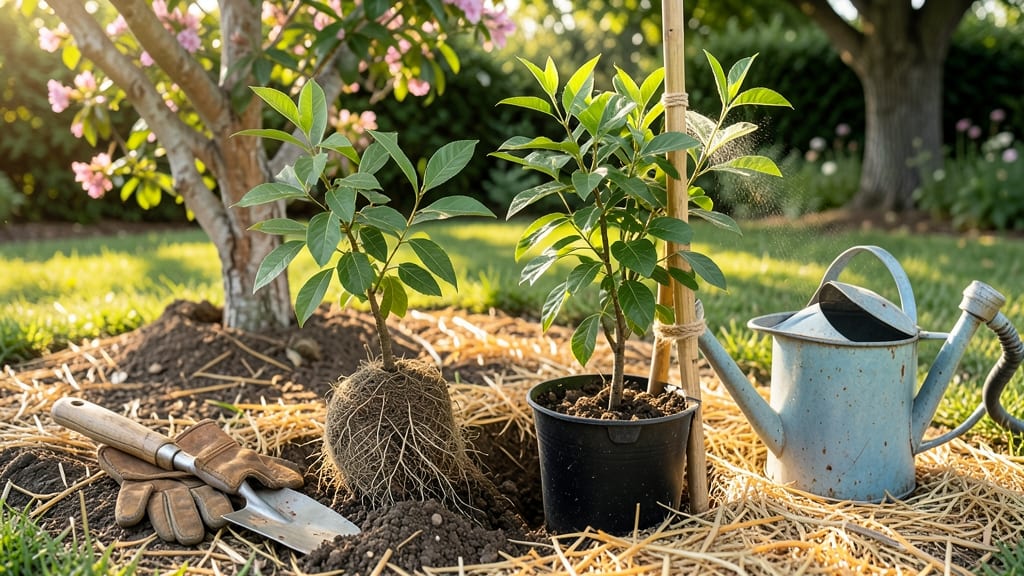
If you're dreaming of vibrant purple blooms 🌸 that turn your Virginia landscape into a summer showstopper, timing your crape myrtle planting is the secret weapon you’ve been missing.
Plant too early, and frost could sabotage your sapling before it even takes root. Too late, and your tree might struggle to establish before winter sets in.
Virginia’s 6a-8a zones create a unique challenge—northern regions like the Shenandoah Valley have later frost risks than coastal areas near Norfolk. That means what works for a gardener in Roanoke might fail in Richmond if you don’t adjust your schedule.
The good news? With the right window, your crape myrtle will reward you with years of effortless beauty.
I’ve helped Virginia gardeners transform bare spots into lush, blooming canvases by mastering the perfect planting moments—whether you’re dropping a bare-root sapling in March or tucking a container-grown tree into the ground in September. Let’s cut through the guesswork and get your crape myrtle off to the strongest start possible.
Ready to avoid the costly mistakes that turn hopeful plantings into sad, stunted shrubs?
I’ll walk you through the exact months that work for your zone, plus pro tips to give your tree the head start it deserves—so you can enjoy those show-stopping flowers next summer, not years from now.
Virginia’s best planting windows for crape myrtles by USDA zone
Virginia spans USDA zones 6a through 8a, and your exact zone determines the perfect window for planting crape myrtles. In colder northern Virginia (zones 6a-6b), aim for late April to early May when soil warms to 60°F+.
Southern Virginia gardeners (zones 7a-8a) can plant as early as mid-March or even late fall in September-October.
Timing matters because crape myrtles hate frost—young roots can’t survive temperatures below 28°F. Planting too early risks damage, while waiting too long delays root establishment, leading to stunted growth or poor blooms next summer. Always check your last frost date and plant 4-6 weeks after.
For bare-root crape myrtles, spring planting is ideal—roots re-establish quickly in warm soil. Container-grown trees, however, can handle fall planting (September-October) in zones 7a-8a, giving roots time to settle before winter. In zone 6a, stick to spring to avoid winter stress.
🌱 Virginia Crape Myrtle Planting Deadlines by Zone
| USDA Zone | Best Planting Window | Soil Temp Threshold | Frost Risk |
|---|---|---|---|
| 6a-6b | Late April–Early May | 60°F+ | High (last frost: April 15) |
| 7a-7b | Mid-March–Early April | 55°F+ | Moderate (last frost: March 15) |
| 8a | Late February–March OR September–October | 50°F+ | Low (last frost: Feb 15) |
💡 Pro Tip: Use a soil thermometer to confirm warmth before planting—cold soil slows root growth.
In northern Virginia (zones 6a-6b), prioritize spring planting after April 15 to avoid late frosts. For example, in Roanoke (zone 6b), wait until mid-April when nighttime temps stay above 40°F. Southern zones like Norfolk (zone 8a) offer flexibility—plant in February-March or September-October.
Container-grown crape myrtles adapt better to fall planting because their roots aren’t exposed. If planting in fall, water deeply before the first frost (usually November 15 in zone 7a) to help roots establish. Mulch heavily with 3-4 inches of organic mulch to insulate roots during winter.
One common mistake? Planting too early in hopes of a head start. Young crape myrtles planted in March in zone 6a may still face 28°F nights, killing tender roots. Always check 7-day forecasts and plant when temps stay above 50°F for a week.
For container crape myrtles, fall planting in September-October works well in zones 7a-8a. The tree focuses on root growth instead of foliage, giving it a healthier start for next summer’s blooms. Just avoid planting in late October or November—roots need 6-8 weeks to establish before winter.
If you’re unsure about your zone, use the USDA Plant Hardiness Zone Map or ask your local Virginia Cooperative Extension office. They can provide hyper-local frost data and adjust planting windows based on microclimates (e.g., urban heat islands or valley frosts).
Remember: Crape myrtles thrive with full sun (6+ hours daily), so choose a south-facing spot with well-draining soil. Amend heavy clay soil with compost or sand to prevent root rot—a common issue in Virginia’s humid summers.
Once planted, water deeply once a week for the first month to encourage root spread. After that, reduce to bi-weekly watering unless we experience a drought. Crape myrtles are drought-tolerant once established, but young trees need consistent moisture.
Virginia’s best planting windows for crape myrtles by USDA zone
Virginia’s USDA zones 6a-8a create a 3-week window difference between northern and southern regions for planting crape myrtles.
In zone 6a (like Blacksburg), aim for April 15–May 15 to avoid late frosts, while zone 8a (Norfolk) gardeners can start as early as March 1—just when soil temperatures hit 60°F (15°C). This variation means checking your local last frost date is non-negotiable.
For container-grown crape myrtles, the window expands slightly—you can plant 2 weeks earlier in spring or 2 weeks later in fall compared to bare-root trees.
This flexibility lets you work around weather delays, but don’t push it: established roots before winter are your tree’s best defense against Virginia’s humidity and fungal risks.
| USDA Zone | Best Planting Window | Soil Temp Threshold | Key Consideration |
|---|---|---|---|
| 6a (e.g., Roanoke) | April 15–May 15 | 60°F (15°C) | Late frosts common; wait for consistent warmth |
| 7a (e.g., Charlottesville) | March 30–April 30 | 55°F (13°C) | Balanced risk; monitor weather forecasts |
| 7b (e.g., Richmond) | March 15–April 15 | 50°F (10°C) | Faster root establishment in warmer microclimates |
| 8a (e.g., Norfolk) | February 15–March 15 | 45°F (7°C) | Earliest window; minimal frost risk |
Fall planting in Virginia offers cooler soil temperatures and higher moisture levels, which help roots establish before winter. For zone 6a, target September 15–October 15—giving roots 6–8 weeks to grow before the first frost.
In zone 8a, you can push it to November 1, but avoid planting after October 31 in colder microclimates like the Blue Ridge Mountains.
Pro tip: Use a soil thermometer to confirm ground temps. Crape myrtles won’t thrive if planted in soil below 50°F (10°C), even if air temps feel mild.
I’ve seen gardeners in zone 7a rush planting in March only to watch their trees yellow and wilt when a late frost hit—don’t let that be you!
For container planting, the rules relax slightly. You can plant bare-root trees in early spring (March) or container-grown trees in late fall (November) in zone 8a, as containers insulate roots better. Just water deeply before the first hard freeze to prevent desiccation from Virginia’s dry winter winds.
Remember: Healthy roots = vibrant blooms. Whether you’re in northern Virginia’s cooler zones or Tidewater’s mild climate, aligning your planting with soil temps—not just calendar dates—will give your crape myrtle the head start it needs for summer’s showstopping display 🌸.