
Plants
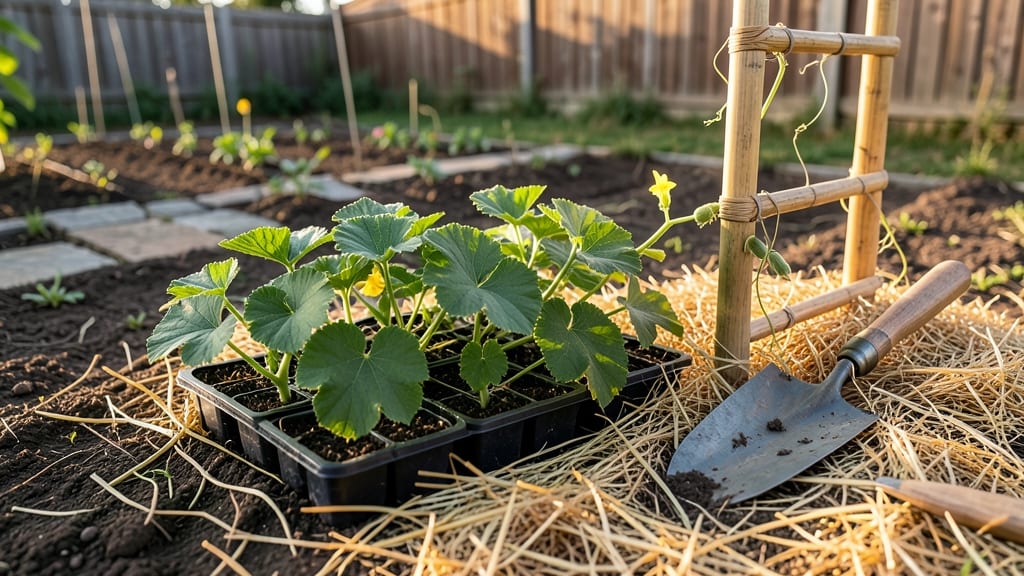
Timing your cucumber planting in Zone 6B makes all the difference between a thriving 🥒 harvest and wasted effort. One wrong move—like planting too early—means frost will kill your tender seedlings before they even sprout. But get it right, and you’ll enjoy crisp, homegrown cucumbers from July through September.
I’ve grown cucumbers in Zone 6B for years, and the key is knowing when the soil warms up enough to support these heat-loving plants. You’ll want to wait until after the last frost (usually mid-April to early May) and ensure soil temperatures stay above 60°F.
This timing isn’t just about avoiding frost—it’s also about giving your cucumbers the best start possible.
In this guide, I’ll break down the exact planting windows for your region, including tips for choosing the right varieties and extending your harvest. Whether you’re a first-time gardener or a seasoned pro, these insights will help you grow cucumbers faster and with less stress.
Let’s get your garden ready for success!
You’ll learn how to time your planting for peak production, avoid common mistakes, and even push your harvest later into the season. By the end, you’ll have a clear, actionable plan tailored to Zone 6B’s unique climate. Let’s dive in!

Zone 6B frost dates & optimal cucumber planting windows
Cucumbers thrive in warm weather, so planting them too early in Zone 6B risks frost damage, while waiting too long cuts your harvest short. The last average frost date in this zone is around April 15, but you should wait until soil temperatures reach 60°F—usually mid-to-late May.
This warm-season crop needs 120-140 frost-free days to mature, so timing is everything.
In Zone 6B, cucumbers should be planted 2-4 weeks after your last frost date, typically between May 1 and June 1. Early varieties can handle slightly cooler soil, while heat-loving types need warmer conditions. Always check your local microclimate—valleys stay cooler longer, while south-facing slopes warm faster.
For maximum yield, aim to plant cucumbers when daytime temperatures consistently stay above 70°F. This usually aligns with late May to early June in most of Zone 6B. If you're unsure about your exact frost date, use a planting calendar or local extension service for precise guidance.
Here’s a quick reference for your Zone 6B cucumber planting schedule:
| Stage | Action | Notes |
|---|---|---|
| Soil Prep | Test soil pH (6.0-6.8) | Add compost for nutrients |
| Last Frost | April 15 (avg.) | Wait 2-4 weeks after |
| Planting Window | May 1 - June 1 | Soil temp: 60°F+ |
| Harvest Start | July (early varieties) | Pick every 2-3 days |
| First Frost | October 15 (avg.) | Stop planting 4-6 weeks before |
If you’re growing bush cucumbers, they’re more forgiving and can handle slightly cooler soil, but vining varieties need the warmth to thrive. For a longer harvest, consider planting a second batch in early July—just be sure to use heat-tolerant varieties like 'Straight Eight' or 'Lemon Cucumber'.
Pro tip: Use a soil thermometer to confirm temperatures before planting. Cucumbers won’t germinate well in cold soil, and waiting a few extra days for the perfect conditions pays off with stronger plants and bigger yields.
For gardeners in Zone 6B, late May is ideal for most cucumber varieties, but if you’re eager to start earlier, try indoor starts or a greenhouse. Just remember: cucumbers are heat-lovers, so rushing them can lead to poor germination or weak plants.
Always monitor your local weather forecast in April and May—unexpected cold snaps can delay planting. If frost threatens after you’ve planted, cover seedlings with row fabric or a cloche to protect them until temperatures rise.
Once your cucumbers are in the ground, focus on consistent watering and mulching to keep soil temperatures stable. This helps young plants establish roots quickly, setting the stage for a productive harvest.
By following these Zone 6B-specific guidelines, you’ll avoid the most common mistakes—like planting too early or ignoring soil warmth—and enjoy a bountiful cucumber harvest from mid-summer through early fall. 🥒
Best cucumber varieties for zone 6B & their planting schedules
Choosing the right cucumber variety for Zone 6B is key to avoiding heat stress or early frost damage. Some varieties thrive in cooler springs, while others handle summer heat better. Let's break down the best options and their ideal planting times to maximize your harvest.
For early spring planting (March-April), opt for cold-tolerant varieties like 'Straight Eight' or 'Marketmore'. These can handle slightly cooler soil temperatures and give you a jumpstart. If you're planting in late spring or summer, heat-loving varieties like 'Armenian' or 'Lemon' cucumbers perform best.
Here’s how to match varieties with your Zone 6B planting schedule for the best results:
| Variety | Planting Window | Days to Harvest | Key Notes |
|---|---|---|---|
| Straight Eight | Mid-April to May 15 | 50-60 days | Cold-tolerant; great for early harvests. |
| Marketmore 76 | Late April to June 1 | 55-65 days | Versatile; handles heat and humidity well. |
| Armenian | May 15 to June 15 | 60-70 days | Heat-loving; produces long, snaking fruits. |
| Lemon Cucumber | June 1 to July 1 | 50-60 days | Thrives in summer heat; unique flavor. |
| Bush Champion | Late May to June 10 | 55-60 days | Compact; ideal for small gardens or containers. |
When selecting your cucumber varieties, consider your garden space and climate preferences. For example, if you have limited space, bush varieties like 'Bush Champion' are perfect. If you want to extend your harvest into late summer, heat-tolerant types like 'Armenian' or 'Lemon' cucumbers are your best bet.
Pro tip: If you're unsure about your last frost date, use a frost-sensitive plant like basil as a guide. Plant it alongside your cucumbers—if it survives, your cucumbers are likely safe from frost damage.
For succession planting, stagger your planting dates every 2-3 weeks. This ensures a continuous supply of fresh cucumbers from July through September. Just
Finally, always check the seed packet for specific days to maturity and adjust your planting schedule accordingly. Some varieties may need a slightly earlier or later start depending on your local microclimate.