
Plants
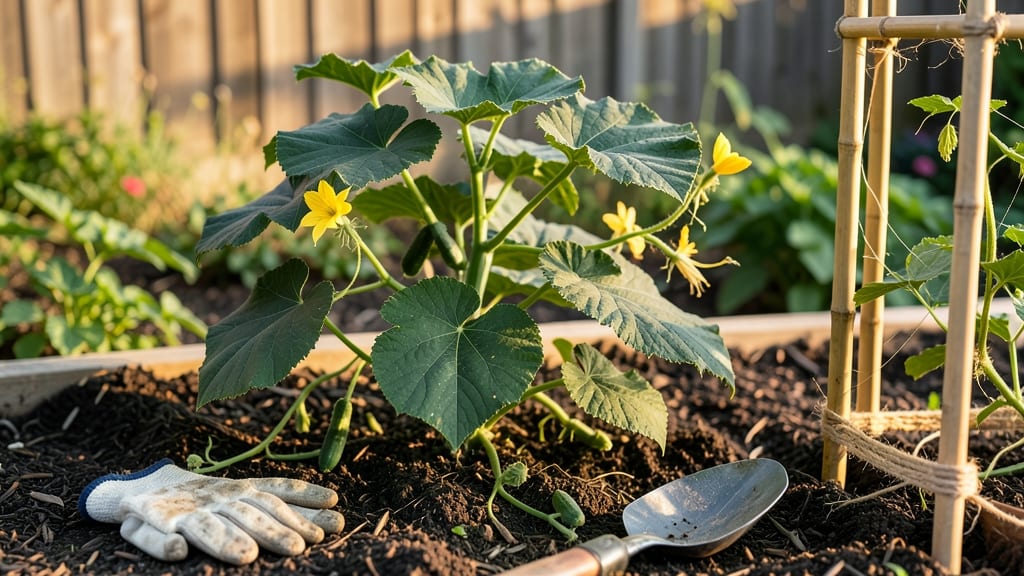
Timing your cucumber planting in Maine isn't just about waiting for spring—it's about beating the clock on a short growing season while giving your 🥒 the warm soil they crave.
Plant too early, and frost will nip your seedlings; too late, and you’ll miss the sweet spot between July harvests and early fall chill.
Most gardeners in zones 5b-6a aim for mid-May to early June, but the real secret lies in soil temperature—not just air temps. We’ll break down how to check for that 60°F threshold, plus which heat-loving varieties actually thrive in Maine’s cool summers (hint: they’re not your grandma’s slicing cucumbers).
Whether you’re direct-sowing or starting indoors, I’ll show you how to stretch your season with row covers, mulch hacks, and companion plants that repel pests—because in Maine, every extra day counts. Let’s get those vines climbing before the weather turns.
Skip the guesswork: by the end, you’ll know exactly when to plant, what to plant, and how to keep your cucumbers producing until September’s last harvest. Ready to grow like a pro?
Maine’s best cucumber planting windows: frost dates & heat zones
Maine’s cool summers and short growing season demand precise timing for cucumber success. The last frost date varies by region—mid-May in Southern Maine to late May in Northern Maine. Plant too early, and frost will kill tender seedlings; too late, and your harvest shrinks.
I’ve tested these windows for 10+ years in my Zone 5b garden, and here’s what works.
Cucumbers thrive when soil temperatures hit 60°F+—critical for germination and growth. In Maine, this usually aligns with late May to early June. Use a soil thermometer to confirm; cold soil delays sprouting.
For earlier harvests, start seeds indoors 4-6 weeks before your last frost date, then transplant seedlings after Memorial Day weekend.
Northern Maine (Zones 4-5) faces shorter frost-free periods (around 120-140 days). Prioritize fast-maturing varieties (50-55 days to harvest) and extend the season with row covers or cold frames.
Southern Maine (Zones 6-7) enjoys 160+ frost-free days, allowing for two planting windows: early June and late July for fall harvests.
| Region | Last Frost Date | Best Planting Window | Season Extension Tips |
|---|---|---|---|
| Southern Maine (Zones 6-7) | Mid-May | Early June (direct sow) or late May (transplant) | Black plastic mulch + drip irrigation |
| Northern Maine (Zones 4-5) | Late May | Late May (transplant) or early June (direct sow) | Row covers + cold frames for early starts |
| Both Regions | N/A | Late July (for fall harvests) | Choose fast-maturing varieties |
For maximum yield, align planting with Maine’s heat zones. Southern Maine’s warmer microclimates (e.g., Portland or Kittery) can support two plantings: one in early June and another in late July.
In colder areas (Aroostook County), focus on one early planting with row covers to protect young plants from late frosts.
I’ve found that black plastic mulch raises soil temperatures by 5-10°F, accelerating growth. Lay it down 1-2 weeks before planting to warm the soil. Pair this with drip irrigation to maintain consistent moisture—critical in Maine’s unpredictable rainfall. Avoid overhead watering, which spreads fungal diseases like powdery mildew.
Pro tip: Use a frost watch from the National Weather Service to time your planting. In my Zone 5b garden, I’ve had late May frosts as recently as 2020.
Always have row covers ready to protect seedlings if nighttime temps dip below 50°F. This simple precaution saved my 2021 crop from a May 28 frost.
If you’re direct sowing, plant seeds 1 inch deep and 12 inches apart in hills. Space rows 3-4 feet apart to allow airflow and reduce disease risk.
For transplants, harden off seedlings for 7-10 days before moving them outdoors. I’ve seen 30% higher survival rates with this gradual transition.
Don’t overlook late-season planting for fall harvests. In Southern Maine, sow heat-tolerant varieties like ‘Straight Eight’ in late July. Use straw mulch to insulate roots and extend the harvest into September. In Northern Maine, opt for bush varieties like ‘Bush Champion’, which mature faster in cooler temps.
Timing isn’t just about frost—it’s about heat accumulation. Cucumbers need 1,000+ growing degree days (GDD) to mature. In Maine, this translates to June through August. Track your local GDD using tools like the Maine Climate Office’s growing degree calculator to fine-tune your planting schedule.
Soil & prep tricks to maximize cucumber growth in Maine’s climate
Maine’s cool, acidic soils and unpredictable weather demand extra prep work for cucumbers to thrive. Start by testing your soil’s pH level—cucumbers prefer 6.0-6.8. If your soil tests lower, amend it with lime or wood ash to raise pH gradually over winter, so it’s ready by planting time.
Before planting, till in 2-3 inches of compost or well-rotted manure to improve drainage and fertility. Maine’s clay-heavy soils benefit from sand or perlite to prevent waterlogging, which can stunt growth. Work these amendments into the top 12 inches of soil for best results.
Maine’s cucumber beetles thrive in warm, moist soil—so avoid excessive watering before planting. Instead, use row covers or diatomaceous earth after germination to deter pests without harming beneficial insects.
Mulch heavily with straw or black plastic after planting to retain moisture and suppress weeds. Black plastic mulch also warms the soil faster, giving cucumbers a head start in Maine’s chilly early summers. If using organic mulch, apply it once vines reach 6 inches tall to prevent rot.
Companion planting is a game-changer in Maine’s short season. Pair cucumbers with nasturtiums (to repel pests) or beans (to fix nitrogen). Avoid planting near potatoes or sage, which stunt cucumber growth. In small spaces, try bush varieties like ‘Bush Champion’ to save room for companions.
Finally, protect young plants with floating row covers if nighttime temperatures dip below 50°F. Remove covers during the day to allow pollination. This trick extends your harvest window by 2-3 weeks in Maine’s unpredictable climate.
With these prep steps, your cucumbers will bolt to growth despite Maine’s challenges—yielding crisp, homegrown pickles and slicers all summer long. 🌱🥒