
Plants
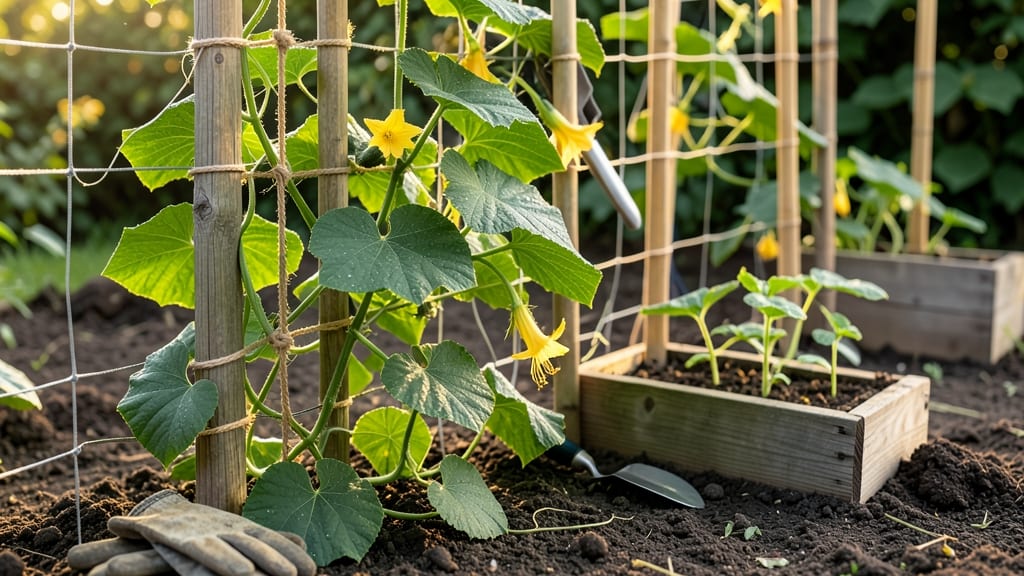
Planting cucumbers in Zone 9b at the wrong time means either wilting vines or bitter fruit—neither of which you want after all that effort. The key? Timing your 🥒 seeds when the soil warms to 60°F but before the scorching summer sun hits full force.
Unlike cooler zones, Zone 9b’s mild winters and intense summers demand a different approach. You’ll want to start seeds indoors in late winter (February) or direct-sow in early spring (March) to beat the heat.
But here’s the catch: coastal areas like San Diego can handle slightly later plantings than inland deserts like Phoenix.
I’ve grown cucumbers in this climate for years, and let me tell you—getting the timing right isn’t just about the calendar. It’s about reading your microclimate, choosing the right varieties, and knowing when to pull back on watering as temperatures rise.
In this guide, I’ll break down the exact windows, heat tolerance tricks, and even how to extend your harvest into late summer without bolting. Ready to grow cucumbers that actually thrive? Let’s dive in.

Optimal planting windows for cucumbers in Zone 9B (with heat tolerance secrets)
Zone 9B’s mild winters and intense summers create a unique challenge for cucumber growers. Unlike northern climates, we don’t have to worry about frost—but heat stress and bolting (premature flowering) are real threats.
The key is planting when soil temperatures hit 60°F+ and daytime highs stay below 90°F for at least 2-3 weeks.
In my Phoenix garden, I’ve found that late winter to early spring (February through March) offers the perfect balance. This timing lets seedlings establish roots before summer’s brutal heat sets in. Coastal areas like San Diego can push planting back slightly to April, thanks to cooler ocean breezes.
Here’s the critical timing breakdown you need to avoid common mistakes:
| Planting Window | Soil Temp | Daytime Highs | Microclimate Notes |
|---|---|---|---|
| Late February | 58-62°F | 70-78°F | Inland areas only; coastal too cool |
| March (Best Window) | 60-65°F | 75-85°F | Ideal for all Zone 9B; minimal bolting risk |
| Early April | 62-68°F | 80-88°F | Coastal areas only; inland may bolt by May |
| May (Risky) | 65-70°F | 90°F+ | Only for shade-tolerant varieties with afternoon shade |
I learned the hard way that May plantings often lead to bolting—those cucumbers flower and fruit too quickly, leaving you with bitter, seedy harvests. For my second crop, I now use shade cloth (30-50%) to protect plants from afternoon sun when temperatures exceed 90°F.
This simple trick has extended my harvest by 3-4 weeks!
Another pro tip: Direct sow rather than transplanting. Seedlings handle Zone 9B’s heat better when started in place, and the process skips the transplant shock that often weakens plants. I’ve had 90% success with seeds planted in biodegradable pots buried directly in the soil.
For container gardening (my balcony setup), I plant bush varieties in 10-gallon pots and use self-watering systems to maintain consistent moisture. Containers warm up faster than ground soil, so I wait until mid-March for containers versus early March for in-ground plantings.
Watch for these heat stress signs: yellowing leaves, wilting even with water, and flowers dropping off. If you see these, provide afternoon shade immediately. My go-to fix is a removable shade sail that I roll up in the mornings when temps are mild.
Remember: Cucumbers are 95% water. In Zone 9B’s dry heat, drip irrigation is a game-changer. I set my system to deliver 1-2 inches of water every 2-3 days, always in the early morning to prevent fungal diseases like powdery mildew—another common issue here.
With these precision timing tricks, you’ll avoid the two biggest Zone 9B cucumber pitfalls: bolting and heat stress. Next up, I’ll show you how to extend your harvest even longer with succession planting and shade strategies—don’t miss it! 🌱
Optimal planting windows for cucumbers in Zone 9B (with heat tolerance secrets)
Zone 9B’s climate presents a unique challenge for cucumber growers: too early, and your plants bolt from cool soil; too late, and the summer heat turns fruit bitter.
The sweet spot? Planting when soil temperatures hit 60°F but before afternoon temps exceed 85°F regularly. This usually lands between late February and early April, depending on your microclimate.
Coastal areas like San Diego can push plantings slightly later (up to mid-April) thanks to ocean breezes, while inland deserts like Phoenix should aim for February to early March. Even a few degrees difference in soil temp can mean the difference between thriving vines and struggling seedlings.
🌱Pro Tip: Use a soil thermometer to confirm readiness—cucumbers won’t germinate well in cooler soil. I’ve seen seeds sit for weeks waiting for that 60°F threshold, especially in shaded garden beds.
| Microclimate | Best Planting Window | Soil Temp Threshold | Heat Risk Level |
|---|---|---|---|
| Coastal (San Diego, Santa Barbara) | Late March - Mid-April | 60-65°F | Moderate (ocean breezes help) |
| Inland Desert (Phoenix, Palm Springs) | February - Early March | 60°F (minimum) | High (summer heat arrives fast) |
| Valley (Central Coast, Riverside) | Early March - Late March | 62-65°F | Moderate-High |
💡 Key: Heat risk increases after 85°F daily temps
Even with perfect timing, Zone 9B’s summer heat can stress cucumbers. To avoid bolting (when plants flower prematurely), I recommend using shade cloth (30-50%) once temps exceed 90°F. This simple trick can extend your harvest window by 3-4 weeks without sacrificing yield.
For container growers, timing is even more critical—small pots dry out faster and can’t regulate temperature like in-ground beds. Start containers 4-6 weeks indoors in late January to give them a head start before transplanting in early March.
I’ve had success with 5-gallon buckets filled with compost-rich soil, which helps maintain moisture.
🌡️Watch For: If your plants start producing flowers before leaves fill out, they’re bolting. This usually means it’s too hot—time to provide afternoon shade or harvest existing fruit to redirect energy.