
Plants
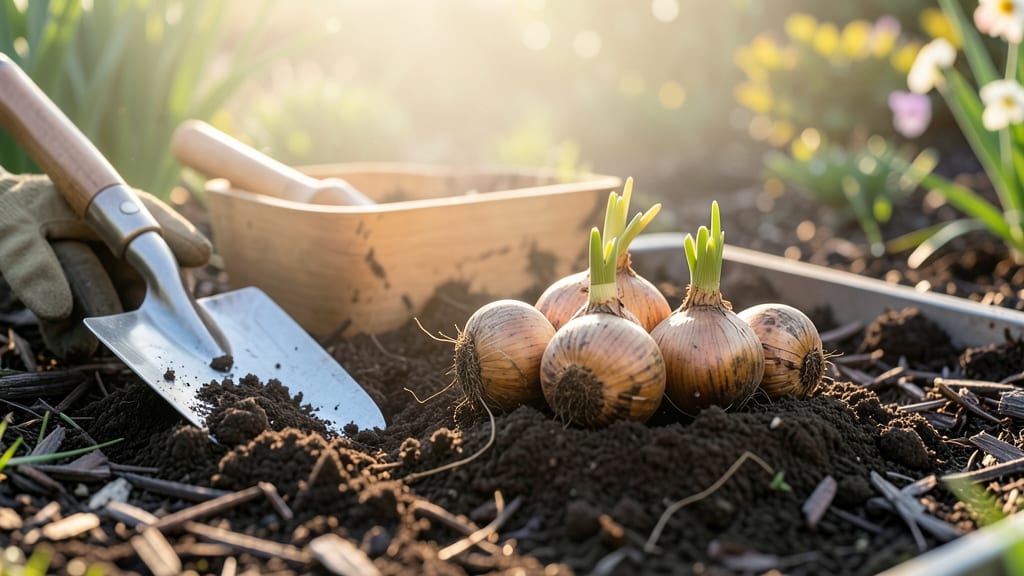
Planting daffodils in California at the wrong time can leave you with wilted bulbs instead of the vibrant 🌼 blooms you crave—but getting the timing right guarantees a stunning spring display, even in frost-free zones.
With California's diverse climate—from coastal mildness to inland heat—knowing when to plant daffodils is the key to success. Unlike cooler regions, our 9-10 USDA zones offer flexibility, but timing still matters to avoid heat stress or premature sprouting.
Fall planting (October-December) is ideal for most gardeners, but coastal areas like San Diego can extend windows into early winter. I'll break down the best months by region so you can plant with confidence, whether you're in frost-prone Sacramento or sunny Southern California.
Discover how to prepare your soil, choose the perfect planting depth, and care for your bulbs post-planting—all tailored to California's unique microclimates. Let's make your garden burst with color next spring!
California daffodil planting calendar: best months by region for frost-free success
California’s microclimates create a unique challenge for daffodil growers. Unlike traditional frost-dependent planting zones, many areas—especially Southern California—have zero frost. This means timing isn’t just about avoiding cold; it’s about avoiding summer heat stress and ensuring bulbs establish roots before spring blooming season.
For Northern California (USDA Zones 9b-10a), aim to plant between October and December. This gives bulbs 10-12 weeks to root before potential light frosts in December-January. In Central California (Zones 9a-9b), like the Bay Area, shift planting to November-December to align with cooler winter temps.
Southern California (Zones 10a-10b), including Los Angeles and San Diego, offers the most flexibility. Plant in November-January—even February works for late-blooming varieties—since frost is rare. The key is ensuring bulbs get consistent moisture before spring heat arrives.
Here’s how to match your region to the perfect planting window:
| Region | USDA Zone | Best Planting Months | Critical Notes |
|---|---|---|---|
| Northern CA (Sacramento, Redding) | 9b-10a | October–December | Avoid planting after December 15; risk of premature sprouting. |
| Central CA (Bay Area, Monterey) | 9a-9b | November–December | Cooler coastal areas tolerate January planting for late spring blooms. |
| Southern CA (LA, San Diego, Riverside) | 10a-10b | November–February | Zero frost zones can plant into early March for summer blooms. |
| High Desert (Palm Springs, Joshua Tree) | 9b-10a | September–October | Plant earlier to avoid summer heat stress; mulch heavily. |
For high-altitude areas like Mount Shasta or Lake Tahoe, follow a 6-week pre-first-frost rule. If your first frost hits December 1, plant by October 15. Use a soil thermometer to confirm 60°F soil temps—the ideal range for root growth.
In coastal regions, like Santa Barbara, milder winters allow January planting. However, avoid planting after February 1, as spring heat can cause bulbs to bolt (sprout too early and wilt).
Pro tip: Test your soil before planting. California’s alkaline soils (pH 7.5+) can stress daffodils. Amend with compost or peat moss to lower pH to 6.5-7.0 for optimal growth. A simple home pH test kit ($10) makes this easy.
Once planted, mulch with 2-3 inches of straw to insulate bulbs from temperature swings. In frost-prone inland valleys, like Fresno, add an extra 1 inch of mulch for protection. Remove mulch in early spring to prevent rot.
Remember: Daffodils thrive on routine. Planting at the right time ensures vibrant blooms from March to May, even in frost-free zones. With these region-specific tips, you’ll skip the wilted bulb blues and enjoy a showstopping spring display. 🌼
How to time daffodil planting for zero-frost blooms: pro tips for California gardeners
California’s microclimates mean your daffodil timing shouldn’t follow a one-size-fits-all rule. In Zone 10 (like San Diego), you can plant daffodils year-round with minimal risk, while Zone 9b (Sacramento) demands a 6-week pre-frost buffer.
My secret? Focus on soil temperature—aim for 60°F or below to trigger bulb dormancy before winter rains arrive.
For reliable blooms, follow the 10-12 week rule: Plant bulbs when your region’s average first frost is 10-12 weeks away. In Southern California, this often means November planting for March blooms, while Northern California gardeners should plant by mid-October to avoid winter sprouting.
🌼 Pro Tip: Use black plastic mulch in hot inland areas (like Bakersfield) to warm soil and extend the planting window into early December. This trick adds 2-3 weeks of growth before winter slows things down.
Here’s my go-to strategy for California’s unpredictable winters: Plant daffodils in late October across most regions, then adjust based on rainfall forecasts. If El Niño brings early rains, delay until November to prevent rot-prone soil.
For coastal areas, a January planting can still yield spring blooms if you use larger bulbs (2+ inches in diameter).
💡 Key Insight: Companion planting with low-growing perennials (like lavender or thyme) protects bulbs from temperature swings. These plants act as natural mulch, insulating roots while suppressing weeds. Plus, they repel squirrels, which love digging up fresh daffodil bulbs!
🌿 Remember: Dwarf varieties (like ‘Tête-à-Tête’) bloom earlier than standard types, often by 7-10 days. If you’re in a high-desert area (e.g., Palm Springs), prioritize these for winter blooms—they thrive in cooler microclimates within hotter regions.
For container gardening in urban areas, plant daffodils in early October and move pots to a garage or shed if freezing temps (below 32°F) are forecasted. This protects roots while still allowing spring blooms. Just replant outdoors by February to harden off the bulbs.