
Plants
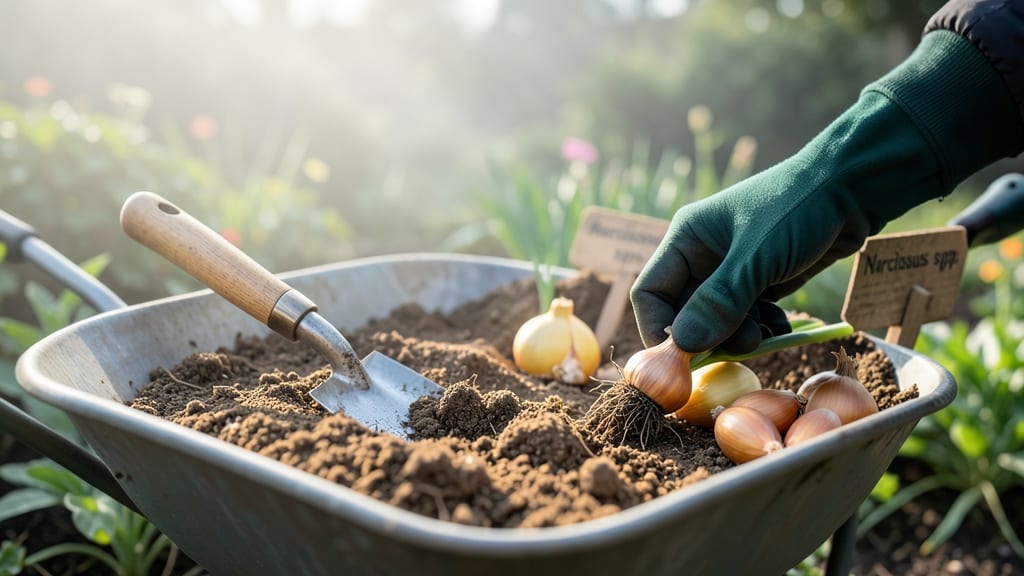
Timing matters more than you think when it comes to planting daffodil bulbs in Wisconsin—get it wrong, and you might end up with soggy, half-hearted blooms or no flowers at all. Wisconsin’s 4a-6b climate demands precision, especially since those 🌼 bulbs need time to root before winter sets in.
Most gardeners assume fall planting is a one-size-fits-all task, but Wisconsin’s unpredictable frost dates and soil conditions make it trickier. Plant too early, and bulbs rot; too late, and they won’t establish roots before the ground freezes.
The key? Understanding your specific zone and local frost forecasts to land in that 6-week window before the first hard freeze.
I’ve seen firsthand how a 2-week difference can mean the difference between a vibrant spring display and a missed opportunity. Whether you’re in Milwaukee’s urban heat pockets or rural Zone 4a areas, this guide will help you pinpoint the exact moment to plant for maximum success.
Ready to avoid common mistakes and ensure your daffodils thrive? Let’s break down the ideal planting window, soil prep secrets, and how to handle Wisconsin’s winter—so you can enjoy those cheerful blooms come April.
Wisconsin’s ideal daffodil bulb planting window (with hardiness Zone adjustments)
Wisconsin’s USDA Hardiness Zones 3-5 create unique challenges for daffodil bulb planting. The key is timing bulbs to establish roots 6 weeks before winter—but not so early they rot in warm soil.
My rule of thumb: Aim for 6-8 weeks before average first frost, which typically lands in mid-September to early November across the state.
Northern Wisconsin (Zones 3-4) has a shorter window—plant by early October—while southern areas (Zone 5) can stretch until mid-November. The soil temperature threshold is critical: Bulbs need 40-50°F soil to root but won’t tolerate freezing ground.
🌼 Wisconsin Daffodil Planting Timeline by Zone
| Zone | Ideal Planting Window | Soil Temp Goal | Frost Risk |
|---|---|---|---|
| 3 (North) | Late August - Early October | 40-50°F | High (Oct 1) |
| 4 (Central) | Mid-September - Mid-October | 45-55°F | Moderate (Oct 15) |
| 5 (South) | Late September - Mid-November | 50-60°F | Low (Nov 1) |
*Use Almanac frost dates for your county to fine-tune timing.
Check your local USDA frost map—Wisconsin’s first frost can vary by 2-3 weeks from north to south. For example, Duluth’s average first frost is October 1, while Milwaukee’s is October 15.
Planting too early in warm soil (above 60°F) triggers premature sprouting, which weakens bulbs before winter.
My pro tip: Use a soil thermometer—plant when temps consistently drop to 55°F at 4" depth. This ensures roots establish without rot risk. In Zone 4, this usually aligns with early October.
For urban gardeners, microclimates matter. South-facing beds warm faster—plant 1-2 weeks earlier than shaded areas. Always amend soil with compost to improve drainage, as Wisconsin’s clay-heavy soils can suffocate bulbs.
If you’re new to Wisconsin gardening, err on the later side—better to plant 2 weeks late than risk rot from early planting. Bulbs are hardy and can handle light frosts after planting, but they won’t survive if the ground freezes before roots form.
After planting, mulch with 2-3 inches of straw to insulate bulbs through winter. This protects against heaving (bulbs pushing out of soil) during freeze-thaw cycles—a common issue in Wisconsin’s Zone 4 winters.
Remember: Spring blooms depend on fall prep. Daffodils planted in ideal Wisconsin windows will reward you with vibrant April-June flowers, often before snow melts completely.
For container gardening, plant bulbs in well-draining pots and move them to a garage or shed if temps drop below 20°F for extended periods. This extra step prevents bulb freeze damage in northern Wisconsin.
5 Critical signs your Wisconsin fall is Actually Ready for Daffodil Bulbs
Wisconsin’s fall weather is famously fickle, so relying on a calendar alone won’t guarantee success. Instead, watch for these 5 natural cues that your garden is primed for daffodil bulbs. These signs help you avoid planting too early (risking rot) or too late (missing the root-establishment window).
First, check your soil temperature—it should consistently sit between 40°F and 50°F at 4 inches deep. Use a soil thermometer for accuracy, especially in Zone 4a areas where cold snaps hit early. If temps dip below 40°F, wait a week or two.
Next, observe weed die-off patterns. Most annual weeds (like lambsquarters) will yellow and collapse by late September in Wisconsin. This signals that soil moisture is shifting, creating ideal conditions for bulb root growth. If weeds are still thriving, your soil may be too wet.
Pay attention to local garden centers—they often stock fall-planted bulbs like daffodils, tulips, and crocuses when conditions are ideal. If you see these bulbs on display in early October, it’s your green light to plant. Pro tip: Ask staff for their frost forecast—they track it closely!
Another key indicator is tree leaf color changes. When maple and oak leaves turn golden-brown (usually mid-October in Wisconsin), it’s a sign that daytime warmth is fading, and nights are cooling—perfect timing for daffodil bulbs to establish roots before winter.
Finally, test your soil’s moisture level by squeezing a handful. It should hold together lightly but not feel soggy. If it’s bone-dry, water the area lightly before planting. Overly wet soil in Zone 5b can cause bulbs to rot before they root.
Use these signs to time your planting within Wisconsin’s 6-week window before the first hard freeze. Missed the window? Don’t worry—daffodils are hardy and can often be planted in early spring, though blooms may be delayed.