
Plants
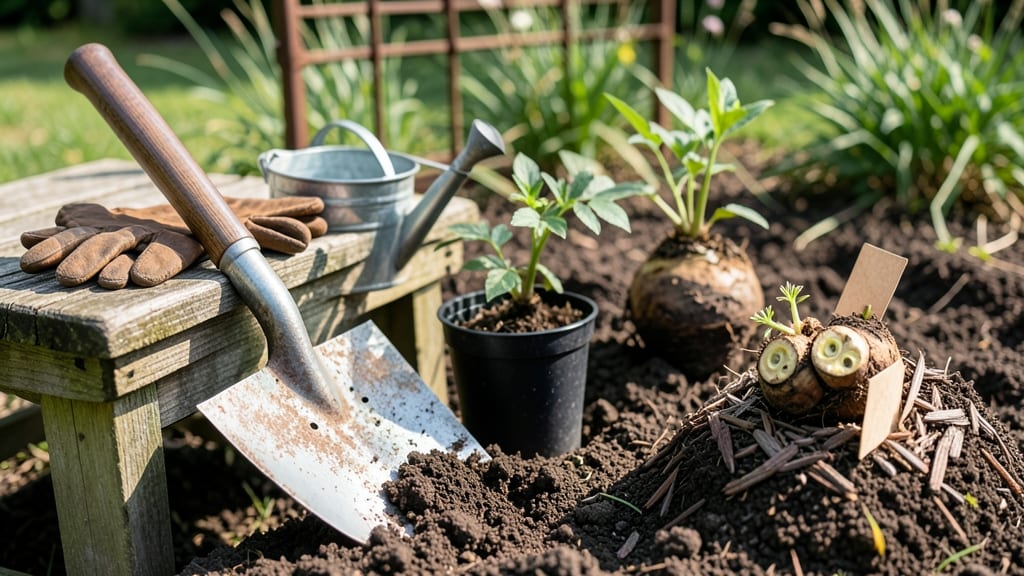
Timing when to plant dahlias in Kentucky just right can mean the difference between a garden bursting with 🌸 vibrant blooms and a season of disappointment.
The exact window for planting these showstopper flowers depends on your hardiness zone—and getting it wrong could leave your tubers vulnerable to frost or your blooms struggling in the heat.
Most Kentucky gardeners in zone 6a should wait until after the last frost, typically mid-April to early May, when soil temperatures hit at least 55°F. But here’s the catch: planting too early risks frost damage, while waiting too long might cut your blooming season short.
I’ll break down the precise timing you need to maximize those bold, summer-long flowers—plus how to prep your dahlias for Kentucky’s humid climate.
You’ll also discover how to protect your plants from late frosts, the best soil prep for Kentucky’s clay-heavy ground, and when to fertilize for maximum impact. With these tips, you’ll avoid common mistakes that even experienced gardeners make—and enjoy dahlias that steal the show from July through October.
Ready to transform your garden? Let’s dive into the step-by-step schedule that’ll have your dahlias thriving all season long.
Kentucky planting dates for dahlias by hardiness zone (exact months)
Kentucky’s USDA zones 6b-7a mean your dahlia planting window is tight—just 6-8 weeks between last frost and peak summer heat. Miss this window, and you’ll either lose tubers to frost or struggle with wilting blooms. Here’s your exact planting schedule based on Kentucky’s climate patterns.
Most of Kentucky falls in zone 6b, where the average last frost date is April 15. However, microclimates in western KY (zone 7a) can push that back to April 22. Always check your local Kentucky Mesonet or UK Extension Service for real-time updates.
For tuber planting (the most common method), aim to plant 2-4 weeks after your last frost. In Kentucky, that’s typically mid-April to early May. If you’re starting dahlias from seed, begin indoors 8-10 weeks before last frost (early February).
Soil temperature is critical—dahlias need 60°F+ soil to thrive. Use a soil thermometer to confirm. In Kentucky’s clay-heavy soil, warming can lag behind air temperatures, so don’t rush planting just because the air feels spring-like.
Here’s your Kentucky-specific planting timeline, including frost risk and ideal transplant windows:
| Zone | Last Frost Date | Ideal Planting Window | Soil Temp Requirement | Notes |
|---|---|---|---|---|
| 6b (Most of KY) | April 15 | April 29 - May 12 | 60°F+ | High humidity; mulch to retain moisture. |
| 7a (Western KY) | April 22 | May 6 - May 19 | 60°F+ | Longer growing season; consider fall planting. |
| All Zones | First Frost: Oct 15 | Late July - Early Aug (Fall Option) | 60°F+ | Extended blooms; dig tubers before frost. |
For extended blooms, try a fall planting in late July to early August. Choose heat-tolerant varieties like ‘Café au Lait’ or ‘Thomas Edison’ for Kentucky’s humid summers. Just
If you’re starting dahlias from seed, begin indoors in early February. Transplant seedlings outdoors 2-3 weeks after last frost, but harden them off first to avoid shock. Seed-grown dahlias may not bloom as heavily in their first year, but they’re a great way to save money and experiment with varieties.
Pro tip: Use black plastic mulch to warm soil faster in Kentucky’s clay-heavy gardens. This can push your planting window 1-2 weeks earlier and give your dahlias a head start. Just remove it once soil is warm enough to prevent overheating.
Always monitor your local frost forecast—Kentucky’s spring and fall can be unpredictable. A late frost in May or an early one in October can wipe out unprotected dahlias. Keep a row cover handy for emergencies.
Now that you’ve got your planting dates locked in, let’s talk soil prep and spacing—Kentucky’s climate demands extra care to keep dahlias thriving. 🌸
How to prepare dahlias for Kentucky’s climate: soil, spacing, and frost protection
Kentucky’s humid summers and variable frost dates demand extra prep work for dahlias. The key to success starts with soil preparation—especially if you’re dealing with the state’s famous clay-heavy soil.
I’ve found that amending the soil with compost and sand improves drainage, which is critical for preventing tuber rot. Aim for a mix that’s 60% native soil, 30% compost, and 10% perlite or coarse sand.
Before planting, test your soil’s pH level. Dahlias thrive in slightly acidic to neutral soil (pH 6.5–7.0). If your soil is too alkaline, add sulfur or peat moss to adjust it.
You can grab a soil test kit from your local UK Extension office for precise results—Kentucky’s climate can make a big difference in what amendments you’ll need.
Spacing is another critical factor for Kentucky gardeners. Dahlias need 12–18 inches of space between plants to allow airflow and prevent powdery mildew, which thrives in our humid climate.
For taller varieties (over 4 feet), space them 24 inches apart and provide stakes or cages early to support their weight. I’ve seen dahlias topple in Kentucky’s summer storms without proper support!
If you’re planting in late spring (after the ideal window), protect your tubers with row covers or cloches until the soil warms up. For extra insurance, I use black plastic mulch to absorb heat and speed up soil warming.
This trick has helped me extend my planting season by 1–2 weeks without risking frost damage.
Don’t forget to harden off your dahlias if you’re starting them indoors. Kentucky’s transition from cool spring nights to hot summer days can shock tender plants. Gradually expose them to outdoor conditions over 7–10 days before transplanting. This simple step boosts their resilience against our unpredictable weather shifts.
Finally, mulch your dahlias with 2–3 inches of straw or shredded leaves after planting. This helps retain moisture, suppress weeds, and protect tubers from late spring frosts.
In Kentucky’s Zone 6a–7a, a sudden cold snap in May isn’t unheard of—so keep an eye on the forecast and cover plants if frost is predicted.