
Planting
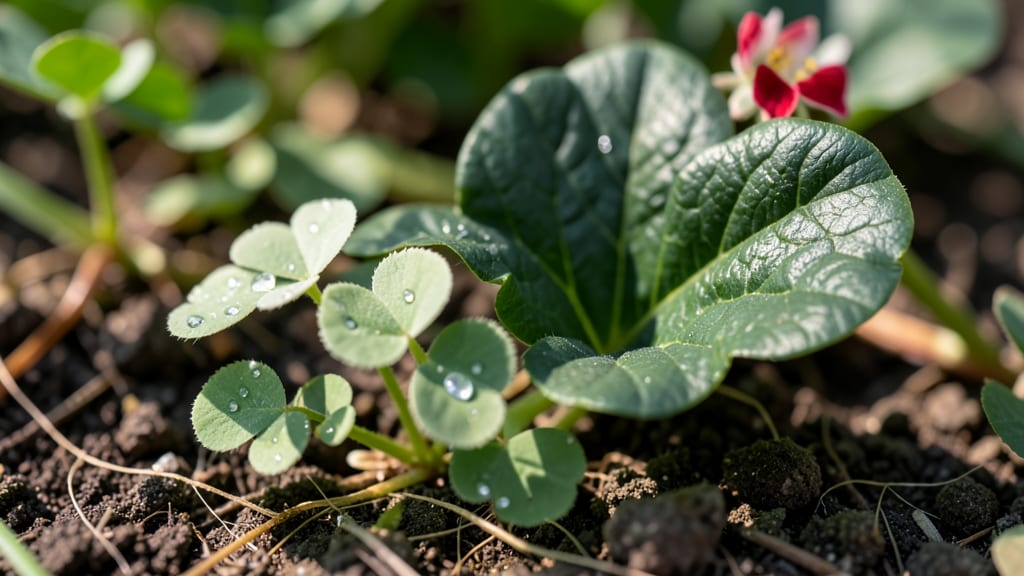
Knowing when to plant deer food plots in Kentucky can transform your hunting property from a deer magnet to a year-round buffet—if you time it right.
The Bluegrass State’s 6a-7b climate gives you two prime windows: late winter/early spring and early fall, but missing the mark means wasted seed and disappointed bucks.
Let’s cut through the guesswork. Whether you’re planting clover for spring greens or brassicas for fall forage, the last frost date (March 15) and soil temperature are your best friends.
We’ll break down the exact months to sow, how to prep your soil like a pro, and which crops deer can’t resist—plus the mistakes that even experienced hunters make.
You’ll also discover how Kentucky’s USDA resources can help you choose the right mix for your land, from warm-season plots that thrive in summer heat to frost-tolerant varieties that keep deer fed through winter.
No more second-guessing—just a clear, step-by-step plan to grow food plots that work as hard as you do.
Ready to turn your property into a whitetail paradise? Let’s get planting—the right way, the first time.
Kentucky’s best months to plant deer food plots by season
Planting deer food plots in Kentucky isn’t just about throwing seeds into the ground—it’s about aligning your planting schedule with temperature shifts, soil conditions, and deer feeding patterns. The Bluegrass State’s USDA Zones 6a-7b offer two prime windows: late winter/early spring and early fall.
Each season brings unique advantages, from rapid spring growth to fall’s nutrient-rich harvest before winter. Let’s break down the ideal timing for each.
Spring planting (February–March) capitalizes on Kentucky’s mild winters and increasing daylight, giving plots 3–4 months to establish before summer heat. This window is perfect for cool-season crops like clover and brassicas, which deer love but struggle to find naturally in early spring.
The key? Plant after the last frost date (around March 15) but before soil temperatures hit 75°F—typically by late April.
Fall planting (August–September) is my top recommendation for Kentucky whitetails. Why? Fall plots provide high-protein forage when natural food sources dwindle, and deer rely on them most during rut season (October–November).
Warm-season crops like sorghum-sudangrass mixes thrive when planted in August, while winter peas sown in September offer late-season nutrition. The goal is to have plots mature by October for peak deer activity.
Here’s the seasonal breakdown you need to know, including soil prep, rainfall needs, and deer preference factors for each window:
| Season | Best Months | Soil Temp | Rainfall Needs | Deer Preference | Plot Height Goal |
|---|---|---|---|---|---|
| Spring | February–March | 45–65°F | 1–1.5" weekly | High (limited natural forage) | 12–18" by May |
| Summer | July (emergency) | 75–85°F | 0.75–1" weekly | Moderate (drought stress) | 6–12" by August |
| Fall | August–September | 60–75°F | 1–1.5" weekly | Very High (rut season) | 18–24" by October |
| Winter | None (dormant) | N/A | Minimal (snow cover) | Low (natural browse) | N/A |
Kentucky’s variable rainfall plays a critical role in plot success. Spring planting requires consistent moisture to prevent crusting, while fall plots benefit from September showers that kickstart growth. Pro tip: Use a rain gauge to track weekly totals—aim for 1–1.5 inches during establishment.
If drought hits, supplement with deep watering (1 inch per week) in the early morning to reduce evaporation.
Don’t overlook soil preparation—Kentucky’s clay-heavy soils need amendments for optimal drainage. Before planting, conduct a soil test (aim for pH 6.0–7.0) and till the top 6–8 inches to loosen compaction.
Add compost or aged manure for organic matter, which improves water retention and nutrient availability. Skipping this step often leads to poor germination and stunted growth, even with the best seeds.
For maximum deer impact, time your plots to align with whitetail behavior. Spring plots should be ready by April–May when bucks shed antlers and does nurse fawns.
Fall plots, however, are non-negotiable—October–November is when bucks are most active, and a well-timed food source can mean the difference between a healthy rut and a weakened herd. Plan to have plots mature by October 1st for peak utilization.
Local microclimates matter too. In
Kentucky’s best months to plant deer food plots by season
Timing is everything when planting deer food plots in Kentucky’s USDA Zones 6a-7b. The state’s 180-210 frost-free days create two prime windows: late winter/early spring and early fall. Each offers unique advantages, from soil warmth to rainfall patterns that boost forage growth and deer attractiveness.
Spring plantings (February–March) capitalize on Kentucky’s mild winters and increasing daylight, giving plants a head start before summer heat. Fall plantings (August–September), however, avoid early-season pests and drought stress while providing late-season nutrition for bucks gearing up for rut.
Let’s break down the ideal months and what to watch for in each season.
| Season | Best Planting Months | Soil Temp | Rainfall | Deer Preference |
|---|---|---|---|---|
| Spring | February–March | 45–55°F | 3–4 inches/month | High (new growth) |
| Summer | July (emergency only) | 70–85°F | 4–5 inches/month | Low (heat stress) |
| Fall | August–September | 60–70°F | 3–4 inches/month | Very High (rut prep) |
| Winter | None (dormant) | Below 40°F | 2–3 inches/month | N/A |
For spring plantings, aim to seed 4–6 weeks before last frost (typically by March 15). This gives crops like clover and brassicas time to establish roots before Kentucky’s hot, humid summers arrive.
Test soil pH (ideal 6.0–7.0) and amend with lime or sulfur—our team’s biggest lesson? Skipping soil prep leads to stunted growth and less deer traffic.
Fall plantings in August–September are ideal for warm-season mixes like sorghum-sudangrass. These thrive in Kentucky’s warm soil and provide late-season forage when bucks need peak nutrition. Plant 60–90 days before first frost (usually by November 15) to ensure maturity.
Pro tip: Use a cover crop like winter rye to protect soil over winter.
Summer plantings are risky in Kentucky due to heat stress and drought, but emergency plots (e.g., labeled brassicas) can work in July if irrigated daily. Always prioritize shade-tolerant varieties like turnips, which deer love even in 90°F+ temperatures.
Our team once lost a $500 plot to a heatwave—don’t make the same mistake!
Regardless of season, mow or disk old plots before replanting to prevent disease buildup. Kentucky’s humid climate makes fungal issues common, so rotate crops yearly. For extra deer appeal, interplant clover with brassicas—bucks adore the mix of protein and legumes.
Always check with the KY Department of Fish & Wildlife for local regulations before planting.
Remember: Deer don’t read calendars, but they do notice lush, well-timed food plots. With these seasonal guidelines, you’ll create a year-round buffet that keeps whitetails coming back—even during lean months. Happy planting! 🌾