
Plants
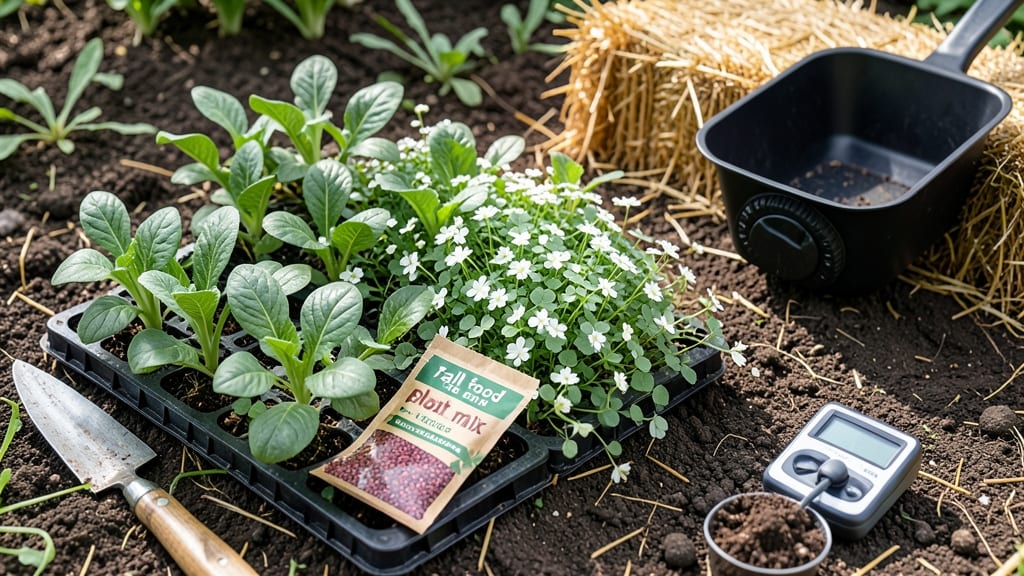
When to plant fall food plots in Georgia could mean the difference between a lush late-season buffet for deer and a frost-killed disappointment. With Georgia's varied climate zones—from the cooler North GA mountains to the milder South GA coastal plains—getting the window right is everything.
You've got just a 6-8 week window to plant before the first frost hits (usually mid-November), but don't wait too long. Planting too early risks wasted growth, while waiting too late leaves your plot vulnerable to cold snaps.
The ideal timing? Late July through early September, when soil temps stay warm enough for strong germination.
This isn't just about dates—it's about matching your crops to Georgia's 7a-8b zones. Fast-growing brassicas need that late-summer start, while clovers and rye benefit from September planting to establish roots before winter.
I'll break down exactly which crops thrive in each zone and how to prepare your soil for maximum success.
Ready to transform your property into a deer magnet? Let's dive into the soil temperature thresholds, frost-free deadlines, and crop selection strategies that will have your food plots thriving when hunting season kicks off. Your late-season success starts with these critical timing decisions.
Georgia fall food plot planting dates by climate zone (soil temp & frost risks)
Georgia’s diverse climate—from the North Georgia Mountains to the South Georgia Coastal Plain—means your fall food plot timing depends on your specific USDA hardiness zone. Plant too early, and frost will kill tender seedlings; too late, and deer won’t have enough forage before winter.
Here’s your zone-by-zone guide to nail the 60–90-day maturity window most deer forage species need.
First, check your soil temperature—most fall crops thrive when it’s between 50°F and 65°F. Use a soil thermometer to confirm before planting. In Georgia, this typically aligns with late August to early September, but zones vary.
For example, Zone 7a (North GA) has a shorter growing season than Zone 8b (South GA), where you might push planting into early October.
Here’s your zone-specific planting timeline, including frost-free deadlines and ideal soil temps for peak deer attraction:
| Zone | Planting Window | Soil Temp Threshold | Frost-Free Deadline | Best Crops |
|---|---|---|---|---|
| 7a (North GA) | Late July – Early August | 50–55°F | October 15 | Crimson clover, radishes, turnips |
| 7b (North GA) | Early August – Mid-August | 55–60°F | October 22 | Arrowleaf clover, oats, winter peas |
| 8a (Central GA) | Mid-August – Early September | 60–65°F | November 1 | Brassicas, rye, brassica mixes |
| 8b (South GA) | Late August – Early October | 65°F+ | November 15 | Fast-growing brassicas, sorghum-sudangrass |
🌱 Pro Tip: Use a soil thermometer to confirm temps before planting—cold soil delays germination.
For whitetail deer forage, aim to have your plot mature by mid-October. Fast-growing crops like radishes and turnips can be ready in 30–45 days, while clovers and cereal grains take 60–90 days.
In Zone 7a, for example, planting crimson clover in late July ensures it blooms by November, providing late-season nutrition. In Zone 8b, you can push brassicas into early October for a quick deer magnet.
Watch for first frost dates, which vary by zone. In North GA, frost can hit as early as October 15, while South GA may see frost in mid-November.
Planting too close to frost risks seedling damage before establishment. Use a frost calendar (like the National Weather Service’s) to plan your 8-week buffer before the first expected frost.
Soil prep is just as critical as timing. Georgia’s clay-heavy soils in the Piedmont and sandy soils in the Coastal Plain drain differently. Test your soil’s pH (ideal: 6.0–7.0 for brassicas, 6.5–7.5 for clovers) and add lime or sulfur if needed.
Loosen the top 4–6 inches of soil with a till or broadfork to create a seedbed that encourages root growth.
Once planted, water deeply to establish roots before Georgia’s fall droughts set in. Most food plots need 1–2 inches of water weekly until established. In Zone 8b, where rainfall is more reliable, you can reduce watering after germination.
In drier Zone 7a, consider drip irrigation to keep seedlings from drying out.
Finally, monitor deer pressure. A plot that matures too early may get overgrazed before it can regrow. In North GA, where deer populations are high, plant successive crops (e.g., radishes followed by clover) to extend the forage window.
In South GA, where deer are less dense, a single brassica mix planted in early September can provide forage until frost.
Timing your fall food plot right means deer have a late-season buffet while you avoid frost-related failures. Start with your zone’s planting window, confirm soil temps, and prep your seedbed—then sit back and watch the whitetails feast. 🐎
Georgia fall food plot planting dates by climate zone (soil temp & frost risks)
Georgia’s 7 distinct climate zones create wildly different conditions for fall food plots—from the cool North Georgia Mountains to the mild South Georgia Coastal Plain. Planting too early risks frost damage, while waiting too long means your plot won’t mature before winter.
The key? Target soil temperatures between 50–65°F and aim for a 60–90 day maturity window before the first frost.
Most of Georgia experiences its first frost between October 15–November 15, but timing varies by zone. For example, North Georgia (Zone 7a) sees frost as early as October 15, while South Georgia (Zone 8b) can hold off until November 15 or later.
Use this as your backward countdown—plant fast-growing crops like radishes (30 days) 8 weeks before frost, or slower varieties like clover (90 days) 12 weeks out.
| Zone | Planting Window | Soil Temp Threshold | First Frost Date | Ideal Crops |
|---|---|---|---|---|
| North GA (7a) | Late July–Early August | 50–60°F | October 15 | Radishes, Turnips, Rye |
| Central GA (7b) | Early–Mid August | 55–65°F | October 30 | Crimson Clover, Oats, Winter Peas |
| South GA (8a–8b) | Mid–Late August | 60–65°F | November 15 | Arrowleaf Clover, Rape, Annual Ryegrass |
For whitetail deer forage, prioritize crops that mature before frost. Brassicas (radishes, turnips) are deer magnets but only last 60–75 days, while clovers and cereal grains provide long-term browse if planted early enough.
In North Georgia, stick to fast-growing brassicas or oats, while South Georgia can handle slower-growing clovers or winter peas.
Pro tip: Use a soil thermometer to confirm temperatures—cool, wet springs can delay warming. If soil stays below 50°F, wait until it stabilizes to avoid stunted growth. Irrigation becomes critical in drought-prone zones (South GA) to keep seedlings moist until establishment.
Don’t overlook microclimates—low-lying areas frost earlier than ridges. If your property has varied elevations, plant fast crops (radishes) in frost-prone spots and longer-season varieties (clover) in warmer microclimates. Test a small plot first to gauge local conditions before committing to large acreages.
Timing isn’t just about frost—it’s about deer pressure. A plot that matures in late October gives bucks a late-season food source before the rut.
Miss this window, and you’ll be competing with natural browse that’s already established. Mark your calendar now—Georgia’s fall planting window closes faster than you think! 🌾