
Plants
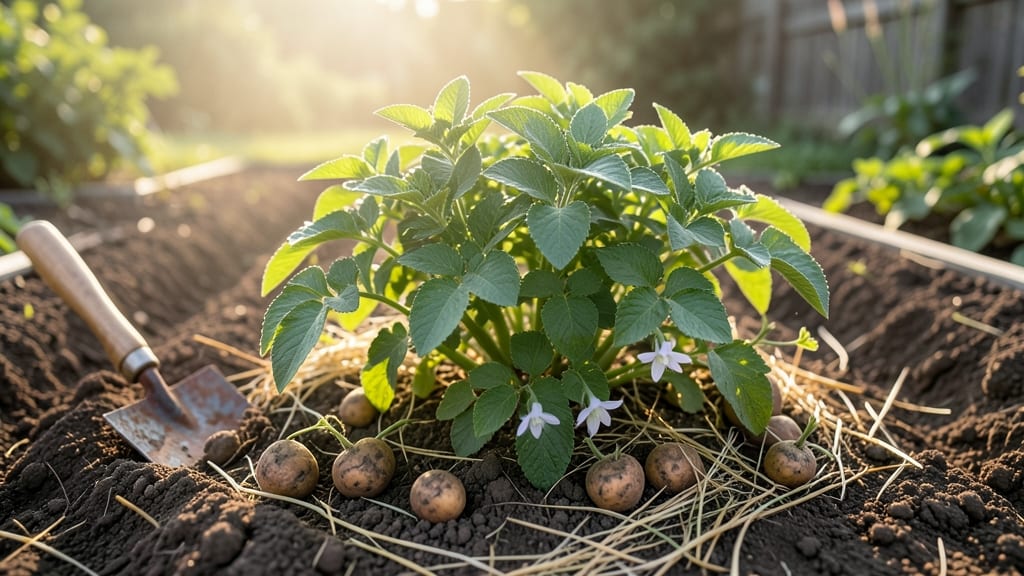
If you've ever planted fall potatoes in Texas only to watch them bolt before frost, you know timing is everything. The difference between a bumper harvest and wasted effort often comes down to those critical weeks before the first freeze.
With Texas' variable climate—especially in zones 8a-10a—getting the schedule right means the difference between a plentiful harvest and empty garden beds.
Most gardeners assume "late summer" means August, but in Texas, that window can vary by 2-4 weeks depending on whether you're in North, Central, or South Texas. Plant too early, and your 🥔 potatoes will flower and go to seed before frost.
Too late, and you’ll miss the 90-120 day growing window needed for mature tubers. The secret? Calculating your personalized planting window based on frost dates—not just the calendar.
This isn’t just about guessing. I’ll show you how to use USDA zone maps and local frost history to pinpoint the exact weeks to plant for your region.
Whether you’re growing Yukon Golds in the Hill Country or Purple Majesties near the Gulf Coast, these strategies will help you avoid common mistakes and maximize your harvest before winter sets in.
Ready to stop the guesswork? Let’s break down the step-by-step approach to planting fall potatoes in Texas—so you can enjoy fresh homegrown spuds from your garden instead of the store.
Texas frost dates and ideal fall potato planting windows by region
Texas’ diverse climate means your fall potato planting window depends heavily on where you garden. North Texas freezes earlier than South Texas, so timing your seed potatoes 4-6 weeks before the first frost is critical.
Miss this window, and your Yukon Golds or Purple Majesties will either bolt too early or rot in the cold.
For example, in North Texas (Zones 7b-8a), the average first frost hits around December 1. That means your last planting window is mid-October to early November for a harvest before winter.
Meanwhile, in South Texas (Zones 9a-10a), you’ve got until late November—but watch for sudden cold snaps!
Here’s the region-specific breakdown you need to nail your harvest timing:
Pro tip: Late-season varieties like Red LaSoda tolerate cooler temps better, giving you a 2-3 week extension in marginal zones. If you’re in Zone 9a or warmer, you can even plant a second crop in early spring—but focus on fall first!
For North Texas gardeners, aim to plant by October 15 to ensure tubers mature before frost. Use row covers if temps dip early—this can push your window back by 2-3 weeks.
In South Texas, you’ve got more flexibility, but don’t wait past October 31 unless you’re using cold-hardy varieties.
Soil temperature matters too: Seed potatoes need soil at 45°F or warmer to sprout. In cooler regions, wait until mid-September to avoid stunted growth. Use a soil thermometer to check—this small tool saves hours of guesswork!
If you’re unsure about your local frost date, check the National Weather Service or your local AgriLife Extension office. They provide 10-year averages that account for climate shifts. For example, Lubbock’s frost date has crept earlier by 5-7 days over the past decade.
Remember: Potatoes need 90-120 days to mature. If you plant too late, your tubers won’t reach harvest size before frost. Start with certified seed potatoes (not grocery store spuds!) to avoid diseases like blight, which thrive in Texas’ humid fall air.
Once you’ve picked your window, mark your calendar for harvest time: aim to dig up tubers 2 weeks before the first frost. Cure them in a cool, dark place for 1-2 weeks to develop that perfect storage skin—this keeps them fresh through winter.
Texas frost dates and ideal fall potato planting windows by region
Texas’ diverse climate means your fall potato planting window depends entirely on your region. In North Texas (Zones 8a-8b), the first frost typically arrives around December 1-15, while South Texas (Zones 9a-10a) may not see frost until January 15 or later.
Central Texas falls somewhere in between, usually November 15-December 1. To avoid bolting, plant 4-6 weeks before frost, but never earlier than mid-August—even in cooler zones.
For example, if your first frost is December 1, aim to plant by October 15. But if you’re in South Texas with a January 15 frost date, you have until mid-December.
The key is matching your potato variety to your region—Yukon Golds (90 days) thrive in North Texas, while Purple Majesty (120 days) works better in warmer South Texas.
🌱 Texas Fall Potato Planting Windows by Region
| Region | USDA Zone | First Frost | Planting Window | Best Varieties |
|---|---|---|---|---|
| North Texas | 8a-8b | Dec 1-15 | Aug 15 - Sep 30 | Yukon Gold, Red Pontiac |
| Central Texas | 8b-9a | Nov 15-Dec 1 | Aug 1 - Oct 15 | Kennebec, Fingerling |
| South Texas | 9a-10a | Jan 15+ | Sep 1 - Nov 1 | Purple Majesty, Russian Banana |
Note: Adjust for early frosts by planting earlier in your window.
Pro tip: Check the National Weather Service or Texas A&M AgriLife for your local frost history—some years, North Texas sees frost as early as November 15, while South Texas might escape until February. Always err on the side of planting later if frost arrives early in your area.
If you’re in Zone 9a or warmer, you can even try a second planting in October for a late harvest. Just choose fast-maturing varieties (60-80 days) like New Potatoes to avoid frost damage. The trade-off? Smaller tubers, but still delicious!
Remember, soil temperature matters too—potatoes need 45-65°F soil to sprout. In North Texas, wait until mid-August when soil warms up; in South Texas, September is ideal. Use a soil thermometer to confirm before planting.
Now that you’ve got your region-specific window, the next step is calculating your exact planting date using frost forecasts. I’ll show you how in the next section—plus how to adjust if Mother Nature throws a curveball.