
Plants
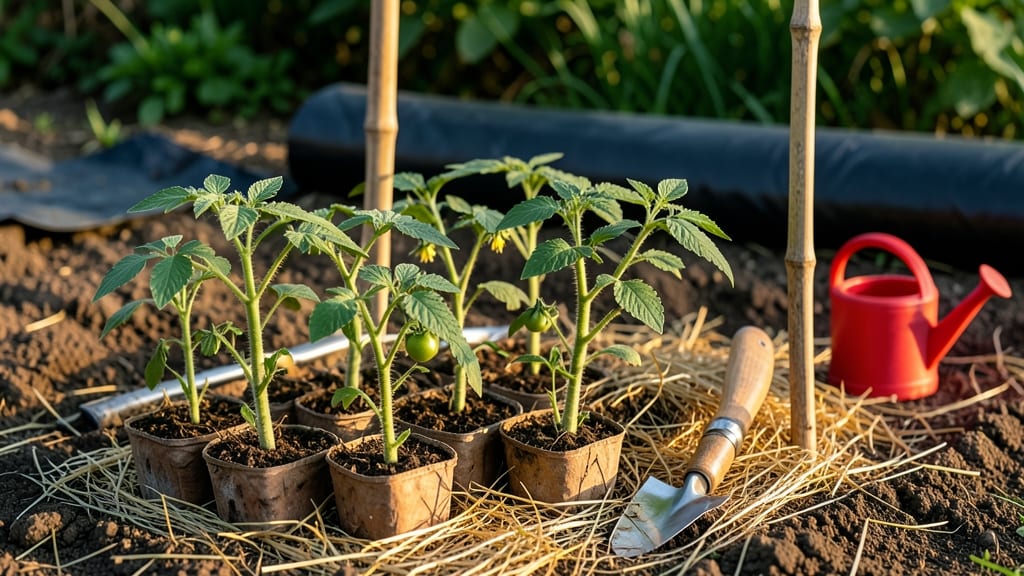
Planting fall tomatoes in Louisiana isn’t just about timing—it’s about outsmarting the state’s brutal summer heat and unpredictable frost. One wrong move, and you’ll either fry your plants or watch them wither before harvest. But get it right, and you’ll enjoy juicy 🍅 tomatoes from October through December, even in zones 8a-9b.
Most gardeners assume fall planting means waiting until September, but Louisiana’s long growing season demands a smarter approach. Starting transplants in late July or early August gives your tomatoes a head start while avoiding the worst heat waves.
This strategy isn’t just theory—it’s what’s worked for local farmers and home growers for decades.
Here’s the game-changer: heat-resistant varieties like ‘Celebrity’ or ‘Heatmaster’ thrive when planted early, while soil temperatures stay above 60°F. We’ll break down the exact county-specific dates you need, plus how to stretch your harvest past the first frost—no guesswork, just proven results for Louisiana’s humid climate.
Ready to grow tomatoes that beat the odds? Let’s dive into the step-by-step schedule, soil prep secrets, and companion plants that’ll make your fall harvest the best yet.
Louisiana fall tomato planting calendar: exact start dates by county and hardiness zones
Timing your fall tomato crop in Louisiana means balancing scorching summer heat with early frost risks. The state’s USDA zones 8a-9b create microclimates where North Louisiana (like Shreveport) freezes earlier than New Orleans.
Your last transplant window is mid-September, but ideal dates vary by 10-14 days across regions.
For seedlings, start indoors 6-8 weeks before your target transplant date. Louisiana’s humid subtropical climate means seedlings need shade cloth if temperatures exceed 90°F during hardening off. Transplant shock is less risky in August’s moderate heat than July’s extremes.
Here’s your county-by-county breakdown, accounting for average first frost dates and heat wave patterns:
| Region | USDA Zone | Transplant Window | First Frost Avg. | Deadline |
|---|---|---|---|---|
| North Louisiana (Shreveport, Monroe) | 8a | August 1–15 | November 15 | September 1 |
| Central Louisiana (Alexandria, Lafayette) | 8b | August 10–25 | November 20 | September 10 |
| South Louisiana (Baton Rouge, Houma) | 9a | August 15–30 | December 1 | September 20 |
| New Orleans/Metro (Zone 9b) | 9b | August 20–September 5 | December 10 | October 1 |
*Adjust dates 1 week earlier for inland areas, 1 week later for coastal zones.
Soil temperature is your true guide, not just calendar dates. Tomatoes need 60°F+ soil to thrive—use a soil thermometer to confirm readiness. In North Louisiana, wait until August 1 to avoid heat stress on young plants. Southern parishes can push transplants until early September thanks to milder nights.
Pro tip: Mulch heavily with straw or black plastic to maintain soil warmth. This buys you 2-3 extra weeks of growing time before temperature drops slow fruit development. Drip irrigation at sunset prevents fungal issues in Louisiana’s 90% humidity.
For container gardening, transplant 2 weeks earlier—pots cool faster. Use black pots to absorb heat and 5-gallon minimum containers for determinate varieties. Trellising improves airflow, reducing blossom end rot risk in high-heat conditions.
Monitor National Weather Service alerts for Tropical Storms—delay planting if heavy rains are forecast. Flooded soil can drown seedlings or leach nutrients critical for fall growth. Elevated beds help in low-lying areas like Lafayette or Houma.
Remember: Late August is your sweet spot for most of Louisiana. By September 15, you’re playing Russian roulette with early frost. Use this calendar as your starting point, then adjust based on local microclimates and weather forecasts.
Best heat-resistant tomato varieties for Louisiana’s fall planting
Louisiana’s sweltering late-summer heat can turn tomato plants into wilting messes—but the right varieties thrive like champs. I’ve grown Celebrity and Heatmaster for years, and they consistently deliver juicy, disease-resistant fruit when other plants struggle. These hybrids aren’t just tough; they’re flavor-packed too, with sweetness that rivals heirlooms.
Heirlooms often falter in Louisiana’s humidity because they lack built-in disease resistance. Varieties like Brandywine or Cherokee Purple might produce stunning fruit, but they’ll spend more time fighting fungal diseases than setting fruit.
For fall planting, I recommend sticking to hybrids bred for heat and humidity—they’ll reward you with consistent harvests until frost.
🌱 Heat-Resistant Tomato Varieties for Louisiana
Celebrity
PROS:
- Disease-resistant
- Reliable yield
- Sweet flavor
CONS: - Smaller fruit
Heatmaster
PROS:
- Thrives in 90°F+
- Early producer
- Resists cracking
CONS: - Less flavor than heirlooms
Solar Fire
PROS:
- Heat-tolerant
- Large red fruit
- Disease-resistant
CONS: - Needs staking
Better Boy
PROS:
- Juicy, beefsteak slices
- Disease-resistant
- High yield
CONS: - Needs support
Mountain Merit
PROS:
- Cold-tolerant
- Disease-resistant
- Great for containers
CONS: - Smaller fruit
Arkansas Traveler
PROS:
- Heat-tolerant
- Early producer
- Disease-resistant
CONS: - Indeterminate (needs pruning)
Sunmaster
PROS:
- Heat-tolerant
- Early producer
- Resists cracking
CONS: - Less flavor
If you’re set on heirlooms, try ‘Heatwave’ or ‘Solar Fire’—they’re the closest you’ll get to that classic flavor without sacrificing heat tolerance. For container gardening, ‘Tiny Tim’ or ‘Patio Princess’ are compact but still produce well in Louisiana’s heat. Just remember: dwarf varieties need consistent watering to prevent stress.
My top pick for Louisiana’s fall planting? Celebrity.
It’s my go-to because it handles the heat, resists diseases like early blight and septoria leaf spot, and still delivers delicious, firm fruit even when temps hover in the 90s. Plus, it’s determinate, so you’ll get a heavy harvest all at once—perfect for canning or sharing with neighbors.
For a longer harvest window, choose indeterminate varieties like Better Boy or Arkansas Traveler. These will keep producing until frost if you provide support (cages or stakes) and regular pruning. Just be prepared to protect them from early October chill with row covers or mulch.
Pro tip: Avoid planting cherry tomatoes like Sweet 100 in fall—they’re more prone to cracking in Louisiana’s humidity. Instead, opt for heat-tolerant slicers that can handle the late-summer heat while still producing quality fruit.