
Plants
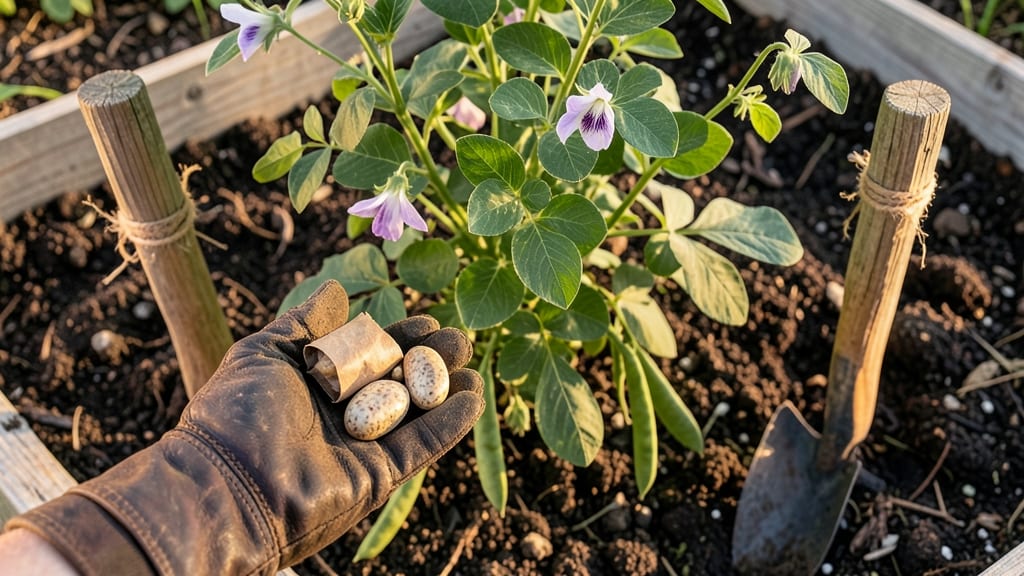
If you're dreaming of a bountiful harvest of fava beans in California, timing is everything—because planting these cool-weather lovers too early or too late can mean the difference between a thriving crop and a sad, wilted mess.
The key? Getting them in the ground when temperatures dip below 75°F, but before winter's chill sets in.
Here's the secret: California's diverse climate means your planting window depends on whether you're near the coast or inland. Coastal gardeners in USDA Zone 10 have a longer window—think October through December—while inland growers in Zone 9 should aim for September to November.
Get this wrong, and you risk heat stress or frost damage, both of which can ruin your crop before it even starts.
I've seen firsthand how a well-timed planting transforms a garden—from struggling seedlings to pods bursting with flavor by spring. Whether you're a seasoned gardener or just starting out, knowing exactly when to plant fava beans in your specific microclimate is the first step to success.
Let's break down the perfect window for your location and how to avoid common pitfalls.
From soil prep to frost considerations, I'll walk you through everything you need to know to ensure your fava beans grow strong and healthy. No more guesswork—just a foolproof guide to California's best planting times for this delicious, nutrient-packed legume. Ready to dig in?
California’s ideal fava bean planting months: avoiding heat stress
Fava beans (Vicia faba) are cool-season powerhouses that bolt and fail when temperatures creep above 75°F. In California’s varied climates—from coastal USDA Zone 10 to inland Zone 9—your planting window hinges on avoiding summer’s relentless heat.
The sweet spot is when daytime highs stay below 70°F, ensuring robust growth and pod development.
For most of California, this means fall planting between September and November. Coastal areas can push slightly later—October to December—thanks to milder winters, while inland valleys should aim for September to early November to beat the first frost (rare but possible by January 1).
Timing isn’t just about months; it’s about soil temperature, which should dip below 75°F before sowing.
Here’s the critical detail: fava beans need 90–120 days to mature, so coastal plantings in late October yield harvests by February–March, while inland plantings in early September finish by December–January. Miss this window, and you’ll face stunted plants, bitter pods, or no harvest at all.
🌱
| Region | Best Planting Window | Soil Temp Goal | Harvest Window | Key Risk |
|---|---|---|---|---|
| Coastal (Zone 10) | October–December | Below 70°F | February–June | Fungal diseases |
| Inland Valleys (Zone 9) | September–November | Below 75°F | March–July | Heat stress |
| Desert (Zone 7-8) | August–September | Below 80°F | November–January | Bolting |
Microclimates matter—even within 50 miles, your fava beans’ fate can shift dramatically. For example, San Francisco’s coastal fog buys you extra weeks of planting compared to Sacramento’s Central Valley heat.
Use a soil thermometer to confirm temps are stable below 75°F before sowing; this is non-negotiable for pod development.
Pro tip: Succession plant every 2–3 weeks from September to November to stagger harvests. This extends your fresh pod supply and reduces the risk of disease spread in dense plantings. Just ensure each batch gets 6+ hours of sunlight daily—shade-tolerant fava beans still need full sun for optimal yields.
Frost is rarely a concern in coastal areas, but inland gardeners should plant by mid-November to avoid January freezes, which can damage tender foliage. If you’re in Zone 9, prioritize fast-maturing varieties like ‘Aquadulce Claudia’ (90 days) to beat the clock.
🌡️
One common mistake? Planting too early in August or early September when soil is still warm. Seeds may sprout, but plants bolt prematurely, producing bitter, woody pods instead of tender harvests. Always test soil temperature at midday—if it’s above 75°F, wait 2–4 weeks.
For container growing, the rules are the same, but 5-gallon pots with well-draining mix work best. Place containers in full sun and water deeply every 5–7 days, as pots dry out faster. This is especially critical in Zone 10, where evaporation rates are higher.
💧
California’s ideal fava bean planting months: avoiding heat stress
California’s diverse climate means your fava bean planting window depends on where you live. Coastal areas like San Francisco and Santa Barbara (USDA Zone 10) have a longer window, while inland valleys like Sacramento (Zone 9) need to plant earlier to escape summer heat.
The golden rule? Soil temperatures must stay below 75°F—any hotter, and your beans will bolt or wilt.
For coastal gardeners, the perfect window is from late September to December. This gives your plants time to establish roots before mild winter rains set in. Inland growers should aim for mid-August to October, as nights cool faster in desert regions but days can still scorch young seedlings.
Here’s the critical detail: First frost dates rarely affect coastal areas, but inland zones (like the Central Valley) may see light frosts by January. Planting too late risks frost damage before harvest, while planting too early means heat stress as temperatures rise in spring.
| Region | USDA Zone | Best Planting Window | Key Risk |
|---|---|---|---|
| Coastal (San Francisco, Santa Barbara) | 10 | Late September–December | Heat stress if planted too early |
| Inland Valleys (Sacramento, Bakersfield) | 9 | Mid-August–October | Frost damage if planted too late |
| Desert (Palm Springs, Joshua Tree) | 8-9 | September–October | Extreme heat if delayed |
Pro tip: Use a soil thermometer to confirm temperatures are below 75°F before planting. I’ve seen gardeners rush seeds into warm soil only to watch their fava beans bolt prematurely—a waste of time and effort. Patience pays off with plump, flavorful pods by spring.
If you’re in a transition zone (like the Bay Area’s East Bay), err on the side of earlier plantingweather forecasts for 10-day highs before committing to a planting date.
Remember, fava beans are cool-season powerhouses, but they’re not frost-hardy. A light frost won’t kill them, but heavy freezes (below 28°F) will. Coastal gardeners can push planting to January with minimal risk, while inland growers should finish by November to avoid winter chill.