
Plants
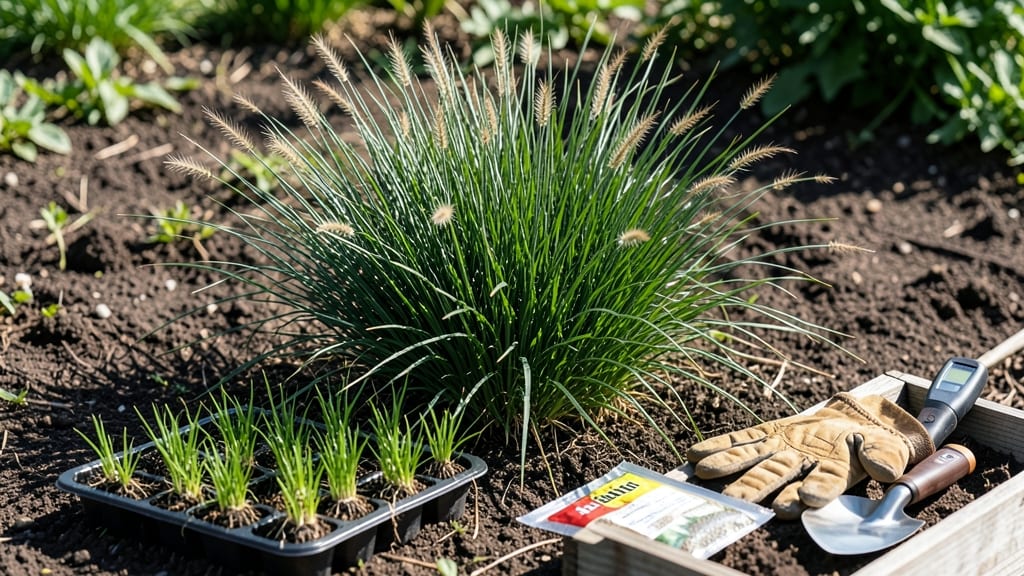
If you're wondering when to plant fescue in Arkansas, timing is the difference between a lush, green lawn and a patchy disappointment.
Arkansas's 7a-8b climate zones mean you’ve got two perfect windows—early spring or early fall—where cooler temps and consistent moisture give your 🌱 fescue the best shot to take root.
Plant too early, and frost can nip your progress in the bud. Too late, and summer’s heat will stress out young grass before it even gets established. The key?
Lock in those ideal months—March to April for spring or September to October for fall—when soil temps hover around 55-65°F and humidity works in your favor.
But here’s the thing: Arkansas weather can be unpredictable. Late frosts in the north or early heatwaves in the south might throw off your plans.
That’s why I’ll walk you through how to adjust your planting schedule based on your specific microclimate—whether you’re in the cooler Northeast or the warmer Southeast.
Ready to turn your yard into a fescue paradise? Let’s break down the exact steps, from soil prep to seed selection, so you can plant with confidence—and watch your lawn thrive all season long.
Best months to plant fescue in Arkansas by microclimate Zone
Arkansas' diverse climate means frost dates and soil temperatures vary dramatically across regions. In the Northwest (USDA Zone 7a), where winters are colder, you'll want to plant 4-6 weeks before the first frost—typically mid-September.
Meanwhile, the Southeast (Zone 8b) offers a longer window, with ideal planting in late March or early October. Understanding these microclimates ensures your fescue seeds germinate in optimal conditions.
For spring planting, aim for March to April when soil temperatures consistently stay above 50°F. This gives your fescue 6-8 weeks of warm weather to establish before summer heat arrives.
In fall, plant September to October to allow roots to develop before winter dormancy. Each Arkansas zone has slight variations, so let's break it down.
| Zone | Last Frost | First Frost | Spring Planting | Fall Planting | Soil Temp |
|---|---|---|---|---|---|
| Northwest (7a) | Mid-March | Mid-November | Late March-April | Mid-Sept-October | 50-60°F |
| Northeast (7a) | Late March | Late November | Early April | Late Sept-October | 50-60°F |
| Central (7b) | Early March | Early November | March-April | September-October | 55-65°F |
| Southwest (8a) | Mid-February | Mid-December | Late February-April | August-October | 60-70°F |
| Southeast (8b) | Early February | Early December | Late March-April | September-October | 60-70°F |
In the Northwest and Northeast, where frost dates are earlier, focus on fall planting to give seeds time to establish before winter. These zones benefit from tall fescue varieties, which handle colder temperatures better.
Meanwhile, the Southeast can plant earlier in spring thanks to milder winters, making fine fescue a popular choice for its shade tolerance.
For all zones, soil temperature is critical. Use a soil thermometer to confirm it's above 50°F before planting. In Central Arkansas, where temperatures fluctuate more, consider early September planting to avoid summer heat stress. This gives your fescue grass time to root before winter sets in.
If you're planting sod instead of seeds, adjust timelines slightly. Sod establishes faster, so you can plant 2-3 weeks later than seeds in each zone. For example, Northwest Arkansas sod can go in early April or late September, while Southeast Arkansas allows March or October planting.
Always check local frost forecasts for the most accurate timing.
Don't overlook soil preparation—Arkansas' clay-heavy soils need organic matter like compost to improve drainage. Test your soil's pH level (ideal: 6.0-7.0) and amend as needed. Well-prepared soil helps seeds germinate faster, especially in hotter zones like the Southwest, where summer heat can dry out new plantings quickly.
Best months to plant fescue in Arkansas by microclimate Zone
Arkansas' diverse climate means frost dates and soil temperatures vary dramatically from Northwest to Southeast. Planting fescue in the wrong window can leave your lawn thin or dead.
Let’s break down the ideal planting months for each of Arkansas’ five microclimate zones, so you get a thick, green lawn every year.
Most Arkansas gardeners aim for early spring (March-April) or early fall (September-October). However, zones like the Arkansas River Valley (Zone 7b) can handle late spring plantings, while the Ozark Mountains (Zone 6b) need earlier starts.
Soil temperature is your best guide—wait until it hits 55°F for at least a week before planting seeds.
⚠️ PRO TIP: Use a soil thermometer to check depth (2-3 inches). If it’s below 50°F, wait. Cold soil slows germination, leading to patchy lawns.
🌱 Arkansas Fescue Planting Calendar by Zone
| Zone | Ideal Planting Window | Last Frost Date | Soil Temp Threshold |
|---|---|---|---|
| Northwest (Zone 6b) | Late March–early April or early September | Mid-April | 55°F+ for 7+ days |
| Northeast (Zone 7a) | Early April or mid-September | Early April | 55°F+ for 5+ days |
| Central (Zone 7b) | Mid-April or late September | Late March | 55°F+ for 5+ days |
| Southwest (Zone 8a) | Late April or early October | Early March | 60°F+ for 5+ days |
| Southeast (Zone 8b) | May or October–November | Mid-February | 60°F+ for 5+ days |
*Source: Arkansas Climate Office, USDA Plant Hardiness Zone Map 2024
For sod installation, Arkansas gardeners can plant 2-4 weeks earlier than seeds since sod establishes faster. However, avoid planting sod in extreme heat (above 90°F)—it dries out quickly and struggles to root. If you’re in the Southeast, consider October plantings to avoid summer’s brutal heat.
One common mistake? Planting too late in fall. By November, days shorten, and root growth slows. Aim to finish planting by early October in most zones to give fescue 6-8 weeks of warm weather to establish before winter. In Zone 6b (Ozarks), wrap up by mid-September.
Need a backup plan? If unpredictable Arkansas weather throws off your timing, late August is a secondary window for Northern Arkansas. Just be prepared to water daily until germination (about 14-21 days) to help seeds beat summer’s heat.