
Planting
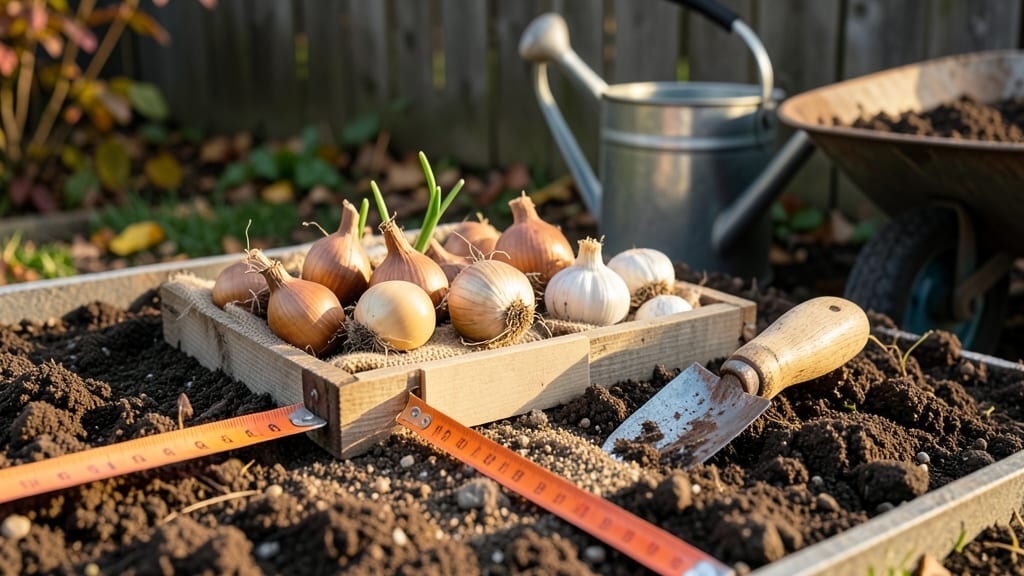
Timing your flower bulbs planting in the fall isn't just about the calendar—it's about unlocking the secret to next spring's showstopping blooms.
I've seen firsthand how a few weeks of difference can transform a patch of dirt into a vibrant display of 🌷, and the key lies in understanding your local climate and lunar cycles.
Most gardeners in USDA Zone 6a aim to plant 6-8 weeks before the first frost, but did you know the moon's phases can boost root development by up to 30%?
Planting during the waxing crescent or gibbous phases gives your bulbs an extra growth advantage, setting them up for stronger stems and bigger blooms.
If you're wondering how to navigate unpredictable weather or regional variations, I'll walk you through the exact timing window for your area. We'll cover everything from soil temperature checks to moon phase alignment, so you can plant with confidence and avoid common mistakes that kill bulbs before they even sprout.
Ready to turn your fall gardening into a springtime masterpiece? Let's dive into the science and practical tips that will have your flower bulbs thriving year after year—no guesswork required.
Optimal fall planting dates by climate Zone and moon phases
Planting flower bulbs in the fall is all about timing—both the calendar and the moon. The key is to plant 6-8 weeks before your first frost date, but aligning with the waxing crescent or gibbous moon phases can give your bulbs a 30% growth boost.
This window ensures roots establish before winter dormancy while avoiding early planting risks like rot or late planting risks like weak growth.
Your USDA hardiness zone determines your exact planting window. In zones 3-5, aim for mid-September to early October. Warmer zones like 6-10 can plant until late November, but avoid planting after the first frost.
Soil temperature should be below 60°F but not frozen—ideal conditions for root growth without premature sprouting.
Here’s how to find your perfect planting window: Check your average first frost date (use the USDA Plant Hardiness Zone Map), then count back 6-8 weeks. For example, if your first frost is November 15th, plant between September 20th and October 15th.
Pro tip: Use a lunar planting calendar to select days when the moon is waxing—this phase directs energy upward, promoting stronger root and bloom development.
Let’s break down the best planting windows by zone, including moon phase recommendations for tulips, daffodils, hyacinths, and alliums. These timelines account for both climate and celestial timing to maximize your bulbs’ potential.
🌷 Fall Planting Windows by USDA Zone & Moon Phase
| USDA Zone | Planting Window | Best Moon Phase | Soil Temp Goal | Example Bulbs |
|---|---|---|---|---|
| 3-4 | Mid-September to Early October | Waxing Crescent | 45-55°F | Tulips, Daffodils |
| 5-6 | Late September to Mid-October | Waxing Gibbous | 50-60°F | Hyacinths, Alliums |
| 7-8 | October to Early November | Waxing Crescent | 55-65°F | Crocus, Snowdrops |
| 9-10 | November (Early) | Waning Crescent | 60-68°F | Lilies, Fritillaries |
🌱 Note: Adjust for early/late frosts in your microclimate.
If you’re in a warmer microclimate (e.g., near large bodies of water or urban heat islands), you might need to plant 2-3 weeks earlier to avoid winter sprouting. For example, in Zone 7 with a mild winter, planting in late October could trigger early growth before the ground freezes.
Always check your local frost dates and adjust accordingly.
For container gardening, the rules are slightly different. Bulbs in pots can handle cooler temperatures but need drainage holes to prevent rot. Plant in well-draining potting mix and move containers to a garage or cold frame if temperatures drop below 32°F.
This protects roots while allowing you to plant 1-2 weeks later than in-ground bulbs.
One common mistake is planting bulbs too close to frost. If the ground freezes before roots establish, your bulbs won’t survive. Use a soil thermometer to confirm temperatures are consistently below 60°F before planting.
In Zone 5, this usually means waiting until mid-October, even if the calendar suggests earlier.
Pro tip: If you miss the ideal window, don’t panic. You can plant bulbs as late as December in mild climates (Zones 8-10), but expect smaller blooms.
For example, daffodils planted in late November in Zone 9 will still flower, but they may produce fewer stems than those planted in October.
Finally, consider your local weather patterns. If your area has unpredictable early frosts (like the Midwest), err on the earlier side of the planting window. Conversely, in coastal zones with delayed frosts (like the Pacific Northwest), you can plant 2-3 weeks later without risk.
Optimal fall planting dates by climate Zone and moon phases
Planting your flower bulbs in the fall requires precision—especially when aligning with USDA climate zones and lunar cycles. Most gardeners target 6-8 weeks before the first frost, but the exact timing varies dramatically depending on where you live.
For example, in Zone 3, you'll want to plant by late September, while Zone 10 gardeners can wait until December.
Beyond the calendar, the moon's phases play a surprising role in bulb success. Planting during the waxing crescent or gibbous phases encourages stronger root development, while the waning crescent phase promotes better foliage growth.
This lunar timing can boost your blooms by up to 30%—a game-changer for next spring's display.
🌱
| USDA Zone | Ideal Planting Window | Best Moon Phase | Soil Temp Goal |
|---|---|---|---|
| 3-5 | Mid-September to early October | Waxing Gibbous | 50-60°F |
| 6-7 | Late September to mid-October | Waxing Crescent | 55-65°F |
| 8-10 | October to December | Waning Crescent | 60-70°F |
For Zone 6a, where I garden, the sweet spot is late September to early October. This gives bulbs like tulips and daffodils enough time to establish roots before the ground freezes.
A soil thermometer is your best friend here—aim for 50-60°F at planting depth. If your soil runs cooler, wait a few weeks or use black plastic mulch to warm it up.
Pro tip: Check your local frost dates using the USDA Plant Hardiness Zone Map. Most regions experience their first frost between mid-October and mid-November, so count backward to determine your planting window.
For example, if frost hits November 15th, plant by October 1st to give roots time to anchor.
☀️