
Flowers
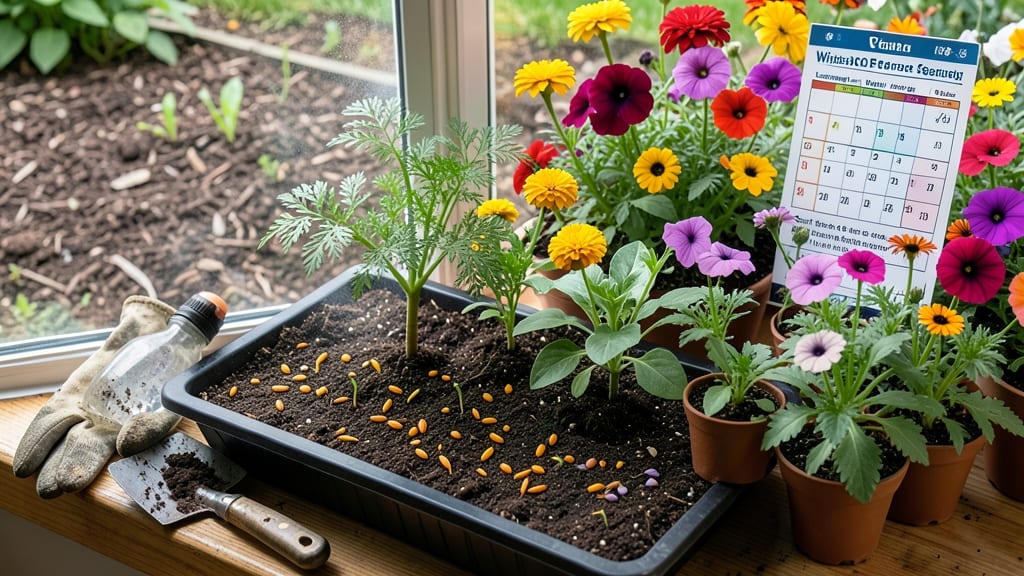
Timing your flower seeds 🌸 planting in Wisconsin can mean the difference between a vibrant garden and a sad, frost-killed disappointment. With last frost dates shifting from mid-April in the north to early May in the south, getting it wrong by even a week could cost you your entire season.
I’ve spent years growing everything from hardy coneflowers to tender marigolds in Wisconsin’s 4a-6b zones, and the key isn’t just knowing when to plant—it’s understanding how microclimates (like urban heat islands vs. rural chill) change the rules.
Whether you’re in Madison’s warmer pockets or Green Bay’s cooler stretches, these deadlines will keep your blooms thriving.
You’ll discover the exact planting windows for spring and fall, plus how to adjust for indoor starts vs. direct sowing. No more guessing—just proven timelines that match Wisconsin’s fickle weather patterns.
Let’s dive into the strategies that’ll have your garden bursting with color from July through September, no frost-related surprises included.
Wisconsin’s frost-free planting zones: when to plant flower seeds by region
Wisconsin’s USDA Hardiness Zones 3-5 create dramatic differences in frost-free dates—sometimes by weeks—between northern and southern regions. For example, Green Bay (Zone 4b) typically sees its last frost around May 10, while Madison (Zone 5b) averages May 1.
These variations mean your marigold seeds might thrive in southern Wisconsin but fail in the north if planted at the wrong time.
Microclimates add another layer of complexity. Urban areas like Milwaukee often warm up faster than rural zones due to heat islands, while lakeside gardens near Lake Michigan may experience delayed frost dates. Always check your local frost-free averages—not just the zone—before planting cosmos or zinnias.
🌱
🌡️ Wisconsin Flower Seed Planting Zones Comparison
| Region | USDA Zone | Avg. Last Frost | Avg. First Frost | Best Flowers for Zone | Planting Window |
|---|---|---|---|---|---|
| Northern WI (Green Bay) | 4a-4b | May 10-15 | September 20-25 | Pansies, Snapdragons, Sweet Alyssum | May 15 - June 15 |
| Central WI (Madison) | 5a-5b | May 1-5 | October 5-10 | Marigolds, Zinnias, Sunflowers | April 25 - May 30 |
| Southern WI (Milwaukee) | 5b-6a | April 25-May 1 | October 10-15 | Petunias, Cosmos, Dahlias | April 15 - June 1 |
| Lakeside (Lake Michigan) | 5a-5b | May 5-10 | October 1-5 | Black-Eyed Susans, Coneflowers | April 20 - May 25 |
Adjust dates 1-2 weeks earlier for urban heat islands or later for high-elevation gardens.
For annual flowers like petunias, timing is everything. In Zone 4b, wait until after May 15 to avoid frost damage, while Zone 5b gardeners can start cosmos seeds as early as April 25.
Perennials like coneflowers are more forgiving—plant them in early spring (March-April) or early fall (September) for best results.
Pro tip: Use frost-free date calculators like the Old Farmer’s Almanac or your local Cooperative Extension Service for hyper-localized advice. Even a 5-day difference can mean the difference between full blooms and frost-nipped seedlings.
🌿
If you’re in northern Wisconsin, focus on cold-hardy annuals like pansies and snapdragons, which tolerate light frosts. Southern Wisconsin gardeners can experiment with heat-loving flowers like zinnias and sunflowers, but plant them after May 10 to avoid late-spring frosts.
For fall planting, aim for 8-10 weeks before your first frost. In Madison (Zone 5b), that means August 15-September 15 for sweet alyssum or calendula. In Green Bay (Zone 4b), push it to August 1-September 1 to ensure blooms before winter.
🌸
Remember: Soil temperature matters just as much as air temperature. Most flower seeds need soil at least 50°F (10°C) to germinate. Use a soil thermometer to check—especially in April—before planting marigolds or nasturtiums.
Finally, succession planting extends your bloom time. In Zone 5b, sow cosmos seeds every 3 weeks from May to July for continuous color. In Zone 4bnonstop blooms.
Indoor seed starting vs. direct sowing: the Wisconsin gardener’s timeline for zero frost risk
Timing your flower seeds correctly in Wisconsin means balancing indoor seed starting with direct outdoor sowing—both have precise deadlines to avoid frost damage. I’ve planted everything from delicate petunias to hardy cosmos, and these rules have saved my garden from late-spring surprises every time.
For tender annuals like marigolds or zinnias, start seeds indoors 6–8 weeks before your average last frost date. In Wisconsin’s Zone 4–5 (northern regions), that’s typically mid-February to early March. Southern Wisconsin (Zone 5–6) can wait until late March—but always check your local frost-free date.
🌱 Numbered Highlights: Critical Deadlines by Flower Type
- 🌱 Cool-Season Flowers (pansies, snapdragons): Start indoors 8–10 weeks before last frost or direct-sow 4–6 weeks before.
- 🌻 Moderate-Season Flowers (marigolds, cosmos): Start indoors 6–8 weeks before last frost or direct-sow 2–4 weeks after.
- ☀️ Heat-Loving Flowers (zinnias, sunflowers): Start indoors 4–6 weeks before last frost or direct-sow after soil warms to 60°F.
- 🍂 Fall Planting (calendula, sweet alyssum): Direct-sow 8–10 weeks before first frost (late July–early August).
Adjust timelines 1–2 weeks earlier for southern Wisconsin (Madison, Milwaukee) and later for northern areas (Green Bay, Eau Claire).
Direct sowing is simpler but riskier—only do it for frost-tolerant flowers like pansies or lupines. Wait until soil temps hit 50°F (10°C) and the last frost date has passed.
In most of Wisconsin, that’s mid-May, but urban areas (like Milwaukee) may be 1–2 weeks earlier due to the heat-island effect.
Fall planting is a Wisconsin gardener’s secret weapon. Sweet alyssum and calendula thrive when sown 8–10 weeks before first frost (typically late July–early August). These flowers bloom until hard frosts hit, giving you extra color in autumn.
Pro tip: Use a seed-starting heat mat to speed up germination indoors, especially for slow growers like hollyhocks. And always harden off seedlings for 7–10 days before transplanting—Wisconsin’s windy conditions can shock young plants.
Missed the spring window? Don’t panic! Succession planting every 2–3 weeks ensures continuous blooms. Just adjust your timeline: late May plantings will bloom later, but you’ll still enjoy flowers until frost.