
Flowers
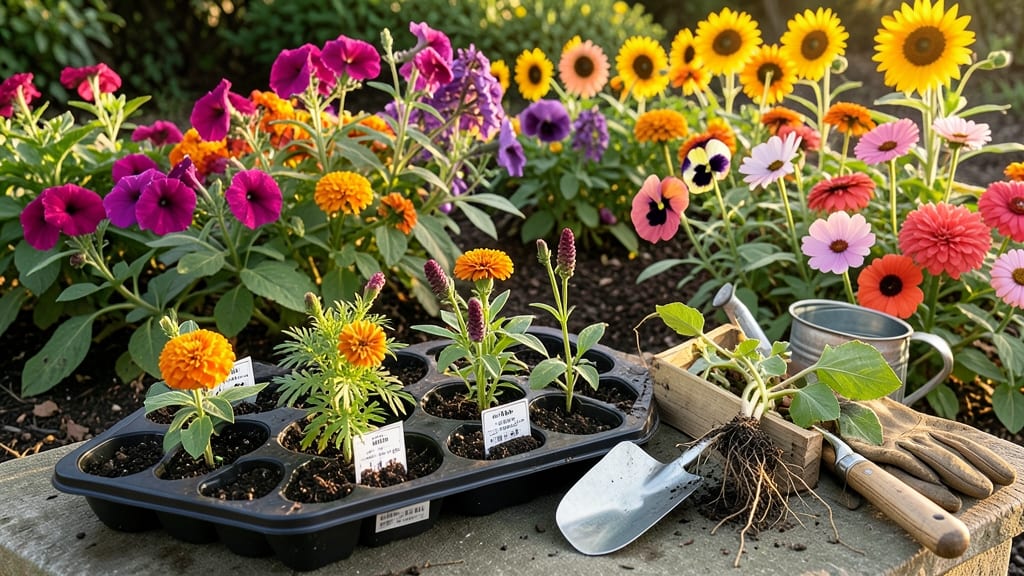
Timing your flowers planting in Boise, Idaho, isn’t just about avoiding frost—it’s about matching each bloom’s chill-hour needs to our 6b zone’s quirks. Skip the guesswork and you’ll skip the sad, wilted petals that come from planting too early or too late.
Boise’s short growing season and altitude mean your 🌸 might need a head start. Some perennials, like coneflowers, thrive when planted in early spring, while tender annuals like zinnias wait until after April 15—our last frost date. Fall planting? That’s your secret weapon for next year’s color.
I’ll break down the exact months to plant everything from bulbs to heat-loving annuals, so you can enjoy blooms from June through October without the stress. Let’s turn Boise’s unpredictable climate into your garden’s superpower.
Ready to stop second-guessing and start blooming? Here’s your step-by-step chill-hour calendar for reliable, showstopping flowers—no matter what Boise throws your way.
Boise’s flower planting zones: chill-hour requirements by flower type
Boise’s USDA Zone 7a/7b climate means we get 300-500 chill hours annually—just enough to grow cold-hardy perennials but not enough for tropical flowers. Matching your flowers to Boise’s chill-hour requirements ensures they thrive without freezing or struggling to bloom.
For example, tulips need 120-150 chill hours, while dahlias require 150-200 hours. If you plant the wrong variety, you’ll end up with no blooms or floppy stems. Let’s break down the best matches for Boise’s climate.
Here’s how to use this table: Check the chill-hour range for your favorite flowers, then plant them in Boise’s optimal windows (spring or fall). For instance, peony lovers should plant in September—they need 300+ chill hours and hate being disturbed.
| Flower Type | Chill-Hour Needs | Best Planting Time | Boise Notes |
|---|---|---|---|
| Perennials (Peony, Coneflower) | 300-500 hrs | September-October | Cold-hardy; mulch in winter |
| Bulbs (Tulip, Daffodil) | 120-150 hrs | October-November | Plant early; avoid spring planting |
| Annuals (Marigold, Zinnia) | 0-50 hrs | After May 15 | Heat-lovers; start indoors |
| Shrubs (Butterfly Bush) | 200-300 hrs | April-May | Prune in late winter |
If you’re tempted to plant tropical flowers like hibiscus, Boise’s winters will kill them unless you grow them in containers and bring them indoors. Instead, opt for native Boise flowers like lupine or blanket flower, which thrive with minimal chill hours and drought tolerance.
Pro tip: Use row covers in early spring to protect tender perennials from late frosts. I’ve saved delphiniums this way for years—just drape them over plants after the April 15 frost date.
For container gardening, choose heat-tolerant annuals like portulaca or lantana, which bloom nonstop even when Boise hits 95°F. These need full sun and well-draining soil, so amend your pots with perlite or sand.
Remember: Boise’s altitude (3,200 ft) means cooler temps than lower elevations. Plant two weeks later than neighbors in Zone 8 to avoid frost damage. Check your microclimate—south-facing slopes warm up faster than shady yards.
Finally, test your soil before planting. Boise’s clay soil drains poorly, so mix in compost or use raised beds. A simple pH test kit ($10 at garden centers) tells you if your soil is too acidic for blooms like hydrangeas (they love acidic soil).
Now that you’ve matched your flowers to Boise’s chill hours, let’s dive into the month-by-month planting schedule to maximize your garden’s potential. 🌸
Best month-by-month planting schedule for Boise gardens
Boise’s 150 frost-free days and USDA Zone 7a/7b climate demand precise timing for flower planting. Missing the window means risking frost damage or stunted growth, while planting too early can lead to bolting. Here’s my battle-tested schedule to maximize blooms from spring through fall.
For spring planting, aim for late April to early June—after Boise’s average April 15 last frost date. This gives tender annuals like petunias and marigolds enough time to establish before summer heat arrives.
Perennials like coneflowers and black-eyed Susans can go in as early as March if you use frost blankets.
Fall planting in Boise offers a second chance for cool-season flowers. Start August through early September with pansies, snapdragons, and asters—these thrive with Boise’s chill-hour requirements (300–600 hours). Bulbs like tulips and daffodils should go in by October 15, before the first frost.
Container gardeners in Boise face unique challenges due to urban heat islands. Move potted flowers to shadier spots during July’s 100°F+ days and use self-watering pots to prevent drought stress. Extend your season by planting cool-season annuals in containers in mid-September—they’ll bloom until hard frost.
Pro tip: Use Boise’s microclimates to your advantage. South-facing slopes warm up faster—ideal for early spring planting—while north-facing yards stay cooler, perfect for shade-loving impatiens or coleus. Always check soil temps with a soil thermometer before planting.
Remember, Boise’s altitude (3,280 ft) means nights stay cooler than lower elevations. This gives you a slight edge for fall planting, but don’t delay—October 15 is your cutoff for most flowers. Plan ahead, and you’ll enjoy blooms from May through October!