
Flowers
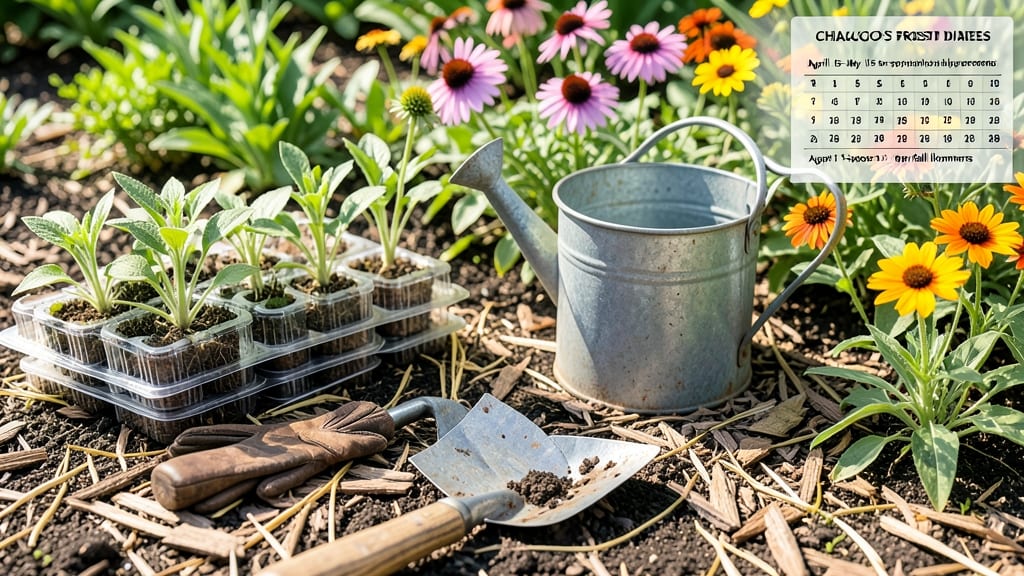
Planting flowers in Chicago at the wrong time can mean the difference between a vibrant garden and a sad, frost-nipped disappointment. With our 5b-6a climate, timing isn't just about the calendar—it's about reading the soil, watching the weather, and knowing when those last frosts will finally retreat.
Let me cut through the guesswork: The ideal window for spring planting is between March 15 and May 15, but that doesn't mean you should rush out with your 🌸 on March 16.
Waiting for soil to warm to 50°F and checking your local frost-free date (usually around April 15) makes all the difference.
Fall planting? That’s your second chance—August 15 to September 15 gives perennials time to establish roots before winter. But here’s the kicker: Chicago’s microclimates mean downtown heat pockets and lake-effect chills can shift your timing by weeks. We’ll show you how to adjust.
Whether you’re a first-time gardener or a seasoned pro, these USDA Zone 5b deadlines will help you avoid common mistakes and get your flowers blooming like never before. Let’s get growing!
Chicago’s last frost dates by flower type: safe planting windows for zero frost risk
Chicago’s USDA Zone 5b climate means frost can linger until mid-April, but timing your flower planting right ensures vibrant blooms all season. The average last frost date is April 15, but urban areas like downtown Chicago often experience frost 1-2 weeks later due to heat islands.
For zero frost risk, aim for May 1 for most flowers—except cold-hardy varieties.
Your planting window depends on the flower type. Annuals like marigolds and petunias need warm soil (50°F+) and can’t handle frost, while perennials like coneflowers establish roots in fall. Bulbs like tulips and daffodils, however, thrive when planted in fall (September-October) for spring blooms.
Here’s a comparison table breaking down the ideal planting windows for Chicago’s most popular flowers, including soil temperature and microclimate adjustments for urban vs. suburban areas:
| Flower Type | Planting Window | Soil Temp Requirement | Urban Adjustment | Suburban Adjustment |
|---|---|---|---|---|
| Annuals (Petunias, Marigolds, Zinnias) | May 1 - May 15 | 50°F+ | Wait until May 15 (heat islands delay frost) | April 25 - May 1 (earlier in rural areas) |
| Perennials (Coneflowers, Black-Eyed Susans) | April 15 - May 10 (spring) or September 15 - October 1 (fall) | 45°F+ (spring), 60°F+ (fall) | Fall planting by September 30 for root establishment | April 1 - April 15 (spring) or October 1-15 (fall) |
| Bulbs (Tulips, Daffodils, Hyacinths) | September 15 - October 15 (fall) | 60°F+ soil | Plant by September 20 (urban soil stays warm longer) | September 1 - October 1 (earlier in cooler suburbs) |
| Cold-Hardy Annuals (Pansies, Snapdragons) | March 15 - April 15 | 40°F+ | Use frost cloth for late frosts | March 1 - April 1 (earlier in rural areas) |
For annuals, the May 1 deadline is critical—planting too early risks frost damage, while waiting too long may stunt growth. Marigolds and zinnias, for example, thrive when soil hits 50°F, but a late frost can kill tender seedlings. Use a soil thermometer to confirm readiness.
Chicago’s lake-effect winds near Rogers Park or Evanston can delay warming, so add 1-2 weeks to your suburban planting schedule. Conversely, downtown heat islands (like the Loop) may allow earlier planting—test soil temperature first. Container gardens on patios warm faster than in-ground beds, giving you a 1-week head start.
Perennials like coneflowers and black-eyed Susans are more forgiving. Plant them in spring (April 15) or fall (September 15) for root establishment. Fall planting gives them a head start before winter dormancy. Bulbs, however, must be in the ground by October 15—later planting risks poor blooming.
Pro tip: Check the National Weather Service Chicago frost forecast weekly. Their 10-day outlook predicts late frosts, helping you adjust your schedule. For example, if they forecast a late April frost, delay planting tender annuals until May 1.
If you’re unsure about your microclimate, observe your garden’s history. Note when last year’s frost occurred and adjust your timeline accordingly. Urban gardeners often see frosts until May 10, while suburban areas may be frost-free by April 25.
Keep a planting journal to track what works best for your specific location.
Remember, fall planting (especially for perennials and bulbs) is just as important as spring. September and October offer cooler soil and fewer pests, giving plants time to establish roots before winter. Don’t miss this second planting window—it’s key to a thriving garden next year!
How to adjust planting timing for Chicago’s microclimates: urban heat islands vs. windy city chill
Chicago’s diverse microclimates can shift your flower planting timeline by weeks—especially when comparing downtown’s urban heat islands to the lake-effect chill near Rogers Park. A 3°F difference in soil temperature might mean the difference between thriving blooms and frost-nipped failures.
Here’s how to adapt your schedule based on where you garden.
Start by testing your soil temperature with a soil thermometer—the magic number is 50°F. Downtown areas like the Loop may hit this mark 2-3 weeks earlier than suburban spots due to asphalt and concrete absorbing heat.
Meanwhile, lakefront neighborhoods can stay 5-10°F cooler thanks to Lake Michigan’s breeze. Use these local adjustments to fine-tune your planting calendar.
🌡️ Chicago Microclimate Planting Adjustments
Soil warms 2-3 weeks earlier than suburbs
Action: Plant hardy annuals (marigolds, zinnias) 2 weeks ahead of last frost date.
Soil stays 5-10°F cooler due to lake breezes
Action: Wait 1-2 weeks later than standard frost date for tender perennials (petunias, geraniums).
Moderate climate—follow standard frost dates
Action: Use cold frames to extend spring by 3-4 weeks for early blooms.
For container gardening, your timing flexibility increases. Pots heat up faster than garden beds, so you can plant heat-loving annuals (like sunflowers) 10-14 days earlier than in-ground.
Just ensure your containers have drainage holes to prevent root rot from Chicago’s sudden summer downpours. Pro tip: Use black pots to absorb more heat in cooler microclimates.
If you’re in a windy area (like Lincoln Park), opt for sturdy, low-growing flowers like coreopsis or sedum, which handle gusts better than delicate petunias. For extra protection, add windbreaks (like bamboo fencing) or plant near taller perennials (e.g., coneflowers) to shield your blooms.
Wind can also delay soil warming, so test temperatures near your garden, not just in your backyard.
Finally, leverage Chicago’s fall planting window—it’s your secret weapon for perennial success. Plant hardy perennials (like black-eyed Susans) in late August to early September to give roots time to establish before winter.
Urban areas may need extra mulch (3-4 inches) to insulate roots, while lakefront gardens might benefit from row covers to shield from late-season winds.
Use the National Weather Service Chicago forecast as your final check—set a reminder for May 15 to confirm the last frost date. If you’re still unsure, start seeds indoors in early April for a head start on the season.
With these microclimate tweaks, your Chicago garden will bloom earlier, longer, and more reliably than ever before. 🌿