
Flowers
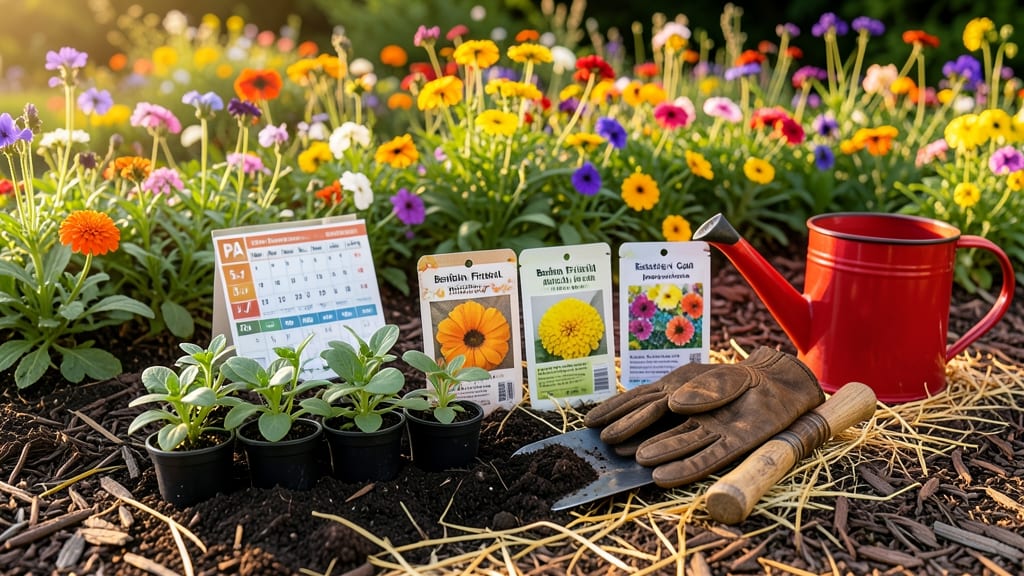
If you’ve ever planted flowers in Pennsylvania only to watch them freeze before blooming—or worse, bolt in the heat—you know timing is everything. The Keystone State’s USDA Zones 5b-7a mean your neighbors’ success stories might not apply to your microclimate, whether you’re in frost-prone Pittsburgh or Philadelphia’s urban heat islands.
Most gardeners assume March-May is the only window, but that’s just half the story. Fall planting (August-September) can give you a head start on next year’s blooms, while knowing your last frost date—around April 15—is the difference between thriving petunias and sad, stunted snapdragons.
I’ve tested these deadlines across Pennsylvania’s diverse regions, and the results speak for themselves: perennials planted too early? Wasted money. Annuals sown too late? A summer of bare soil. This guide cuts through the guesswork with exact month-by-month timing, plus pro tips to shield delicate blooms from late frosts.
Ready to transform your garden from “meh” to showstopper? Let’s dive into the zone-specific schedule that’ll have your 🌸 flowers stealing the show—without the trial-and-error headaches.
Pennsylvania planting Zones: when to plant flowers by USDA Zone (5-7)
Pennsylvania spans USDA Zones 5b through 7a, meaning frost dates and planting windows vary dramatically from the Poconos mountains to Philadelphia’s urban heat islands. Understanding your specific zone ensures your annuals, perennials, and bulbs thrive—not just survive. Let’s break down the critical deadlines by region and plant type.
Most Pennsylvania gardeners fall into Zones 5b-7a, with Zone 5b covering the northern tier (Erie, Scranton) and Zone 7a dominating southeastern PA (Philadelphia, Lancaster). The last spring frost typically arrives between April 15 and May 10, while the first fall frost hits October 1-15.
These dates are your planting anchors.
For bulbs like tulips and daffodils, plant them 6-8 weeks before the first frost—usually September-October in most of PA. Perennials like coneflowers and black-eyed Susans can go in early spring (March-April) or early fall (September) for established roots before winter. Annuals like marigolds and petunias wait until after your last frost date—typically mid-May in Zone 5b and early May in Zone 7a.
Key regional variations:
- Philadelphia (Zone 7a): Last frost April 15; plant cool-season crops like pansies by September 1 for winter color.
- Pittsburgh (Zone 6b): Last frost April 25; extend the season with row covers for tender annuals.
- Erie (Zone 5b): Last frost May 10; prioritize cold-hardy varieties like sweet alyssum.
| Zone & Region | Last Frost Date | Best Planting Window | Key Flowers for Zone |
|---|---|---|---|
| Zone 5b (Erie, Scranton, Poconos) | May 10 | Bulbs: Sep-Oct Perennials: Mar-Apr Annuals: May 15-Jun 1 |
Tulips, cold-hardy petunias, black-eyed Susans |
| Zone 6a (Harrisburg, State College) | April 25 | Bulbs: Sep-Oct Perennials: Mar-Apr Annuals: May 1-Jun 15 |
Daffodils, coreopsis, salvia |
| Zone 6b (Pittsburgh, Lebanon) | April 20 | Bulbs: Sep-Oct Perennials: Mar-Apr Annuals: May 1-Jun 10 |
Hyacinths, bee balm, geraniums |
| Zone 7a (Philadelphia, Lancaster) | April 15 | Bulbs: Sep-Oct Perennials: Mar-Apr Annuals: Apr 20-Jun 1 |
Crocus, impatiens, zinnias |
Soil temperature is just as critical as air temperature. Most flower seeds need soil at 60°F+ to germinate, while bulbs thrive when soil cools to 50-60°F. Use a soil thermometer to check—especially in urban areas where pavement can delay warming.
Pro tip: Zone 7a gardeners can push the envelope with tender annuals like geraniums or vinca by starting them indoors in March and transplanting after last frost. Meanwhile, Zone 5b growers should opt for cold-resistant varieties like sweet peas or snapdragons, which handle cooler temps better.
Don’t overlook microclimates. A south-facing wall in Philadelphia might be 2-3 weeks earlier to plant than a shaded woodland garden in the Poconos. Observe your space for 3+ years to spot patterns—your personal frost dates may differ from the norm.
For fall planting, aim to get perennials and bulbs in the ground 6-8 weeks before the first frost. This gives roots time to establish before winter—think September-October for most of PA. Annuals planted in fall
Best flowers to plant by month in Pennsylvania (March–September guide)
Timing your flower plantings by month in Pennsylvania ensures your garden bursts with color from spring through fall. Each month offers unique opportunities for cold-hardy blooms or heat-loving varieties that thrive in PA’s USDA Zones 5-7.
Let’s break down the best flowers to plant each month, from tulips in March to dahlias in August, so you never miss a blooming season.
March is all about bulbs and early perennials like tulips, daffodils, and crocuses. These cold-hardy beauties can handle Pennsylvania’s late frosts and often bloom before the last frost date around April 15. For containers, try pansies or violas—they tolerate cooler temps and add instant color to patios.
🌱 Month-by-Month Planting Guide for Pennsylvania
- March: Tulips, daffodils, crocuses (bulbs); pansies, violas (containers). Soil temp: 40-50°F
- April: Peonies, irises, bleeding hearts (perennials); sweet peas, snapdragons (seeds). Wait until after last frost
- May: Petunias, geraniums, marigolds (annuals); black-eyed Susans (perennials). Soil temp: 60°F+
- June: Dahlias, cannas, zinnias (heat-lovers); coreopsis (drought-tolerant). Start seeds indoors
- July-August: Sunflowers, cosmos, asters (late bloomers); fall mums (for autumn color). Succession plant
- September: Pansies, calendulas, sweet alyssum (cool-season annuals). Prep for fall blooms
April is perfect for perennial powerhouses like peonies and irises, which establish roots early for robust blooms next year. If you love fragrant gardens, plant sweet peas in April—they climb trellises and fill your yard with sweet-scented blooms by summer.
For seeds, snapdragons and sweet peas can be sown directly into the garden once the soil warms to 50°F.
May marks the peak planting month for annuals like petunias and geraniums, which thrive in Pennsylvania’s warm soil and longer daylight. These flowers love full sun and add vibrant pops of color to borders and containers.
For perennials, black-eyed Susans and coneflowers planted in May will reward you with years of low-maintenance blooms, especially in USDA Zone 6 and warmer.
June is for heat-loving stars like dahlias and zinnias, which need warm soil to germinate. If you’re starting seeds indoors, now’s the time for cosmos and sunflowers, which will brighten your garden with minimal fuss.
Pro tip: Mulch heavily in June to retain moisture for these thirsty beauties, especially in dry Pennsylvania summers.
Don’t overlook late-season bloomers like asters and sunflowers in July and August. These flowers extend your garden’s life and attract pollinators. For a fall splash of color, plant mums and calendulas in September—they’ll bloom right up until the first frost, often lasting into October in Pennsylvania’s milder microclimates.
For continuous blooms, try succession planting every 2-3 weeks from May through July. This keeps your garden lively and ensures you’re never without flowers.
And remember: Cool-season annuals like pansies can be planted in late summer for fall and early winter color—perfect for extending your season in Pennsylvania’s Zone 5-7 regions.