
Flowers
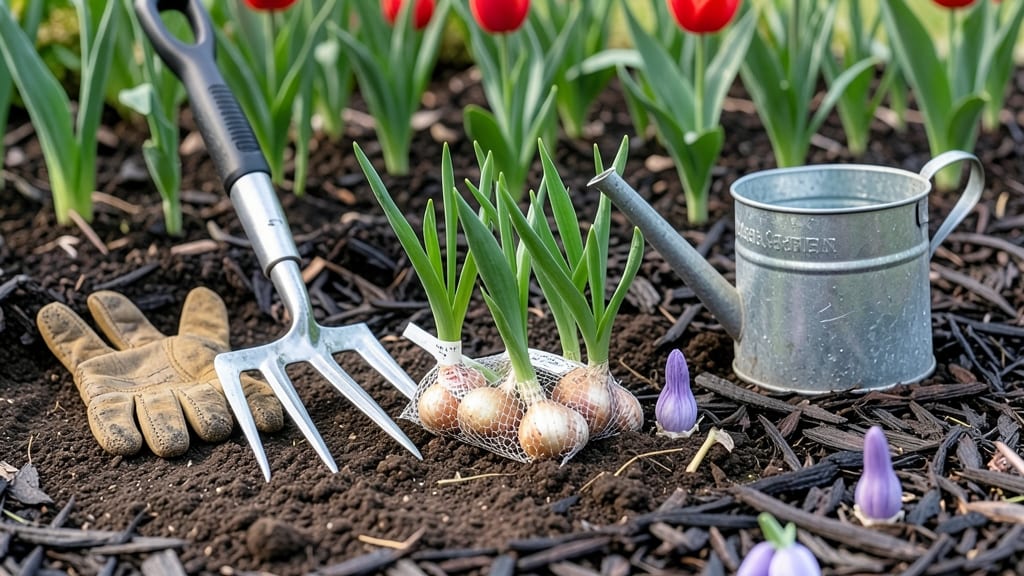
Planting flowers in the spring at the wrong time can mean the difference between a garden bursting with color and one that struggles to take root. Whether you're a seasoned gardener or just starting out, getting the timing right is everything—especially when frost still lingers in many regions.
Most gardeners in Zone 6a wait until after the last frost date, typically around mid-April, but the exact window depends on the type of 🌸 flowers you're growing. Cool-season annuals like pansies can handle a light frost, while heat-loving varieties like marigolds need warmer soil to thrive.
Knowing these differences helps you avoid wasted effort and ensures your garden blooms on schedule.
In this guide, I’ll break down the best planting times for popular flowers, from bulbs to perennials, so you can align your efforts with nature’s calendar. You’ll also discover how to adjust for early or late springs, plus pro tips to extend your planting season without risking frost damage.
Ready to transform your garden into a vibrant haven? Let’s dive into the critical timing that makes all the difference—and set you up for a season of stunning blooms.
Spring planting timeline by frost dates and flower types
Getting your spring flower planting right starts with understanding your last frost date and matching it to your flower types. In most of the U.S., this falls between March and May, but timing varies wildly by USDA zone.
For example, Zone 5 gardeners may wait until mid-May, while Zone 8 can plant as early as February. The key is knowing whether your flowers thrive in cool spring temperatures or need warmer soil to germinate.
Hardy cool-season flowers like pansies and snapdragons can handle light frosts and often do best when planted 6-8 weeks before your last frost date. Meanwhile, heat-loving annuals such as marigolds and zinnias should wait until after your last frost when soil temps hit 60°F or higher.
Let’s break down the perfect planting windows for each category, so you can avoid the common mistake of planting too early and risking frost damage.
🌱 Spring Flower Planting Timeline by Type
| Flower Type | Planting Window | Key Notes |
|---|---|---|
| Cool-Season Annuals | 6-8 weeks before last frost | Pansies, snapdragons, sweet peas |
| Perennials | After last frost (early spring) | Daylilies, coneflowers, black-eyed Susans |
| Heat-Loving Annuals | After last frost (soil ≥60°F) | Marigolds, zinnias, petunias |
| Spring-Blooming Bulbs | Fall (6-8 weeks before first frost) | Tulips, daffodils, hyacinths |
| Tender Perennials | After last frost (wait for warmth) | Lavender, salvia, geraniums |
If you’re in the Northern Hemisphere, focus on planting after your last frost date—typically between April and May for most regions. For example, in Zone 7, that’s usually mid-April, while Zone 3 gardeners may not see safe planting until late May.
A quick way to check is by using the USDA Plant Hardiness Zone Map and cross-referencing with your local agricultural extension office for precise frost dates.
For Southern Hemisphere gardeners, timing flips: Plant in August-September (their spring), but always wait until soil warms. For instance, Australia’s Zone 9 sees ideal planting in late August, while Zone 7 (like parts of South Africa) may start as early as July.
The rule remains the same: soil temperature matters more than calendar dates.
One pro tip I swear by is using biodegradable seedling pots for heat-loving flowers. This lets you plant 2-3 weeks earlier than direct sowing, giving delicate seedlings a head start.
Just pop the pot into the ground—roots and all—and watch them thrive without transplant shock. It’s especially useful for petunias and geraniums, which hate having their roots disturbed.
Don’t forget about bulbs! While most spring-blooming bulbs (like tulips) should be planted in fall, there are exceptions. Summer-blooming bulbs such as dahlias and cannas go in the ground after your last frost, typically in April or May.
These need warm soil to sprout, so rushing them can lead to rot. Test soil temperature with a soil thermometer—aim for 65°F or higher before planting.
Regional adjustments are critical. In coastal areas, cooler microclimates may delay planting by 2-3 weeks, while desert regions can plant earlier due to rapid soil warming. For example, Arizona gardeners might start marigolds in February, while Pacific Northwest gardeners wait until May.
Always observe your garden’s unique conditions—your yard’s microclimate often dictates success more than the general zone guidelines.
To stay on track, mark your last frost date on your calendar and count backward for cool-season flowers or forward for heat-lovers. Pro gardeners like me use a planting schedule app (like Gardenate) to get real-time alerts.
It’s a game-changer for avoiding missed deadlines. With this timeline, you’ll maximize blooms and minimize frost damage—no more sad, wilted seedlings!
5 Critical factors that determine your planting window
Planting flowers at the right time in spring isn’t just about checking a calendar—it’s about understanding 5 key factors that create the perfect conditions for your blooms.
I’ve learned the hard way that ignoring these can lead to wilting seedlings or stunted growth, so let’s break them down to help you time it just right.
First, soil temperature is your biggest clue. Most flowers need soil that’s at least 60°F (15°C) to thrive. Cold soil slows root growth, leaving plants vulnerable to rot. Use a soil thermometer—it’s a game-changer for avoiding disappointment.
Next, last frost date sets the baseline for planting. While hardy annuals like pansies and calendulas can handle light frosts, heat-lovers like petunias and geraniums need warm soil. Check your USDA zone and add 2-4 weeks to your last frost date for safety.
- 🌡️ Soil temperature: Must reach 60°F+ for most flowers
- ❄️ Last frost date: Add 2-4 weeks for safety
- ☀️ Sunlight exposure: Full sun vs. partial shade needs vary
- 💧 Humidity levels: High humidity delays planting for heat-lovers
- 🌱 Flower hardiness: Cool-season vs. warm-season varieties
Don’t overlook sunlight exposure—some flowers like sunflowers need 6+ hours of direct sun, while others like impatiens thrive in partial shade. Planting in the wrong light can stunt growth or prevent blooming entirely. Observe your garden’s sunlight patterns for a month before planting.
Humidity levels also play a surprising role. High humidity can delay planting for heat-loving flowers, as damp conditions slow soil warming. In humid climates, wait until mid-May for tropical varieties like hibiscus or canna lilies—patience here prevents fungal issues.
Finally, flower hardiness determines whether you can plant early or must wait. Cool-season flowers like snapdragons and lobelia can handle light frosts, while marigolds and zinnias need warm soil. Match your flowers to your climate’s frost-free window for the best results.