
Flowers
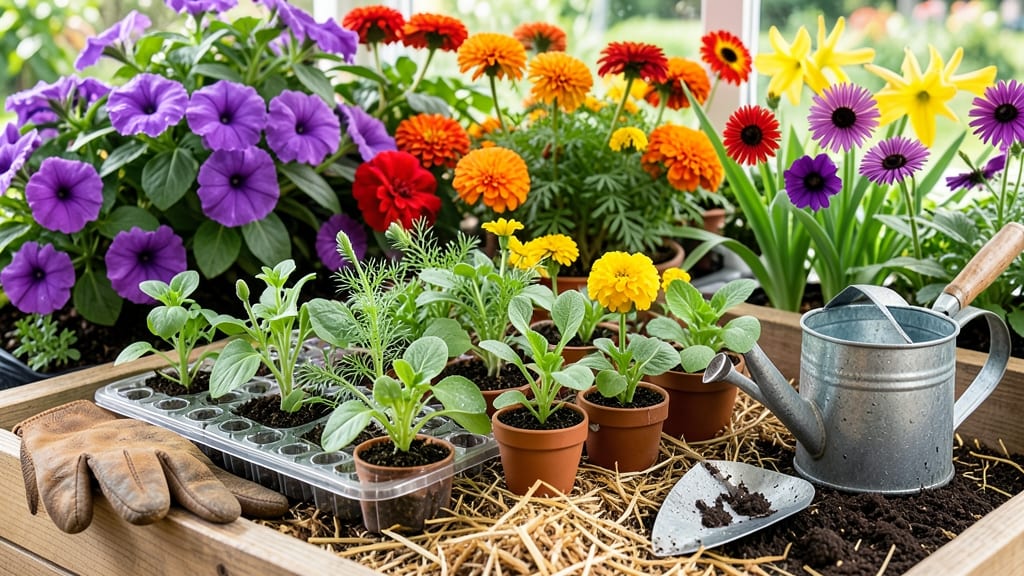
Timing your flowers planting in Zone 6 can make or break your garden's success—get it right, and you'll enjoy vibrant blooms all season long. The key lies in understanding when to plant for both spring and fall, avoiding frost damage while maximizing growth.
With Zone 6's mid-April to early May last frost dates and mid-October to early November first frosts, you've got two prime windows: after the last frost in spring or 6-8 weeks before the first frost in fall.
Whether you're planting annuals like impatiens or perennials like tulips, knowing these exact timelines is your secret weapon.
I'll walk you through the best planting strategies for each season, including soil prep tips and popular Zone 6 flowers that thrive with the right timing. Let's turn your garden into a blooming paradise—without the guesswork.
Ready to transform your outdoor space? Discover the exact planting schedule that works for your climate, and watch your flowers flourish from season to season.

Zone 6 frost dates: exact spring and fall planting windows by flower type
Understanding your Zone 6 frost dates is the first step to planting flowers successfully. In this zone, the last spring frost typically arrives between mid-April and early May, while the first fall frost hits around mid-October to early November.
These dates create your planting windows—spring after the last frost, and fall 6-8 weeks before the first frost. Missing these windows can leave your flowers vulnerable to frost damage or poor establishment.
For spring-planted flowers, wait until the soil temperature reaches at least 60°F (about 15°C) and nighttime temperatures stay above 50°F (10°C).
This usually aligns with late April to early May in most of Zone 6. Fall planting, on the other hand, should happen early enough for roots to establish before winter dormancy, typically between late August and early September.
The key is balancing warmth and time—too early, and your plants may bolt or rot; too late, and they won’t thrive before frost.
📅 Zone 6 Flower Planting Calendar
| Flower Type | Spring Planting Window | Fall Planting Window | Notes |
|---|---|---|---|
| Annuals (e.g., Petunias, Marigolds) | After last frost (late April-early May) | Late August-early September | Direct sow seeds after soil warms to 60°F. |
| Perennials (e.g., Coneflowers, Black-Eyed Susans) | Early spring (March-April) | Late summer (August-September) | Divide clumps in early spring for best results. |
| Bulbs (e.g., Tulips, Daffodils) | Fall (October-November) | N/A (Plant in fall only) | Plant 6-8 weeks before first frost for spring blooms. |
| Cold-Hardy Annuals (e.g., Pansies, Snapdragons) | Early spring or fall | Late summer (August-September) | Tolerate light frost; great for early/late season color. |
Regional variations within Zone 6 can shift these windows by 1-2 weeks. For example, western Zone 6 (e.g., Colorado, Wyoming) often has later last frosts due to higher elevations, while eastern Zone 6 (e.g., Ohio, Pennsylvania) may experience earlier frosts.
Check your local USDA Plant Hardiness Zone Map and consult a nearby Cooperative Extension Service for precise data. Even a 10°F difference in your microclimate can change planting timing significantly.
For spring-planted flowers, focus on varieties that tolerate cool soil, like pansies or snapdragons. These can handle light frosts and even bloom in 40°F temperatures.
In contrast, tender annuals like impatiens or begonias need to wait until the soil is fully warmed and all frost risk has passed. A simple soil thermometer ($10 at garden centers) can help you track when it’s safe to plant.
Fall planting is ideal for cool-season crops and hardy perennials that benefit from early establishment.
Plant 6-8 weeks before your first frost to give roots time to grow before winter slows them down. Ornamental kale, stocks, and calendulas are excellent choices for fall color and can often overwinter in Zone 6 with minimal protection.
Mulch heavily after planting to insulate roots from temperature swings.
Bulbs are a special case—they must be planted in fall for spring blooms. In Zone 6, aim to get them in the ground by mid-October at the latest. Tulips and daffodils thrive when planted in cool, moist soil before the ground freezes.
If you miss the fall window, you’ll have to wait until next year for those cheerful spring displays. Pro tip: Plant bulbs 3 times as deep as their diameter and space them 6 inches apart for optimal growth.
Don’t overlook container gardening as an option for extending your planting windows. Potted flowers can be moved to sheltered spots or brought indoors during frost events. Just ensure containers have drainage holes and use lightweight potting mix to prevent root rot.
This flexibility is especially useful for tender perennials or tropical annuals that wouldn’t survive Zone 6 winters outdoors.
Finally, always monitor your local weather forecasts in the weeks leading up to your planting window. A late frost can delay spring plantings by 2-3 weeks, while an unusually warm fall might extend your window into October. Gardening
Zone 6 frost dates: exact spring and fall planting windows by flower type
Understanding Zone 6 frost dates is the foundation of successful flower planting. The last frost typically arrives between mid-April and early May, while the first frost hits mid-October to early November.
These dates create two ideal planting windows: after the last frost in spring or 6-8 weeks before the first frost in fall.
For spring planting, wait until soil temperatures reach at least 60°F and nighttime temperatures stay above 50°F consistently. In fall, plant hardy varieties 6-8 weeks before your expected first frost date. This timing ensures roots establish before winter dormancy begins.
Here’s a quick reference for Zone 6 planting windows by flower type to maximize bloom cycles:
Regional variations within Zone 6 can shift these dates by 1-2 weeks. For example, western Zone 6 (e.g., Denver) often has later last frosts than eastern Zone 6 (e.g., Philadelphia). Check your local USDA Plant Hardiness Zone Map or consult your cooperative extension service for precise frost dates.
Soil preparation is just as critical as timing. Before planting, amend your soil with compost or aged manure to improve drainage and fertility. For spring plantings, add a slow-release fertilizer to give flowers a nutrient boost as they establish.
Pro tip: Use row covers or cloches to extend your spring planting window by 2-3 weeks if frost threatens. This protects tender seedlings while they grow stronger.