
Trees
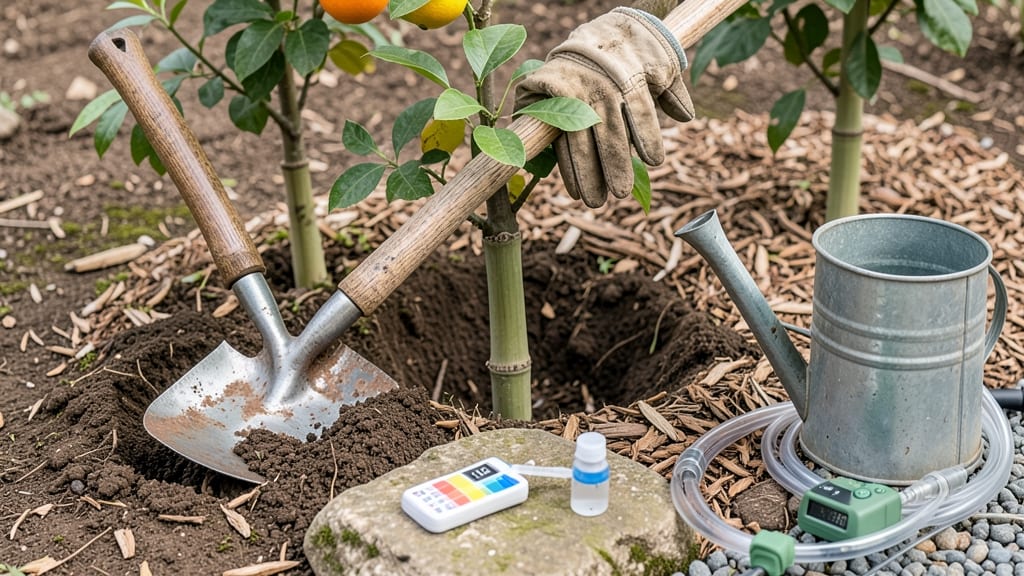
Timing your fruit trees 🍎 planting in Arizona isn’t just about picking a month—it’s about matching varieties to the state’s wild temperature swings and chill-hour needs. Plant too early, and your citrus could freeze; too late, and your peaches might struggle to fruit.
The best window for most varieties is November through February, but the real secret lies in understanding which trees thrive in your specific microclimate.
Let’s say you’re dreaming of juicy peaches or sweet pomegranates—without the guesswork. I’ll break down exactly when to plant each type, from low-chill citrus that loves Phoenix’s heat to high-chill apples that need cooler mountain air.
You’ll learn how to avoid common mistakes like planting bare-root trees in summer or skipping soil prep for Arizona’s alkaline dirt.
Whether you’re a first-time gardener or a seasoned grower, this guide cuts through the confusion. We’ll cover container planting tips for urban yards, frost-risk zones, and even how to tell when your tree is ready to harvest. Ready to turn your backyard into a fruit-filled oasis? Let’s get started.
The key to success? Planting at the right time—for your tree’s chill needs and your local climate. No more wasted effort or disappointed harvests. Just reliable, homegrown fruit year after year.
Arizona fruit tree planting calendar by chill-hours and climate zones
Arizona’s diverse climate zones (USDA 9a-11b) create unique challenges for fruit tree planting. The key to success? Matching your tree’s chill-hour requirements with your local frost dates.
Low-chill varieties like citrus and figs thrive in Phoenix’s 10b zone, while peaches and plums need 300-600 chill hours found in higher elevations like Flagstaff.
Planting outside these windows risks heat stress in summer or frost damage in winter. For example, citrus planted in January may survive a late freeze, but peaches need to establish roots before March’s warming trend. Let’s break down the best planting months for each chill category.
🌱 Visual Guide: Arizona Fruit Tree Planting Windows by Chill-Hours
| Chill-Hour Category | Best Planting Window | Example Varieties | Arizona Zones | Frost Risk |
|---|---|---|---|---|
| Low-Chill (<100 hrs) | November–February | Citrus, Figs, Pomegranates | 10a–11b | Minimal (urban areas) |
| Moderate-Chill (300–600 hrs) | October–March | Peaches, Plums, Nectarines | 9a–10a | Moderate (elevations 3,000–5,000 ft) |
| High-Chill (600–1,000 hrs) | September–November | Apples, Pears, Cherries | 7b–9a | High (north AZ, 5,000+ ft) |
For low-chill varieties like Meyer lemons or ‘Brown Turkey’ figs, aim for November planting in Phoenix (Zone 10b). These trees need 6–8 weeks to establish roots before summer’s heat arrives.
In Tucson (Zone 9b), extend planting to February for peaches like ‘Bonanza’, which requires 400 chill hours.
Higher elevations like Flagstaff (Zone 7b) allow planting apples and pears until November. These trees need 700+ chill hours, so planting later risks insufficient dormancy before winter’s first frost. Use mulch to protect roots from 20°F temperatures common in these zones.
Container planting offers flexibility for urban gardeners. Bare-root trees planted in October–March in containers can be moved to microclimates with milder winters. For example, a ‘Flame Princess’ fig in a pot near a south-facing wall in Sedona can survive winters with 30°F protection.
Always check your local frost dates—Arizona’s Sonoran Desert rarely drops below 32°F, but high-desert areas can hit 15°F. Use a frost-free calendar from your county extension office to fine-tune timing.
For instance, Yuma (Zone 11a) has no frost risk, so citrus can be planted year-round, but Prescott (Zone 6b) needs September planting for peaches.
Pro tip: Bare-root trees establish faster than container-grown, but both need deep watering after planting. In Arizona’s clay-heavy soils, amend with compost to improve drainage—critical for preventing root rot during monsoon season.
🌿
How to match fruit tree varieties to Arizona’s microclimates for maximum yield
Arizona’s diverse climate zones—from the Sonoran Desert’s 11b to high-elevation 9a areas—create microclimates that demand careful variety selection. Choosing the wrong chill-hour variety for your zone can mean no fruit or stunted growth.
For example, a peach tree needs 300-500 chill hours, while figs thrive with zero chill hours. Matching your tree to your local climate ensures reliable harvests and healthier growth.
Start by identifying your USDA zone (check the AZ Master Gardener map). Low-desert areas like Phoenix (10b-11a) suit citrus, pomegranates, and figs, while Flagstaff (7b-8a) can grow apples and pears with proper chill-hour varieties.
Urban heat islands (like Tucson) may need heat-tolerant selections like ‘Bonanza’ peaches or ‘Improved Meyer’ lemons, while high-desert areas benefit from ‘Flame Princess’ figs or ‘Sugar Loaf’ persimmons.
Here’s how to adjust planting timing for your microclimate: In low-desert zones (10b+), plant bare-root citrus in late winter (February) to avoid spring heat stress. In higher elevations (9a), plant stone fruits like plums or cherries in November-December to establish roots before spring warmth.
Container-grown trees offer flexibility—plant them year-round in cooler zones, but avoid summer heat in low deserts.
🌱 Variety Matching Guide for Arizona Microclimates
| Zone | Best Varieties | Chill Hours Needed | Planting Window |
|---|---|---|---|
| 10b-11a (Low Desert) | ‘Improved Meyer’ Lemon, ‘Celeste’ Fig, ‘Wonderful’ Pomegranate | 0-200 | Feb–March |
| 9a-9b (High Desert) | ‘Bonanza’ Peach, ‘Sugar Loaf’ Persimmon, ‘Luscious’ Plum | 300-500 | Nov–Dec |
| 7b-8a (Mountain) | ‘Dorsett Golden’ Pear, ‘Elberta’ Peach, ‘Jonathan’ Apple | 500-800 | Oct–Nov |
Adjust for urban heat islands by planting 2-4 weeks earlier.
For urban gardens, consider dwarf varieties like ‘Pixie’ peaches or ‘Little Leaf’ figs, which adapt better to heat and limited space. These require less chill hours and can be planted year-round in containers.
If you’re in a transition zone (e.g., Prescott, 7b), opt for hybrid varieties like ‘Springcrest’ peaches (400 chill hours) to bridge the gap between low- and high-chill needs.
Soil prep varies by microclimate too: Low deserts need sandy, well-draining soil with organic matter to retain moisture, while high elevations benefit from compost-amended clay to improve drainage. Test your soil pH—citrus loves 6.0-7.0, while stone fruits prefer 6.0-6.5. Amend with sulfur or lime as needed before planting.
Finally, monitor local frost dates—even in deserts, January cold snaps can damage young trees. Use frost cloth for low-chill varieties in transition zones, and mulch heavily to protect roots.
With the right variety + timing, your Arizona fruit tree will thrive—and you’ll enjoy homegrown harvests for years to come! 🌳