
Planting
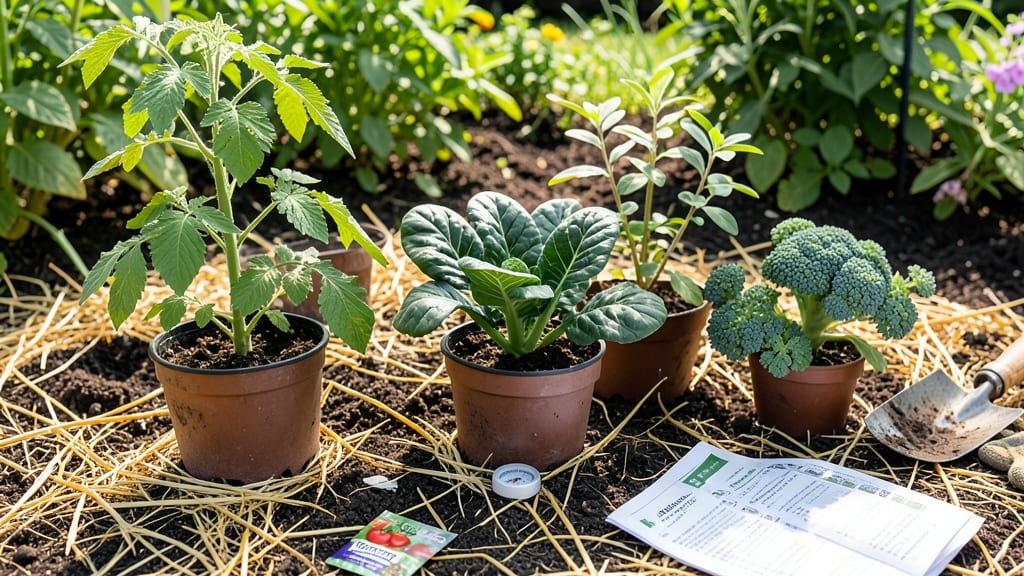
Knowing when to plant a garden in Arkansas could mean the difference between a thriving harvest and wasted effort. Whether you're a seasoned gardener or just starting out, understanding when to plant in Zone 7a/7b is the key to avoiding frost damage and heat-related setbacks.
Arkansas's climate throws some unique challenges - from unpredictable spring frosts to scorching summer heat. I've seen firsthand how a few weeks' difference can turn leafy greens into bitter bolts or delay tomato production until the season's nearly over.
What if you could plant with confidence, knowing exactly when to start seeds indoors, transplant seedlings, and make your final summer sowings? I'll walk you through Arkansas's planting calendar, including those critical last frost dates and heat-sensitive windows that make all the difference.
From cool-weather crops that love spring's gentle start to heat-tolerant varieties that thrive in Arkansas summers, we'll cover everything you need to plan your most successful garden yet. Let's get those seeds in the ground at the perfect moment!
Arkansas planting deadlines by season: avoid frost and bolting risks
Arkansas’s Zone 7a/7b offers a generous growing season, but timing is critical. The average last frost date in most areas falls between March 15 and April 15, while the first frost typically arrives November 15 to December 15.
Missing these windows can lead to frost damage or heat-stressed crops that bolt prematurely.
Cool-season crops like lettuce, spinach, and kale thrive in Arkansas’s mild winters and spring shoulders. However, planting them too late in spring risks bolting—when plants flower and become bitter. Warm-season crops, such as tomatoes, peppers, and okra, need soil temperatures above 60°F to germinate successfully.
Here’s your seasonal planting timeline to maximize yields and avoid common pitfalls:
For cool-season crops, aim to plant 4-6 weeks before the last frost. This gives seedlings time to establish roots before temperatures rise. For example, broccoli and cabbage should go in by March 1 in most of Arkansas to avoid bolting by late spring.
Warm-season crops like tomatoes and peppers need to wait until soil temperatures reach 60°F—typically mid-April to early May. Use a soil thermometer to confirm readiness. Planting too early can stunt growth or invite disease.
In southern Arkansas (Zone 7b), the growing season extends slightly longer. You can push fall planting into early October for crops like kale and collards, which tolerate light frosts. In northern Arkansas (Zone 7a), err on the earlier side to account for cooler nights.
Pro tip: Use row covers or cold frames to extend your spring and fall planting windows by 2-3 weeks. This is especially useful for heat-sensitive greens like lettuce, which can bolt in Arkansas’s 90°F+ summers.
Always check your local Arkansas Cooperative Extension Service for microclimate-specific advice, as urban areas and higher elevations may have slightly different frost dates. A few degrees can make all the difference between a thriving garden and a failed harvest.
🌱
How to adjust planting times for Arkansas’s microclimates and soil conditions
Arkansas’s Zone 7a/7b climate isn’t one-size-fits-all—elevations, urban heat islands, and soil types create microclimates that shift planting windows by weeks. For example, the Ozark Mountains stay cooler longer than Little Rock’s urban sprawl, where asphalt absorbs heat and delays frost.
Understanding these variations helps you extend planting seasons safely without risking frost damage or heat stress.
Soil type plays a critical role too. Clay-heavy soils in the Delta region retain moisture longer, cooling roots during summer, while sandy soils in the northwest drain quickly, requiring more frequent watering.
Amending your soil with compost or organic matter can adjust these extremes, creating a more consistent growing environment for your plants.
Here’s how to fine-tune your planting schedule for Arkansas’s unique conditions:
Use row covers to push back spring planting by 2-3 weeks. Lightweight fabric traps heat during the day and insulates at night, protecting cool-season crops like broccoli and kale from late frosts. Remove covers when daytime temps hit 70°F to avoid overheating.
Mulch heavily in summer to cool roots. Apply 3-4 inches of straw or wood chips around warm-season crops like tomatoes and peppers. This keeps soil temps 10-15°F cooler than bare ground, delaying bolting in heat-sensitive plants like lettuce.
Plant high-elevation areas (e.g., Fayetteville) 1-2 weeks earlier than lowland zones (e.g., Pine Bluff). Use cold frames to start warm-season seeds indoors 4-6 weeks before your average last frost date, then transplant when soil reaches 60°F.
For urban gardens, monitor microclimate heat with a soil thermometer. If temps exceed 90°F for 3+ days, switch to shade-tolerant varieties like Swiss chard or malabar spinach, which thrive in Arkansas’s summer heat.
Adjust fall planting by observing your local first frost date. In northern Arkansas, plant cool-season crops by August 15; in southern Arkansas, wait until September 1. Use black plastic mulch to warm soil and extend harvests into November.
Pro tip: Track your garden’s personal frost dates for 2-3 years. Arkansas’s climate shifts yearly—what was a safe last frost date in 2022 might be 10 days earlier in 2025 due to climate variability. Keep a journal to refine your planting timeline annually.
By accounting for these localized factors, you’ll avoid the heartbreak of frost-nipped seedlings or bolt-happy greens. Even a small adjustment—like adding mulch or using row covers—can turn a failed harvest into a bountiful one.
🌱