
Planting
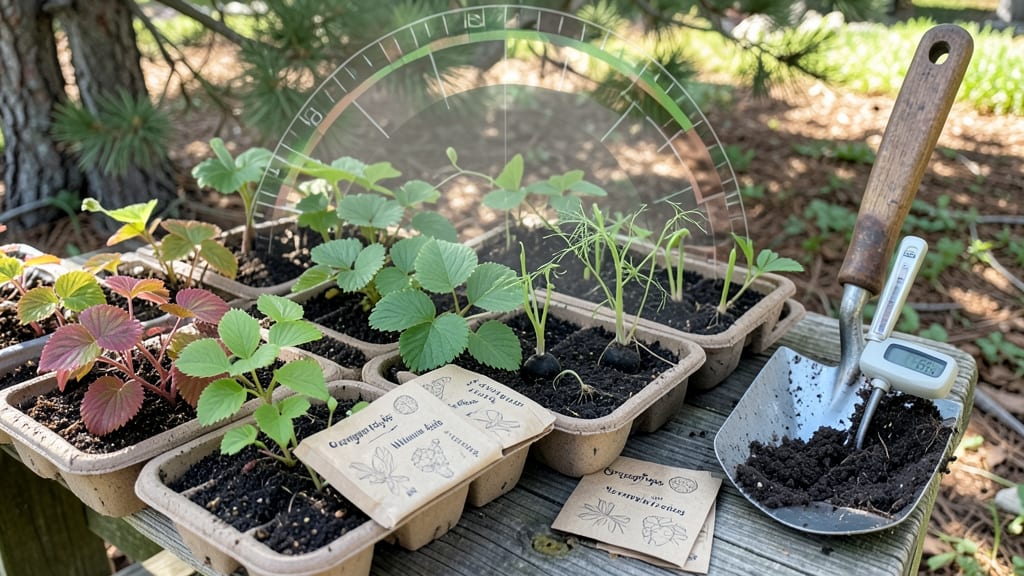
Timing your garden planting in Oregon isn’t one-size-fits-all—get it wrong, and your 🌱 garden could struggle through unpredictable coastal fog or high-desert heat. The key to success? Knowing when to plant based on your specific zone, whether you're in Portland’s mild Willamette Valley or Bend’s dry high desert.
I’ve spent years watching gardens thrive (and sometimes fail) in Oregon’s diverse climate, and the difference often comes down to one critical factor: aligning your planting schedule with local frost dates and microclimates.
Miss the window, and you might end up with bolting lettuce or stunted tomatoes—no one wants that!
What you’ll discover here are the exact planting windows for your region, from cool-season crops like peas and spinach to warm-season favorites like tomatoes and peppers. We’ll break down zone-specific timing, soil prep tips, and even how to handle Oregon’s famously unpredictable weather patterns.
Ready to grow a healthy, productive garden? Let’s dive into the best times to plant in Oregon—so you can enjoy fresh harvests all season long, no matter where you live in the state.
Oregon planting zones: when to start seeds and transplant by region
Oregon’s gardening calendar isn’t one-size-fits-all—its USDA zones 4-9 create dramatic differences between the coastal fog of Cannon Beach and the high-desert heat of Bend. Understanding your microclimate means the difference between thriving zucchini and sad, wilted seedlings.
Let’s break down when to plant by region, so you can align your garden with Oregon’s natural rhythms.
First, know your last average frost date—this is your golden rule. In Portland (Zone 8), expect frost until April 15, while Bend (Zone 6) holds onto frost until May 15.
Coastal areas like Astoria (Zone 8) can have late frosts in May, thanks to ocean breezes. Use these dates to plan your cool-season crops (like lettuce and peas) and avoid planting warm-season crops (tomatoes, peppers) too early.
Here’s how to match your planting timeline to Oregon’s distinct regions, including when to start seeds indoors and when to transplant seedlings outdoors:
| Region | USDA Zone | Last Frost Date | Start Seeds Indoors | Transplant Outdoors | Warm-Season Planting Window |
|---|---|---|---|---|---|
| Willamette Valley (Portland, Eugene) | 8-9 | April 15 | March 1 (peppers), April 1 (tomatoes) | May 1 (after frost risk) | May 15 - June 15 |
| Coastal (Astoria, Cannon Beach) | 8 | May 10 | April 1 (peppers), April 15 (tomatoes) | June 1 (cooler microclimates) | June 15 - July 15 |
| High Desert (Bend, La Pine) | 6-7 | May 15 | April 15 (peppers), May 1 (tomatoes) | June 1 (soil warm enough) | June 10 - July 10 |
| Southern Oregon (Medford, Ashland) | 7-8 | April 1 | February 15 (peppers), March 1 (tomatoes) | April 15 (earlier than Willamette) | April 30 - June 15 |
For cool-season crops like kale, carrots, and spinach, you can plant as early as February in Southern Oregon or March in the Willamette Valley. These hardy plants thrive in 40-60°F soil and can even handle light frosts.
Meanwhile, warm-season crops like beans, squash, and cucumbers need to wait until the soil reaches 60°F+, which typically happens after your last frost date.
Pro tip: Use Oregon State University Extension’s frost date maps for hyper-local guidance. For example, Hood River (Zone 7) often warms up faster than Portland due to its sunny, sheltered valley. Adjust your planting dates accordingly—sometimes 1-2 weeks earlier than the average for your zone.
If you’re growing perennials like asparagus or rhubarb, plant crowns in early spring (March-April) when the ground is workable. These plants establish slowly, so give them a head start before the summer heat arrives.
For flowers like marigolds or zinnias, you can sow seeds directly after your last frost date—these are forgiving and bloom quickly.
Don’t forget about succession planting! In Oregon’s mild climate, you can often extend your harvest by planting bush beans or radishes every 2 weeks from spring to early summer. This keeps your garden productive long after the first planting would have bolted or faded.
One final rule of thumb: When in doubt, wait. Oregon’s weather can be unpredictable, and a late frost in May (especially in coastal areas) will kill off tender seedlings. Use frost cloth as a safety net for early plantings, and always check 7-day forecasts before transplanting warm-season crops.
With these regional guidelines, you
Best months to plant specific vegetables in Oregon’s climate
Oregon’s diverse microclimates mean your Portland garden might thrive on a different schedule than one in Bend’s high desert. For cool-season crops like spinach and peas, aim for early spring (March-April) or fall (August-September)—just before the first frost.
Meanwhile, warm-season favorites such as tomatoes and peppers need to wait until after May 15 in most regions, when soil temperatures hit 60°F.
Let’s break down the ideal planting windows for Oregon’s top crops. Coastal areas can plant 2-4 weeks later than inland zones due to cooler temperatures. Always check your local frost dates from OSU Extension for precise timing.
For heat-sensitive crops like basil or cucumbers, start seeds indoors 6-8 weeks before your last frost date. In Zone 8 (Southern Oregon), you can extend warm-season planting into early July, but coastal gardeners should wait until June.
Pro tip: Use row covers to extend the season for early spring or fall plantings. This protects tender seedlings from late frosts or chilly nights.
Always adjust for microclimates. A south-facing slope in Central Oregon may warm up faster than a shady valley, allowing earlier planting. Observe your garden’s unique patterns over time!
🌱