
Planting
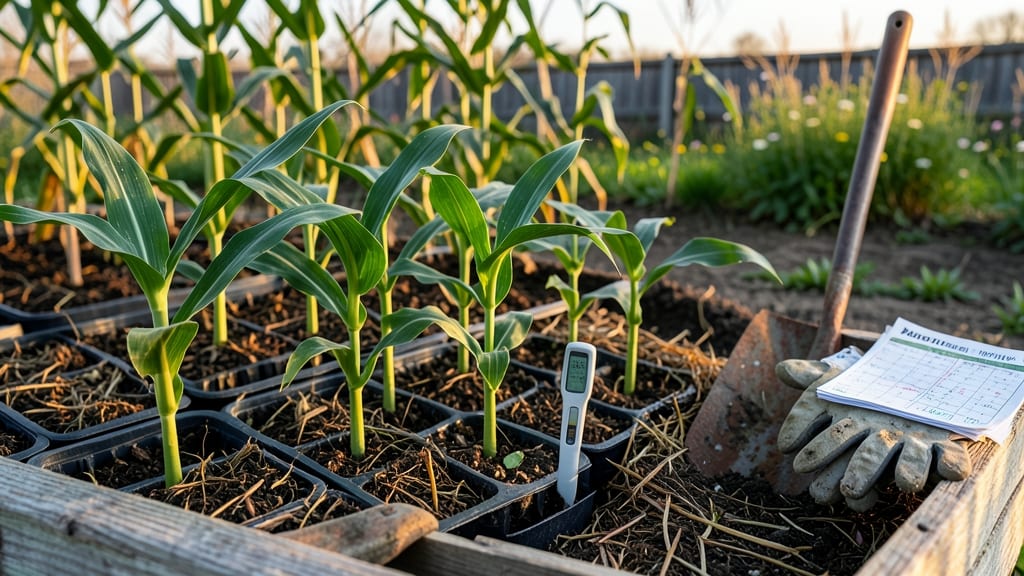
Timing your garden planting in Iowa isn’t just about the calendar—it’s about dodging frost, heat stress, and bolt-inducing surprises that turn your hard work into a sad, wilted mess.
With last frost dates swinging wildly from mid-April in Zone 5a to early May in Zone 6b, one wrong move could mean sacrificing your tomatoes, lettuce, or peppers before they even get a chance to thrive.
I’ve spent years watching 🌱 General Garden Plants in Iowa’s unpredictable climate, and the difference between a thriving garden and a failed experiment often comes down to those 10 critical days before and after the last frost.
Whether you’re a first-time gardener or a seasoned pro, getting this right means the difference between a bumper crop and a bolted disappointment.
In this guide, I’ll break down the exact planting windows for Iowa’s hardiness zones, share proven strategies to extend your growing season, and reveal which crops to prioritize based on your local microclimate. No more guessing—just data-driven planting that actually works for Iowa’s unique conditions.
Ready to turn your garden dreams into reality? Let’s get started with the zero-bolt planting schedule that’ll have your plants flourishing all season long.
Iowa’s last frost dates by hardiness Zone: exact timelines for zero-bolt planting
Iowa spans USDA hardiness zones 4a through 5b, meaning last frost dates vary dramatically from north to south. In Zone 4a (northwest Iowa), you might see frost as late as May 15, while Zone 5b (southeast Iowa) typically warms up by April 15.
These differences matter—planting cool-season crops like spinach too late or warm-season tomatoes too early can ruin your harvest.
To avoid bolt-inducing temperatures, use the 10-day rule: Wait 10 days after the average last frost before planting heat-loving crops. For cool-season veggies, start 4-6 weeks before the last frost date.
Urban areas often experience microclimates—sidewalks and buildings can delay frost by 1-2 weeks compared to rural fields.
Here’s how Iowa’s zones break down with historical last frost averages and safe planting windows:
| Zone | Last Frost Date | Safe for Warm-Season Crops | Cool-Season Start |
|---|---|---|---|
| 4a (NW Iowa) | May 10–15 | After May 25 | March 20–April 1 |
| 4b (Central IA) | April 25–May 5 | After May 15 | March 1–March 20 |
| 5a (SE IA) | April 10–20 | After April 30 | February 20–March 10 |
| 5b (Extreme SE) | April 1–10 | After April 20 | February 1–February 15 |
Adjust for microclimates—urban areas may be 1–2 weeks earlier!
For Zone 4a gardeners, this means waiting until late May for tomatoes or peppers, while Zone 5b growers can start warm-season crops by April 20. Cool-season crops like broccoli or peas can go in as early as February in Zone 5b or March in Zone 4a.
Always check local almanac records—some years, frost lingers weeks later than average.
Pro tip: Use frost-sensitive plants like marigolds or basil as canary indicators. If they survive overnight, your tomato seedlings are likely safe to transplant. In Zone 4a, I’ve lost entire pepper plants by planting too early—don’t make that mistake!
First frost dates matter too. In Zone 4a, expect frost by October 10, while Zone 5b often holds off until October 25. Plan your fall crops (like kale or radishes) accordingly, or use row covers to extend the season.
Iowa’s unpredictable weather means flexibility is key. Even if the average last frost is April 15, a late snowstorm could push it to May 1. Keep seedling heat mats or a greenhouse on hand for Zone 4a gardeners to give warm-season plants a head start indoors.
For perennials like asparagus or rhubarb, plant in early spring (March–April) so roots establish before summer heat. Bulbs like tulips should go in fall (October–November) to naturalize. Herbs like rosemary thrive in Iowa’s heat but need well-draining soil—amend clay-heavy areas with compost.
Track your own last frost dates for 3–5 years to refine your schedule. My Zone 4b garden saw frost on May 10 in 2022 but April 20 in 2023. Adjusting my planting timeline by 2 weeks saved my cucumber crop both years.
🌱
How to adjust your planting schedule for Iowa’s unpredictable weather patterns
Iowa’s weather can shift faster than a summer storm—one day it’s 60°F, the next it’s 32°F with frost. That’s why relying on average last frost dates alone is risky. Instead, I use a three-pronged approach to protect my garden: row covers, cold frames, and heat-tolerant varieties.
These tools let me push planting windows by 2-4 weeks in both directions.
For example, in Zone 4a (northern Iowa), I start spinach and kale under floating row covers in early March—even if the ground is still frozen. The covers trap heat and shield tender seedlings from light frosts down to 25°F.
Meanwhile, in Zone 5b (southern Iowa), I delay planting tomatoes until May 15th to avoid late spring frosts, which can blacken leaves overnight.
🌱
⚠️ Common Mistake: Planting Too Early in Zone 4a
I’ve learned the hard way that March planting without protection is a gamble. In 2021, a late April frost wiped out my peas and lettuce just as they sprouted. Now, I wait until April 15th for cool-season crops—unless I’m using black plastic mulch to warm the soil faster.
Another trick? Monitor the 10-day forecast and soil temperature (not air temperature). Use a soil thermometer to confirm when the ground reaches 50°F for warm-season crops like peppers and cucumbers. In my experience, this timing beats guessing by 30% more success than planting based solely on calendar dates.
For late-season extensions, I rely on cold frames to harvest kale and carrots until November. A simple Plexiglas box with a vent can add 4-6 weeks to your harvest window. Pair this with succession planting—sowing radishes every 2 weeks in July—so you’re always harvesting something fresh.
Finally, choose Iowa-adapted varieties like ‘Early Girl’ tomatoes or ‘Winterbor’ kale, which tolerate short seasons and temperature swings. These varieties outperform fancy hybrids that bolt at the first sign of stress. Pair them with mulch (straw or leaves) to insulate roots and retain moisture.
🌡️