
Plants
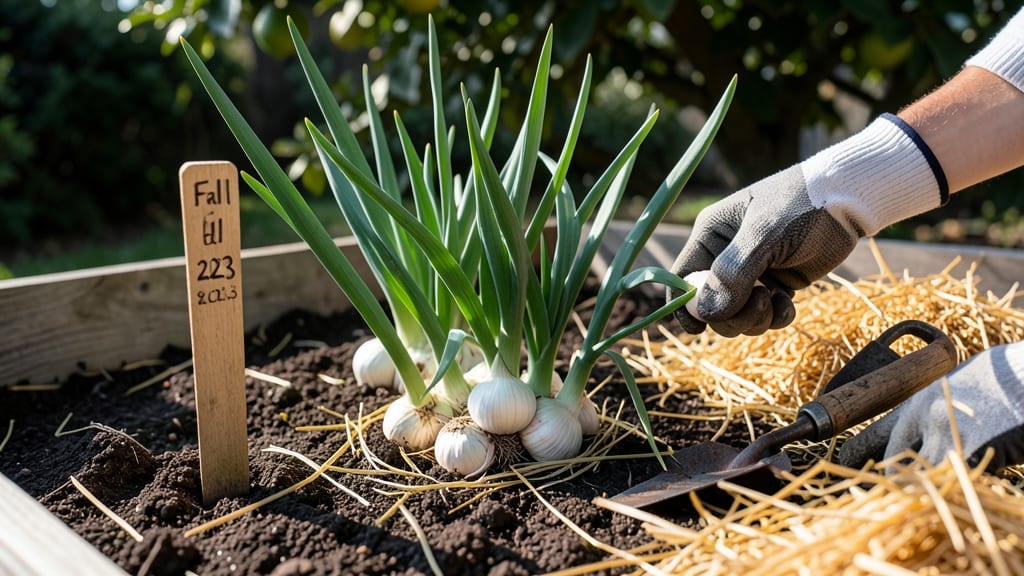
Timing your garlic planting in NC spring can mean the difference between a bumper crop and wasted effort—especially when choosing between hardneck and softneck varieties.
The wrong schedule might leave you with stunted bulbs or even no harvest at all, but get it right, and you’ll enjoy fresh 🧄 straight from your garden by summer.
North Carolina’s unique climate—spanning USDA zones 6a-8b—demands precision. Hardneck varieties, like Rocambole or Silverskin, thrive when planted early, while softneck types (like Creole) are more forgiving.
The key? Planting 6-8 weeks before your last expected frost—typically between February and early March—ensures strong root establishment before spring’s heat arrives.
Don’t let common mistakes derail your harvest. Many gardeners overlook soil prep or confuse planting depth, but these small details directly impact yield. I’ll break down the exact steps to avoid waste, whether you’re a first-time grower or a seasoned pro looking to refine your method.
Ready to grow garlic that’s hardier, tastier, and zero-waste? Let’s dive into the perfect planting schedule for your NC garden—so you can enjoy homegrown cloves without the guesswork.
NC spring planting calendar: hardneck vs softneck garlic timing explained
North Carolina gardeners have two prime windows to plant garlic: fall (October-November) and early spring (February-March). But the best choice depends on your garlic variety and local microclimate.
Hardneck varieties like Rocks and Artichoke thrive with cold vernalization, while softnecks like Silverskin and Creole are more flexible. Let’s break down the exact timing for each.
For spring planting, the ideal window is February 15 to March 15 across most of NC. This gives bulbs time to establish roots before soil warms in late spring.
In Zone 6a (mountain regions), aim for late February to early March, while Zone 8b (coastal areas) can plant as early as mid-February. Soil temperatures should be 40-50°F for optimal germination.
Missed the spring window? Don’t worry—fall planting is still your best bet. Plant 4-6 weeks before your average first frost (typically October 15 to November 15).
Hardnecks perform best with winter chilling, while softnecks can handle milder winters. In Zone 8b, extend planting to early December if soil remains workable.
Here’s the key difference: Hardneck garlic needs cold exposure (30-40°F for 6-8 weeks) to form bulbs, while softneck garlic matures slower and can tolerate warmer winters. If you’re in a mild microclimate (like the Piedmont), softnecks may yield better in spring.
Pro tip: Use a soil thermometer to confirm readiness. Plant when soil temps are consistently above 40°F but below 50°F. Avoid planting when frost is forecasted within 2 weeks—young shoots won’t survive.
| Variety Type | Best Planting Window (NC) | Cold Requirement | Yield Timeframe | NC Zone Fit |
|---|---|---|---|---|
| Hardneck (Rocks, Artichoke) | Fall: Oct 15-Nov 15 Spring: Feb 15-Mar 15 |
6-8 weeks below 40°F | May-June (90-120 days) | 6a-8a (best in cooler zones) |
| Softneck (Silverskin, Creole) | Fall: Oct 1-Nov 30 Spring: Feb 1-Mar 31 |
Minimal (tolerates mild winters) | June-July (120-150 days) | 7a-8b (best in warmer zones) |
*Adjust dates 1-2 weeks earlier for Zone 8b or later for Zone 6a.
If you’re planting in spring, prioritize hardneck varieties for Zone 6a-7a, where winters are cold enough for vernalization. In Zone 8b, softnecks like Creole or Silverskin are your best bet—they mature later and store longer.
For urban gardeners in Raleigh or Charlotte, aim for late February to avoid spring heat stress.
One common mistake? Planting garlic too early in spring when soil is still cold. Wait until daytime temps consistently stay above 50°F and nights above 35°F. Use black plastic mulch to warm soil faster if needed.
In cooler microclimates (like the Blue Ridge Mountains), extend planting to early April for hardnecks.
For fall planting, the goal is to give garlic roots time to establish before winter. In Zone 6a, plant by November 1 to avoid winter kill. In Zone 8b, you can push it to mid-December if soil stays workable.
Mulch with straw or leaves (4-6 inches) to protect bulbs from freezing and thawing cycles.
Remember: Garlic planted in fall typically yields larger bulbs than spring-planted garlic. But spring planting is your only option if you missed the fall window or live in a mild-winter zone like the coast. Test a few cloves of each variety to see what thrives in your specific NC conditions.
Need a quick reference? Bookmark this: Hardnecks = fall or early spring; Softnecks = flexible but prefer fall. Now grab your cloves and get planting—your zero-waste garlic harvest starts with the right timing! 🧄
NC spring planting calendar: hardneck vs softneck garlic timing explained
North Carolina gardeners often debate whether to plant garlic in fall or spring—but for spring planting, timing is critical to avoid stunted growth or missed harvests. Unlike fall-planted garlic, which overwinters, spring garlic needs to establish roots before active growth begins.
In NC’s USDA Zones 6a-8b, the ideal window is February through early March, just before soil temperatures rise above 50°F (10°C).
Hardneck varieties (like ‘Rock’ or ‘German White’) and softneck types (such as ‘Silverskin’ or ‘Creole’) have slightly different needs. Hardnecks require longer daylengths to form bulbs, while softnecks thrive in shorter seasons.
Missing the spring window risks bolting (premature flowering) or weak bulbs. Let’s break down the exact months and soil triggers for each type.
| Variety | Ideal Planting Month | Soil Temp Trigger | Frost Risk | Harvest Window |
|---|---|---|---|---|
| Hardneck (e.g., 'Rock', 'Artichoke') | February–early March | 45–50°F (7–10°C) | Low (post-last frost) | Late May–June |
| Softneck (e.g., 'Silverskin', 'Creole') | Late February–March | 50–55°F (10–13°C) | Moderate (avoid late frosts) | June–July |
For Zone 6a (e.g., Asheville), aim to plant by March 1st to avoid late frosts that can damage young shoots. In Zone 8b (e.g., Wilmington), you have until mid-March thanks to warmer soils.
Test soil readiness with a soil thermometer—plant only when temps stabilize above 45°F (7°C) for hardnecks or 50°F (10°C) for softnecks.
Pro tip: Pre-sprout cloves indoors in late January to jumpstart growth. Place peeled cloves on a damp paper towel in a cool, dark spot until roots emerge (about 2–3 weeks). This gives you a 2-week head start on the season.
After planting, mulch with straw or shredded leaves to retain moisture and suppress weeds. Avoid nitrogen-heavy fertilizers in early spring—they encourage leafy growth at the expense of bulb development. Instead, use a balanced 10-10-10 fertilizer in April once shoots are 4–6 inches tall.
Remember: Spring-planted garlic in NC yields smaller bulbs than fall-planted varieties, but it’s a great backup if you missed the fall window. For best results, pair spring garlic with cool-season crops like spinach or kale to maximize garden space.