
Plants
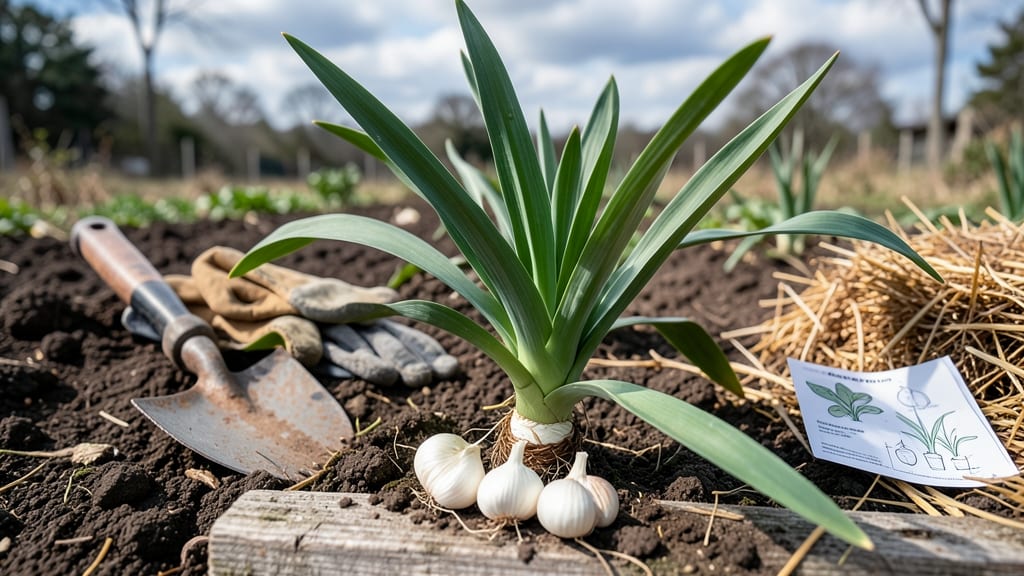
Planting garlic at the wrong time in Virginia can mean the difference between a bountiful harvest and a wasted effort. With USDA zones 6a-8a bringing unique challenges, timing is everything for your 🧄 crop to thrive.
The key lies in planting 4-6 weeks before the first frost, typically between mid-October and early November for hardneck varieties.
Why does this matter? Because Virginia’s climate swings from early freezes in the mountains to milder coastal winters, and getting the timing right ensures your garlic establishes strong roots before dormancy. Whether you’re in Richmond’s Piedmont or the Shenandoah Valley, understanding these regional differences is your secret weapon for success.
I’ll walk you through exactly when to plant based on your specific zone, how to adjust for unpredictable weather, and what to watch for in the soil. No more guessing—just climate-smart planting that guarantees plump, flavorful bulbs ready for harvest next summer.
Ready to transform your garden? Let’s dive into the perfect planting window for Virginia’s garlic growers, so you can enjoy homegrown harvests year after year.
Best planting months for garlic in Virginia’s climate zones
Virginia’s diverse climate zones—from the cooler mountains to the warmer coastal plains—mean garlic planting times vary by region. To maximize your harvest, align your schedule with your USDA hardiness zone (6a–8a) and local frost dates.
Most Virginia gardeners plant garlic in fall for a summer harvest, but timing shifts slightly between zones.
In Zone 6a (northern VA, like Roanoke), aim to plant garlic mid-October to early November. This gives cloves 4–6 weeks to root before the ground freezes. In Zone 7a (central VA, like Charlottesville), extend your window to late October to mid-November.
For Zone 8a (southern VA, like Richmond), plant early November to December to avoid winter rains that can rot bulbs.
Spring planting is also an option but yields smaller bulbs. If you miss fall, plant in early March—just as the soil warms to 50°F—and expect a harvest the same year. However, spring-planted garlic often lacks the bold flavor of fall-planted varieties.
Virginia’s microclimates add complexity. Mountain regions (e.g., Blacksburg) may need earlier planting due to earlier frosts, while Coastal VA (e.g., Norfolk) can plant later but risks soggy soils in winter. Always check your local frost dates—aim for 4–6 weeks before the first hard freeze.
Hardneck vs. softneck varieties also influence timing. Hardneck garlic (like 'Music' or 'German Red') thrives in Virginia’s winters and is best planted in fall. Softneck garlic (like 'Silverskin') tolerates milder winters and can sometimes be planted in late fall or early spring, but fall planting still yields better results.
| Zone | Region | Fall Planting Window | Spring Planting Window | Key Consideration |
|---|---|---|---|---|
| 6a | Northern VA (Roanoke, Lynchburg) | Mid-October to early November | Early March | Earlier frosts; prioritize hardneck varieties |
| 7a | Central VA (Charlottesville, Fredericksburg) | Late October to mid-November | Mid-March | Moderate winters; softneck options possible |
| 8a | Southern VA (Richmond, Norfolk) | Early November to December | Late March | Warmer winters; watch for soggy soils |
For Coastal Virginia, where winters are milder but soils can stay wet, opt for raised beds or sandy loam to prevent rot. In mountainous areas, use heavy mulch (like straw) to insulate bulbs from freeze-thaw cycles.
If you’re unsure about your frost dates, consult your local Cooperative Extension office—they provide hyperlocal advice tailored to your county.
Pro tip: Test your soil before planting. Garlic prefers well-draining soil with a pH of 6.0–7.0.
If your soil is too acidic, amend it with lime 2–3 weeks before planting. Rich, loamy soil in Virginia’s Piedmont region (like Orange County) is ideal, but even sandy soils can work with proper amendments.
Remember, garlic planted in fall will harvest the following summer (June–July), while spring-planted garlic may mature by late summer or fall. Plan ahead to avoid overlapping harvests or missed windows. With the right timing, you’ll enjoy homegrown garlic that’s larger, sweeter, and more flavorful than store-bought.
🧄
How to adjust planting time for Virginia’s unpredictable weather patterns
Virginia’s weather can be as unpredictable as a spring shower—one week you’re dodging early freezes in the mountains, and the next, coastal areas are basking in unseasonably warm temperatures. This variability means your garlic planting window might need last-minute adjustments.
The key is flexibility: knowing how to read your local climate cues and when to push your planting date forward or backward.
For most of Virginia, the ideal planting window is mid-October to early November, but if your area experiences an early frost (like the Blue Ridge Mountains in USDA zone 6a), you may need to plant as early as late September.
Conversely, in milder zones like zone 8a (e.g., Norfolk or Richmond), you might extend planting into early December. The rule of thumb? Aim for 4-6 weeks before the ground freezes—not the air temperature, but the soil.
Here’s where things get tricky: if your soil stays too warm (above 50°F) after planting, your garlic cloves might sprout too soon and get damaged by frost. Use a soil thermometer to check—if temps hover around 40-50°F, you’re in the sweet spot for root establishment.
If your soil is still too warm, hold off until temperatures drop a few more degrees.
⚠️ Callout Warning: Don’t Plant Too Late!
If you wait until November or December, your garlic may not have enough time to develop a strong root system before winter dormancy. Late-planted garlic often produces smaller, weaker bulbs or even fails to mature. In zone 7a or below, aim to finish planting by November 15 at the latest.
Another challenge? Unpredictable springs. While fall planting is ideal, some gardeners opt for a spring planting backup (March in most zones) if fall conditions were unfavorable. Spring-planted garlic typically matures 30-50% smaller than fall-planted varieties, but it’s better than nothing if you missed the fall window.
For spring planting, use smaller cloves (like those from grocery-store bulbs) and plant them shallowly (1 inch deep) to encourage faster sprouting.
To protect your garlic from temperature swings, apply a 4-6 inch layer of mulch (straw or leaves work best) after planting. This insulates the soil, preventing extreme temperature fluctuations that can stress your cloves. In years with mild winters, mulch also prevents premature sprouting in late winter. Just
Finally, keep an eye on your local weather forecasts and historical frost dates. Websites like the Virginia Cooperative Extension or tools like the National Weather Service’s frost prediction maps can give you advanced warning of early freezes. If a hard freeze is forecasted within 2 weeks of planting, consider covering your garlic beds with row fabric or old blankets until the threat passes.