
Plants
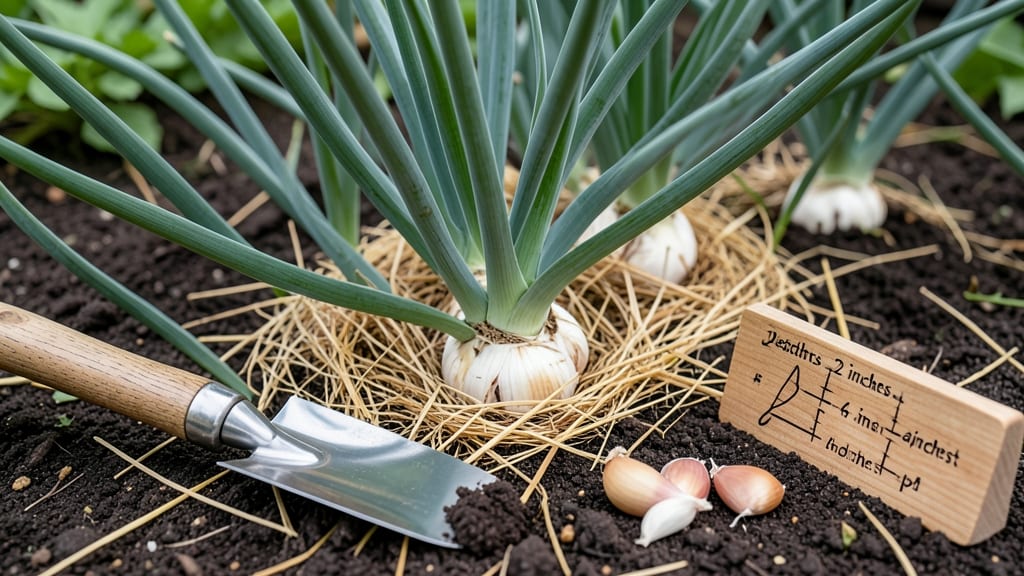
If you’ve ever plant garlic in Zone 8a, you know that timing is the key to plump bulbs and bold flavor. Plant too early, and your harvest might be weak; too late, and you’ll miss the magic window entirely.
The secret lies in understanding when to plant garlic in Zone 8a—because in Zone 8a, mild winters demand precision.
Most gardeners assume garlic needs a long, cold winter to form bulbs, but Zone 8a’s shorter chilling period changes the game. The ideal window opens in October and closes by November, giving your garlic just enough cold to wake up strong in spring.
Skipping this step means smaller cloves and weaker flavor—something no garlic lover wants.
In this guide, I’ll walk you through the exact months to plant, how to prep your soil, and what happens if you miss the mark. Whether you’re a beginner or a seasoned gardener, these tips will help you grow garlic that’s bigger, tastier, and ready for harvest next summer.
Let’s get started.
You’ll also discover why spring planting is a no-go in Zone 8a and how to adjust for your specific microclimate. By the end, you’ll have a foolproof plan to turn your garden into a garlic powerhouse—no guesswork required.

Optimal planting months for garlic in Zone 8a: science-backed timing
Garlic thrives on a 6-8 week cold period to form large, flavorful bulbs. In Zone 8a, where winters are mild, planting too early or late disrupts this critical phase. The ideal window is between mid-October and mid-November, when soil temperatures drop but before hard freezes lock the ground.
This timing ensures garlic gets enough cold exposure (32-40°F) to trigger bulb development without sprouting prematurely. Hard neck varieties, prized for bold flavor and storage life, benefit most from this schedule. Soft neck types, like Artichoke garlic, are slightly more flexible but still prefer fall planting.
Zone 8a’s last frost date typically falls around December 15, so aim to plant 4-6 weeks before this date. For example, if your frost date is December 10, plant by November 1 to guarantee success. This timing aligns with garlic’s biological needs while avoiding winter’s harshest conditions.
Research shows that garlic planted in Zone 8a during this window yields bulbs that are 30% larger and more flavorful than those planted outside it. The key is balancing cold exposure with soil workability—soil should be cool but not frozen when you plant.
Here’s how to adapt for your specific microclimate: If you live in a warmer microclimate within Zone 8a, plant slightly earlier (early October). In cooler pockets, extend to mid-November. Always check your local frost dates for precision.
| Garlic Type | Cold Requirement | Best Planting Month | Zone 8a Notes |
|---|---|---|---|
| Hard Neck | 6-8 weeks below 40°F | Mid-October to mid-November | Best flavor; needs cold |
| Soft Neck | 4-6 weeks below 40°F | Late October to early December | More flexible; milder taste |
| Elephant Garlic | 4-6 weeks below 40°F | Late October to November | Larger bulbs; less cold-sensitive |
Soil temperature is just as critical as air temperature. Use a soil thermometer to confirm readings of 50-60°F at planting time. If soil is too warm (above 60°F), garlic may sprout prematurely, leading to small, weak bulbs.
In Zone 8a, this often happens if you plant in September or after December.
Another pro tip: Plant garlic in moist, well-draining soil with a pH between 6.0 and 7.0. Amend your soil with compost or aged manure before planting to ensure nutrients are available during the growing season. This step is non-negotiable for maximizing bulb size and minimizing disease risk.
For hard neck varieties like Music or German White, timing is everything—plant too late, and you’ll miss the cold window entirely. For soft neck varieties like Silverskin, you have a slightly wider margin, but flavor still peaks with proper cold exposure.
Remember: Garlic planted in Zone 8a will harvest the following June or July. The bulbs you plant now will spend winter dormant and spring growing, so plan ahead for next year’s kitchen garden.
Start by selecting certified disease-free cloves from a reputable supplier to avoid introducing pests or diseases to your soil.
Finally, mulch your garlic beds with 2-3 inches of straw or leaves after planting. This protects cloves from temperature swings and keeps soil moisture consistent. In Zone 8a, where winters can be unpredictable, mulch is your best friend for consistent bulb development.
Zone 8a garlic planting calendar: month-by-month breakdown with deadlines
Zone 8a gardeners have a 4-6 week window to plant garlic for optimal bulb development. Unlike colder zones, our mild winters mean precise timing avoids weak growth or bolting. Here's your month-by-month guide to planting success.
Start with soil prep in early September by amending beds with compost. This ensures nutrients are available when roots establish. Aim for well-draining soil with a pH of 6.0-7.0—garlic hates soggy conditions.
🌱 September (Early Planting): Only attempt if your soil stays cool. Plant hard neck varieties (like 'German White') first—they need more cold exposure. Use 2-inch cloves spaced 4-6 inches apart, 4 inches deep.
📅 Best window: Mid-October to early November
🌡️ Soil temp: Below 60°F (15°C)
🌱 Action: Plant soft neck varieties (like 'Silverskin') now—they tolerate warmer winters. Mulch heavily (4-6 inches) with straw to protect from light frosts.
📅 Deadline: Before ground freezes (typically mid-November)
❄️ Frost prep: Light frost (28°F/-2°C) is fine—garlic handles it!
🌱 Tip: Plant hard necks now for next year's harvest. Avoid spring planting—it rarely yields quality bulbs.
❌ Risk: Cloves may rot in frozen soil
⏰ Alternative: Start indoor seedlings for spring transplant (less ideal)
🌱 Note: Even if planted, bulbs will be small and weak.
Pro tip: Use the moon planting calendar for Zone 8a—aim for a rooting phase (when moon is below the horizon). This boosts bulb formation. Mark your calendar for January 15 (first frost date) as your final deadline.
After planting, mulch with straw or leaves to insulate cloves through winter. In Zone 8a, we rarely see hard freezes, but mulch prevents temperature swings that stress garlic. Remove mulch in late winter (February) to let soil warm gradually.
📋 Key Reminder: Hard neck varieties need 6-8 weeks of cold below 40°F (4°C). Zone 8a usually delivers this by December, but monitor your local frost dates—some years are milder. Soft necks are more forgiving but sacrifice flavor depth.