
Plants
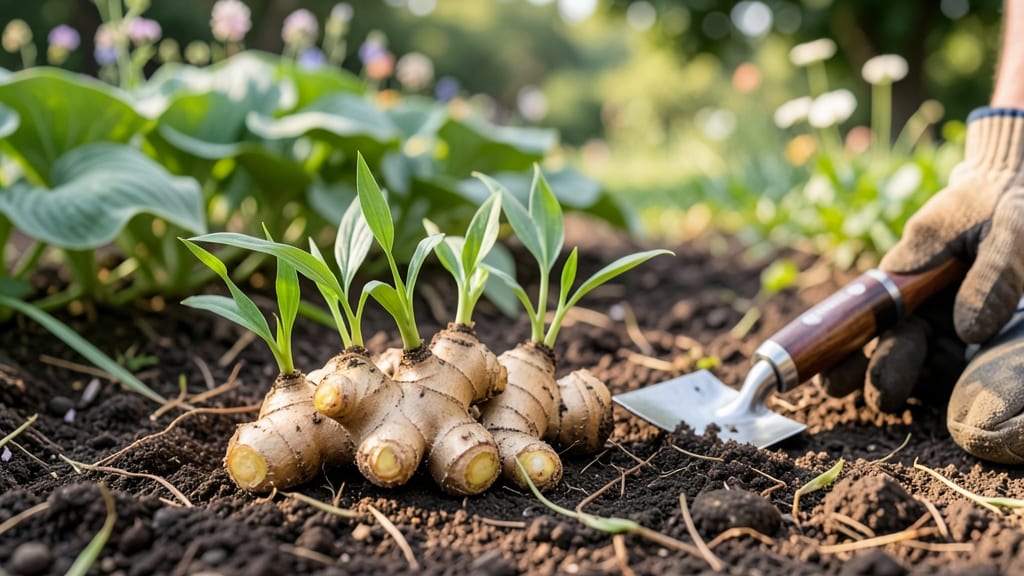
Knowing when to plant ginger in Zone 8 isn’t just about checking the calendar—it’s about catching that sweet spot when soil warmth and moisture align just right for your 🌿 rhizomes to thrive.
Plant too early, and you risk soggy, rotting roots; too late, and your harvest might never fully develop. The key? Timing it when temperatures hit that 60-80°F range, typically between late winter and early spring.
Ginger behaves differently in Zone 8 than in tropical climates, where it’s perennial. Here, it’s usually grown as an annual, meaning you’ll replant each year—but with the right timing, you can still enjoy a robust harvest.
The secret lies in those first warm weeks after the last frost, when the ground is ready to welcome your rhizomes without the threat of cold snaps.
I’ve learned the hard way that rushing the process leads to weak plants, so let’s break down exactly what to watch for—from soil temperature checks to the ideal planting window.
Whether you’re a seasoned gardener or just starting, these insights will help you avoid common pitfalls and set your ginger up for success.
Ready to transform your garden into a fragrant ginger patch? Let’s dive into the most important steps to ensure your rhizomes grow strong, plump, and ready for harvest by fall. You’ll be sipping ginger tea made from your own homegrown roots in no time!

Optimal planting times for ginger in Zone 8 based on soil temperature
Ginger thrives in warm soil temperatures between 60°F and 80°F, making late winter to early spring the ideal window for Zone 8 gardeners. Unlike frost-sensitive tropical plants, ginger can tolerate brief cold snaps but struggles when soil stays below 55°F.
In Zone 8, this means waiting until after your last expected frost date—typically mid-February to early March—to ensure rhizomes don’t rot.
I’ve found that March and April are the sweet spots for planting ginger in my Zone 8 garden. These months offer consistent soil warmth (65°F+) while avoiding the peak summer heat that can stress young plants.
For a second planting, late summer (August) works if you’re in a cooler microclimate or use shade cloth to protect tender shoots.
Here’s the key: Soil temperature matters more than air temperature. Use a soil thermometer to confirm warmth before planting. If your soil is still chilly in March, wait another week—rushing leads to moldy rhizomes.
In my experience, delaying until April often yields healthier ginger than planting too early.
| Planting Window | Soil Temp Requirement | Zone 8 Months | Pros | Cons |
|---|---|---|---|---|
| Primary Planting | 60°F–80°F | March–April | Longer growing season, larger rhizomes | Requires patience for soil warmth |
| Secondary Planting | 65°F+ (with shade) | August–September | Avoids summer heat stress | Shorter harvest window before frost |
| Avoid Planting | Below 55°F | January–February | — | Rhizome rot, poor sprouting |
In coastal Zone 8 areas, where winters are milder, you might push planting to February. But inland or in valleys with cold air pockets, stick to after March 15.
I once planted ginger in early February in my inland garden, and 80% of the rhizomes rotted—a costly lesson!
For container growing, warm up pots indoors under grow lights until soil reaches 65°F, then transplant outdoors in April. This trick extends your growing season by 2–3 weeks, which is a game-changer for smaller gardens or urban balconies.
Pro tip: Test your soil’s warmth by pressing your hand 2 inches deep—if it feels cool to the touch, wait. Ginger rhizomes are sensitive to cold, and even a single week of chilly soil can set back growth by 3–4 weeks.
Patience here pays off with plump, aromatic rhizomes by fall.
If you’re planting in late summer (August), focus on shade protection (e.g., 30% shade cloth) to mimic tropical conditions. I’ve had success with this method in hot inland Zone 8, where afternoon sun would scorch young leaves.
Just avoid planting after September 15, or your ginger won’t mature before the first frost.
Remember: Ginger is a perennial in Zone 8, but it’s often grown as an annual for harvest. If you plant in spring, you’ll harvest in fall; if you plant in late summer, you’ll get a smaller but still usable crop before winter.
Either way, timing is everything—and your rhizomes will thank you.
Optimal planting times for ginger in Zone 8 based on soil temperature
Ginger thrives in Zone 8 when planted during its ideal soil temperature window of 60–80°F. Unlike cool-season crops, ginger requires warmth to sprout and grow, making early spring or late summer the best times.
In Zone 8, this typically aligns with March–April for spring planting or late August–September for a fall harvest. The key? Soil warmth, not just air temperature.
Use a soil thermometer to check depth (2–3 inches). If readings dip below 60°F, wait—ginger rhizomes will rot in cold soil.
In Zone 8, this usually means avoiding planting before mid-March unless you use black plastic mulch to warm the soil faster. Pro tip: Plant after your last frost date (typically February 15), but verify with local weather trends.
| Planting Window | Soil Temp Requirement | Zone 8 Months | Pros |
|---|---|---|---|
| Spring | 60–80°F | March–April | Longer growing season, larger rhizomes |
| Fall | 65–75°F | Late August–September | Avoids summer heat stress, harvest before frost |
Spring planting (March–April) gives ginger 8–10 months to mature before Zone 8’s first frost (November 15). This method yields the largest rhizomes but requires consistent moisture.
Fall planting (late summer) is riskier—ginger needs at least 6 months of growth to harvest, so aim for a September start to finish before cold sets in. Coastal areas may extend this window by 2–3 weeks due to milder microclimates.
Missed the spring window? Don’t panic. Ginger can tolerate light frosts if soil stays warm, but avoid planting after October 1—rhizomes won’t mature before winter. For a second harvest, try a container setup with shade cloth to regulate temperature.
Just ensure pots have drainage holes to prevent root rot in Zone 8’s humid summers.
Watch for soil moisture during planting. Ginger rhizomes dry out quickly in Zone 8’s heat. Water deeply 2–3 days before planting to hydrate the soil, then mulch with straw or leaves to retain moisture.
Overwatering is worse than underwatering—ginger hates soggy soil. Aim for 1 inch of water per week, adjusting for rain.
Timing isn’t just about months—it’s about microclimates. Inland Zone 8 areas (e.g., San Antonio) may need to plant 2 weeks earlier than coastal spots (e.g., San Diego).
Observe your garden’s sun exposure: Ginger prefers partial shade (4–6 hours of sun). If your yard is hotter, plant near trees or fences to create natural shade.