
Plants
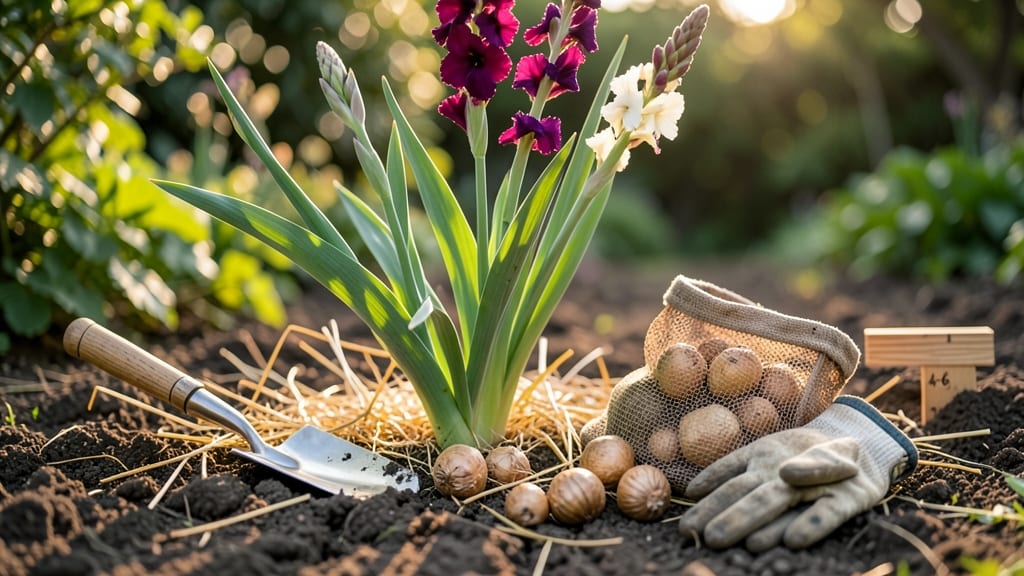
Timing when to plant gladiolus bulbs in North Carolina perfectly can mean the difference between a jaw-dropping summer garden and a missed opportunity.
These striking flowers need just the right conditions to thrive, and planting them at the wrong time—whether too early or too late—can leave you with wilted dreams instead of bold blooms.
For gardeners in zones 7a-8b, the ideal window opens in early spring (March-April), when soil temperatures warm enough to encourage root growth without risking frost damage. But here's the catch: rushing too soon can cause rot, while waiting too long might shorten your bloom time.
Let me show you exactly how to nail that perfect planting window for showstopping summer color.
You don't need a green thumb or complicated tools—just a few key insights about soil prep, spacing, and when to get those corms in the ground. I'll walk you through the simple steps that even beginner gardeners can master to grow Gladiolus 🌸 that'll make your neighbors green with envy.
Ready to transform your garden? Let's dive into the best months to plant, how to adjust for NC's heat, and the common mistakes that could ruin your blooms before they even begin.
Best planting months for gladiolus bulbs in NC by hardiness Zone
North Carolina’s USDA Zones 7a-8b offer two prime windows for planting gladiolus bulbs, but timing is everything. In Zone 7a, where frost lingers until mid-March, aim for early April planting.
Meanwhile, Zone 8b gardeners can start as early as late February—just before soil warms to 60°F (15°C). These bulbs thrive in warm soil, so rushing too soon risks rot.
For summer blooms, most NC gardeners focus on spring planting (March-April), but a second chance exists in early June for late-season color. This early summer window works because gladiolus corms need 90-120 days to mature—perfect for August-October displays.
However, avoid planting after July 1st, as blooms may struggle in NC’s intense summer heat.
Here’s the golden rule: Plant 4-6 weeks before your last frost date. In Raleigh (Zone 7b), that’s March 15th; in Asheville (Zone 7a), wait until April 1st. Use a soil thermometer to confirm 55°F (13°C) minimum—cold soil delays sprouting and weakens stems.
🌱 Pro Tip: In Zone 8b (e.g., Wilmington), you can experiment with February planting for earlier blooms, but mulch heavily to protect from unpredictable late frosts. A 3-inch straw mulch adds 5-10°F protection when temps dip.
For Zone 7a gardeners, the April 1st deadline is non-negotiable—planting later risks stunted growth from NC’s humid summers. In Zone 8b, February planting can yield April blooms, but monitor soil moisture closely.
Gladiolus corms rot in soggy soil, so amend clay-heavy NC soils with compost or sand to improve drainage.
🌿 Regional Hack: In western NC’s higher elevations (e.g., Boone, Zone 6b), push planting to mid-April—the shorter growing season demands later starts. Use black plastic mulch to warm soil 5-10°F faster and extend the season.
Remember: Gladiolus corms are not frost-tolerant, but their foliage can handle light frosts (28°F/-2°C) once established. If you’re cutting flowers, prioritize early April planting for July-August harvests—NC’s peak heat in August can stress late plantings.
✂️ Action Step: Mark your calendar for 4-6 weeks before last frost and test soil temps with a digital thermometer. For Raleigh, that’s March 15th; for Asheville, April 1st. Proceed only when soil hits 55°F (13°C)—this ensures vigorous root growth before summer’s heat arrives.
Best planting months for gladiolus bulbs in NC by hardiness Zone
North Carolina’s diverse hardiness zones (7a-8b) mean your gladiolus planting window varies slightly depending on where you live. For Zone 7a (e.g., Raleigh), aim to plant 4-6 weeks before your last frost date—typically mid-March to early April.
In Zone 8b (e.g., Wilmington), you can push it back to late March to early May since frost risks are lower. The key is soil temperature: gladiolus corms need 60°F+ soil to sprout successfully.
If you’re in Zone 7a, planting too early (February) risks cold soil and rot. Wait until soil warms to 60°F—use a soil thermometer if unsure. For Zone 8b, you’ve got more flexibility, but planting after mid-April may delay blooms until late summer.
My rule? Plant by May 1st in Zone 8b to ensure summer flowers.
Here’s the golden rule: Gladiolus bulbs planted in early spring (March-April) will reward you with peak summer blooms (July-August). But don’t overlook the second planting window—many NC gardeners also plant in early June for fall blooms (September-October), especially in warmer zones like 8a and 8b.
| Zone | Ideal Planting Month | Soil Temp Requirement | Last Frost Date | Bloom Time |
|---|---|---|---|---|
| 7a (Raleigh) | March 15 - April 15 | 60°F+ | March 15 | July - August |
| 7b (Charlotte) | March 20 - April 30 | 60°F+ | March 20 | July - September |
| 8a (Greenville) | April 1 - May 15 | 60°F+ | April 1 | July - October |
| 8b (Wilmington) | April 15 - June 1 | 60°F+ | April 15 | August - October |
Pro tip: Use NC State Extension’s frost date maps to pinpoint your exact last frost date. For example, Asheville’s last frost is April 1, so plant by mid-March for summer blooms.
In coastal areas like Wilmington (Zone 8b), you can plant as late as early June for fall flowers—just ensure 60°F soil before planting.
Remember, gladiolus bulbs are corms, not true bulbs, and they hate soggy soil. If your spring is rainy, hold off until the ground dries out. Well-draining soil is non-negotiable—amend heavy clay with compost or sand to prevent rot.
Once planted, keep soil consistently moist but not waterlogged until shoots emerge.
For extended summer blooms, consider succession planting: add a fresh batch of corms every 2-3 weeks from March through June. This staggered approach ensures continuous color from July through October—perfect for cutting gardens or bouquets!