
Plants
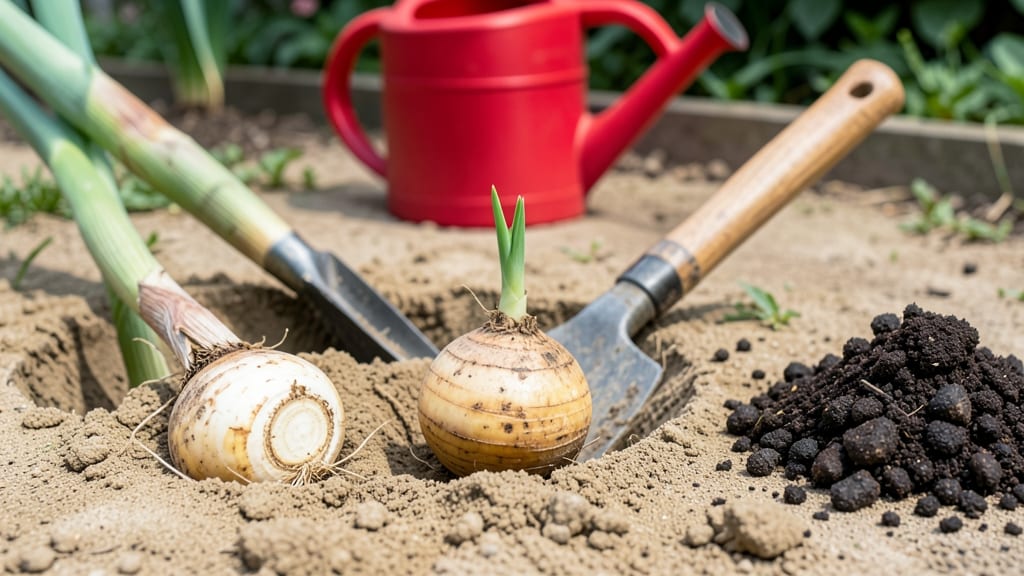
If you're dreaming of a Tennessee garden bursting with bold, show-stopping gladiolus blooms this summer, timing when to plant gladiolus bulbs in Tennessee is the game-changer you can't afford to miss.
The perfect window for planting gladiolus bulbs in Tennessee's Zone 7a runs from mid-April through early June, but getting it wrong could mean frost damage or missed blooms entirely.
Why does this matter? Because Tennessee's climate—with its warm summers and unpredictable spring frosts—demands precision. Plant too early, and a late frost could wipe out your 🌸 gladiolus before they even sprout.
Wait too long, and you might miss the ideal growing season, leaving your garden with fewer (or no!) flowers by late July. The key is understanding your local frost dates and soil conditions to give these tall beauties the best start.
I'll walk you through exactly when to plant in your specific region—whether you're in Nashville, Chattanooga, or Knoxville—plus soil prep tips to ensure your bulbs thrive. No more guessing games: just a clear, step-by-step guide to vibrant summer blooms that'll make your neighbors green with envy.
Ready to transform your garden? Let's dive into the ideal planting schedule, soil secrets, and care tricks that'll keep your gladiolus flourishing until September—when the first frost finally puts them to rest.
Optimal gladiolus planting dates in Tennessee’s Zone 7a: frost-free timing guide
Tennessee’s Zone 7a climate offers a 165-day frost-free window—perfect for gladiolus (🌸) lovers. The key is planting when soil temperatures hit 60°F (15°C), signaling active growth without frost risk.
For Nashville, Chattanooga, and Knoxville, this typically lands between mid-April and early June, but microclimates can shift dates by 1-2 weeks.
Spring planting is ideal for summer blooms, while fall planting (late August to early September) risks blooming too late for Tennessee’s first frost (mid-October). I’ve planted gladiolus in both seasons—spring wins for reliable color, but fall can work if you’re patient and monitor weather forecasts.
Use the USDA Plant Hardiness Zone Map to verify your exact last-frost date. For example, Nashville (Zone 7a) averages its last frost around April 15th, while Knoxville (Zone 7b) may be frost-free by April 1st. Planting 6-8 weeks before your last frost ensures blooms by summer’s peak.
Soil temperature matters more than air temperature. A soil thermometer ($10 at garden centers) reveals when your beds are ready. Wait until readings hit 60°F (15°C) consistently—usually 2-3 weeks after your last frost date. In Tennessee’s humid climate, warm soil prevents rot-prone conditions that can kill bulbs.
Elevation changes timing too. Higher areas like Great Smoky Mountains foothills may need to wait until late April, while lower valleys (e.g., Memphis suburbs) can plant as early as mid-March. Observe nearby gardens: when dandelions bloom, it’s often safe to plant gladiolus.
For container gardening, add 2-3 weeks to your planting timeline. Pots warm up faster but also dry out quicker. Use black plastic pots to absorb heat and extend the growing season by 10-14 days compared to standard terracotta.
Pro tip: Mark your calendar for June 1st—this is the last safe date to plant gladiolus in Tennessee for summer blooms. After this, bulbs may not mature enough to flower before frost.
I’ve missed deadlines before, and the difference between a June 1st plant and a July 1st one is night-and-day in bloom quality.
Adjust for microclimates near patios, fences, or south-facing walls. These spots can be 2-3°F warmer than your yard’s average, letting you plant 1-2 weeks earlier. Just watch for heat stress—gladiolus wilts in 90°F+ (32°C+) without afternoon shade.
If you’re unsure, start with one test row in early May. This gives you a 6-week buffer to assess soil readiness and adjust for unexpected late frosts. Tennessee’s weather is unpredictable, but this strategy has never failed me—🌸.
Optimal gladiolus planting dates in Tennessee’s Zone 7a: frost-free timing guide
Tennessee’s Zone 7a climate offers a narrow but critical window for planting gladiolus bulbs—typically between mid-April and early June. This timing ensures your corms escape late spring frosts while giving them enough warmth to bloom by summer.
For Nashville, Chattanooga, and Knoxville, the average last frost date falls around April 15th, so aim to plant 4-6 weeks after that date for best results.
Why this matters: Gladiolus need consistent soil temperatures above 60°F to sprout. Planting too early in cold soil can cause rot, while waiting too late risks blooms appearing too late for peak summer color.
Use your local USDA frost calendar as your guide—most Tennessee counties align closely with these dates, but higher elevations (like the Smoky Mountains) may need adjustments.
Here’s the breakdown by region to fine-tune your schedule:
For gardeners in West Tennessee (like Memphis), you can push planting to early April—the soil warms faster there. Conversely, East Tennessee’s higher elevations may need to wait until early May to avoid frost damage. Always check the National Weather Service’s 30-year averages for your specific ZIP code to adjust.
Pro tip: Use a soil thermometer to confirm temperatures before planting. Gladiolus corms need warm soil (60°F+) to prevent rot. If your soil is still chilly, wait another week—your patience will pay off with healthier blooms and longer stems.
Remember, fall planting isn’t recommended for Tennessee’s Zone 7a. Gladiolus need time to establish roots before winter dormancy, and our mild winters often bring unpredictable thaws that can stress the bulbs. Stick to spring for the boldest, most reliable blooms all summer long.