
Plants
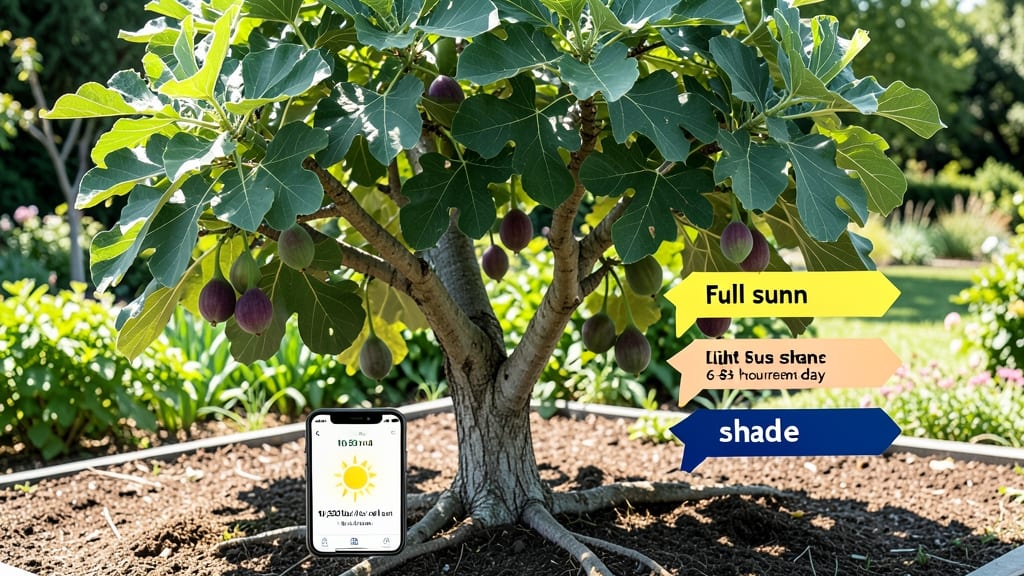
How much light does a fig plant need? might seem tricky, but mastering this is the secret to lush leaves and sweet fruit—too little and they stretch like they're reaching for help, while too much can turn their leaves crispy. If you've ever watched your fig struggle with yellowing leaves or slow growth, you're not alone, and the fix is simpler than you think.
Most gardeners assume "full sun" means dumping their fig in the hottest spot, but the truth is more nuanced.
These Mediterranean natives actually prefer 6-8 hours of direct sunlight—think of it as their daily vitamin D. The key isn't just hours, though; it's about balancing intensity, especially during those brutal afternoon rays that can scorch tender leaves.
Whether you're growing your fig in a sunny backyard or a cozy kitchen window, I'll show you exactly how to dial in the perfect light conditions.
We'll cover everything from recognizing the signs of light stress to smart adjustments for seasonal changes—so your fig thrives without turning into a crispy science experiment.
Ready to transform your leggy fig into a productive powerhouse? Let's dive into the sunlight spectrum secrets that'll have your plant booming with healthy growth instead of struggling to survive.

Fig plant light requirements: the ideal sunlight spectrum for healthy growth
Fig plants are sun worshippers—they crave 6 to 8 hours of direct sunlight daily to thrive. Without enough light, they become leggy and weak, while too much can cause leaf burns and crispy edges.
The key is finding that sweet spot where your fig plant gets enough energy to grow strong but stays protected from harsh afternoon rays.
Outdoor figs planted in USDA Zones 8-11 love basking in full sun all day. In cooler zones (like Zone 7), they still need at least 6 hours of direct sun, but afternoon shade during peak summer heat prevents stress.
Indoor figs? They’re trickier—they’ll stretch toward any light source, so a south-facing window is their best friend.
Here’s the breakdown: Morning sun is gentle, while afternoon sun can be intense. If you notice yellowing leaves or crispy edges, your plant might be getting too much direct sun. On the flip side, pale, sparse leaves signal it’s not getting enough light to photosynthesize properly.
🌱
| Fig Type | Light Needs | Signs of Too Little Light | Signs of Too Much Light |
|---|---|---|---|
| Outdoor Fig Trees | 6-8 hours full sun | Leggy growth, sparse leaves | Brown leaf edges, wilting |
| Container Figs (Outdoor) | 6+ hours sun, afternoon shade | Slow growth, pale leaves | Sunburnt spots on leaves |
| Indoor Figs | South-facing window, 4-6 hours bright light | Stretched stems, weak branches | Yellowing leaves, leaf drop |
| Dwarf Varieties (e.g., 'Little Miss Figgy') | 4-6 hours sun (tolerates partial shade) | Slow fruit production | Leaf scorch in hot climates |
Not all fig varieties are created equal. Standard fig trees like 'Brown Turkey' need full sun to fruit well, while dwarf varieties like 'Chicago Hardy' can tolerate partial shade (though they’ll produce fewer figs).
If you’re growing figs in containers, rotate them every few days to ensure even light exposure and prevent lopsided growth.
Seasonal adjustments matter too. In summer’s peak heat, outdoor figs may need afternoon shade to prevent leaf burn. In winter, indoor figs might need a grow light to compensate for shorter days.
Pay attention to your plant’s leaf color and growth rate—these are the best indicators of whether it’s getting just the right amount of light.
For outdoor figs, the best spot is south or west-facing, where they get morning sun and gentle afternoon light. If your yard is shady, choose a dwarf variety or supplement with a reflective surface (like a white wall) to bounce extra light onto the plant.
For indoor figs, avoid north-facing windows—they’re too dim for these sun-loving plants.
Pro tip: If your fig plant is leggy and sparse, it’s begging for more light. Move it closer to a window or add a grow light 6-8 inches above the plant.
On the other hand, if the leaves are crispy or curled, it’s getting too much direct sun—provide some shade cloth or move it to a spot with filtered light.
🪴
How to adjust light for fig plants: fixing leaf burns and stunted growth
If your fig plant’s leaves are turning crispy or yellowing at the edges, it’s likely getting too much direct sunlight. On the flip side, leggy stems and sparse foliage mean it’s craving more light.
The key is gradual adjustments—figs can’t handle sudden changes in light exposure, which can shock their delicate leaves.
Start by observing your plant’s current light conditions. Move indoor figs closer to a south-facing window in small increments (about 2 inches per day) to avoid sunburn. For outdoor plants, provide afternoon shade using a lightweight shade cloth (30-50% coverage) during peak sun hours (11 AM–3 PM).
🚨 Callout Warning:
- No gradual acclimation: Moving figs from shade to full sun overnight causes leaf scorch.
- Overwatering in bright light: Hot sun + wet soil = root rot risk.
- Ignoring seasonal changes: Winter sun is weaker—adjust care accordingly.
Pro Tip: Rotate your plant weekly for even growth if light is uneven.
For indoor figs, supplement natural light with a grow light (LED or fluorescent) if your space lacks sufficient sunlight. Aim for 12–14 hours of light daily, mimicking summer conditions. Place the light 6–12 inches above the plant and adjust as it grows.
Avoid placing figs near drafts or heating vents, as these can stress the plant even with perfect lighting.
Outdoor figs in hot climates (Zones 8+) may need afternoon shade to prevent heat stress. Use a DIY shade solution like a white umbrella or a sheer curtain draped over a trellis.
Monitor leaves daily: if they develop brown patches, move the plant to a slightly shadier spot immediately. Conversely, if new growth is pale or slow, it’s time to find a sunnier location.
Seasonal transitions are critical. In spring and fall, figs adapt more easily to light changes, but summer’s intense rays demand extra caution. Mulch around the base of outdoor plants to regulate soil temperature and reduce stress.
For container-grown figs, ensure pots have drainage holes and use a well-draining potting mix to prevent root issues.
Remember, figs are resilient once their light needs are met. With patience and observation, you’ll find the sweet spot between lush growth and happy, healthy leaves. Start small, watch closely, and adjust as needed—your fig plant will thank you with abundant fruit and vibrant foliage! 🍇