
Plants
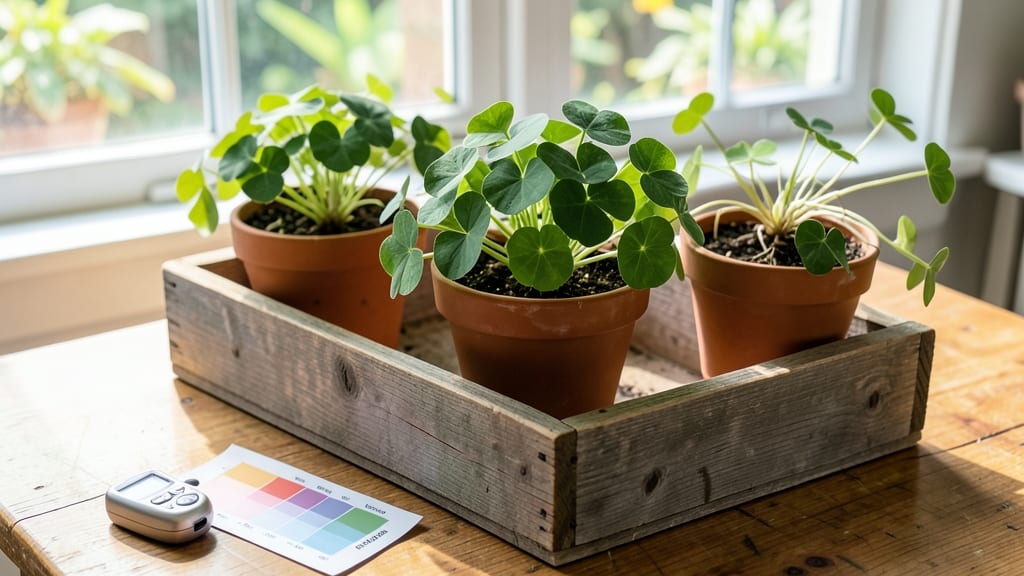
If you’re wondering how much light does a shamrock plant need, you’re not alone—light exposure is the most common reason these delicate plants struggle. The good news?
Finding the right balance isn’t rocket science, and with a few simple tweaks, you can transform those limp stems into vibrant, lush foliage that keeps thriving all season.
Shamrocks thrive in bright indirect light, but here’s the catch: too much direct sun can scorch their tender leaves, while too little leaves them weak and leggy.
Whether you’re growing yours indoors by a sunny window or outdoors in your garden, understanding their light needs is the key to keeping them happy. Let’s break down exactly how much light your shamrock craves—and how to spot when it’s getting just right (or just wrong).
Most gardeners assume shamrocks are low-maintenance, but their light requirements are actually more nuanced than you’d think. For instance, did you know that a north-facing window might not provide enough intensity, while a south-facing spot could fry your plant in hours?
We’ll cover the ideal light spectrum, how to adjust for seasonal changes, and even when artificial lighting becomes a game-changer for indoor growers.
By the end of this guide, you’ll know exactly where to place your shamrock—whether it’s basking in filtered morning sun or thriving under a grow light—to ensure those signature three (or four!) leaf clusters stay perky and green. Ready to give your plant the perfect light prescription? Let’s get started.

Ideal light requirements for shamrock plants: bright indirect sunlight explained
Shamrock plants (Oxalis spp.) thrive in bright indirect sunlight, making them perfect for east-facing windows or dappled outdoor shade. Unlike sun-loving succulents, these delicate plants reject harsh midday rays, which can scorch their tender leaves.
Aim for 4-6 hours of filtered light daily—think morning sun paired with afternoon shade.
Indoors, place your shamrock within 3 feet of an east-facing window where it receives gentle morning rays without the intense afternoon heat. If your space lacks natural light, supplement with artificial grow lights (more on this later!).
Outdoors, mimic their natural woodland habitat by positioning them under tree canopies or lattice structures to diffuse sunlight.
Measuring light intensity helps fine-tune care. Shamrocks prefer 1,000–2,000 foot-candles—about the brightness of a well-lit office. Use a light meter or observe leaf color: deep green indicates ideal conditions, while pale or yellowing leaves signal insufficient light.
Seasonal adjustments are key. In summer, move potted shamrocks to shadier spots to prevent leaf burn. During winter, supplement with grow lights if natural light dims below 1,000 foot-candles. Even low-light-tolerant varieties like Oxalis triangularis (purple shamrock) still need bright indirect light to maintain vibrant foliage.
| Light Condition | Foot-Candles | Leaf Color | Growth Effect |
|---|---|---|---|
| Low Light (<1,000) | Pale yellow | Leggy stems | |
| Ideal (1,000–2,000) | Deep green | Compact growth | |
| Too Much (>3,000) | Brown patches | Leaf burn |
For indoor gardeners, rotate your shamrock quarter-turn weekly to ensure even light exposure. Uneven growth (stems leaning toward the light) is a classic sign of light deprivation. Outdoors, avoid south-facing gardens unless you provide afternoon shade—direct sun turns leaves crispy and white within days.
Pro tip: Test your space’s light levels with a free smartphone app like "Light Meter." Place your phone near the plant’s spot for 5 minutes to check foot-candles. If readings drop below 1,500, invest in a full-spectrum LED grow light (more details in the next section!).
Even low-light varieties like the Irish shamrock (Trifolium dubium) need at least 3 hours of bright indirect light to prevent etiolation (stretched, weak stems). Pair your shamrock with low-light companions like pothos or peace lilies to create a balanced indoor ecosystem.
Adjusting light exposure isn’t just about placement—it’s about observation. Watch for leaf cupping (edges curling upward) or reddish stems, both signs of insufficient light. Conversely, white or grayish leaves scream "too much sun!" Use these cues to fine-tune your shamrock’s environment for peak performance.
Remember: Shamrocks are not low-maintenance plants—they’re light-sensitive divas. Give them the right balance, and they’ll reward you with year-round vibrant foliage and occasional delicate white or pink blooms. The effort is worth it for that lucky charm vibe in your home! 🍀
Ideal light requirements for shamrock plants: bright indirect sunlight explained
Shamrock plants (Oxalis spp.) thrive in bright indirect sunlight, making them perfect for indoor gardeners with limited direct sun exposure. Unlike sun-loving succulents, these plants prefer 4-6 hours of filtered light daily—think dappled shade under a tree or an east-facing window.
Too little light causes leggy growth, while too much direct sun can scorch their delicate leaves.
For indoor cultivation, position your shamrock near a window that receives morning sunlight (6 AM–12 PM) but avoids harsh afternoon rays. South-facing windows may require sheer curtains to diffuse intensity, while north-facing windows might need supplemental grow lights during winter months when natural light dims.
| Light Condition | Ideal Exposure | Leaf Indicators |
|---|---|---|
| Bright Indirect | 4-6 hours daily | Vibrant green leaves |
| Low Light | <2 hours | Pale, yellowing leaves |
| Direct Sun | >6 hours | Brown crispy edges |
Outdoor shamrocks adapt beautifully to partial shade gardens, especially in hot climates where afternoon sun can stress their foliage. If growing outdoors, place them under 60% shade cloth or near taller plants that provide natural shade.
In cooler regions, they tolerate morning sun exposure without issues, making them versatile for mixed borders.
Seasonal adjustments are key: Rotate your plant every 2-3 weeks to ensure even light exposure, preventing lopsided growth. In winter, supplement with a 12-hour LED grow light (6–12 inches away) to maintain their 1,000–2,000 foot-candle light needs. This mimics natural daylight cycles and keeps your shamrock lush year-round.
For urban gardeners, balcony railings or glass windowsills work well if positioned east-facing. Avoid west-facing spots, as intense afternoon sun can cause irreversible leaf damage. Test your space with a light meter (or smartphone app) to measure foot-candles—aim for the 40% sunlight range for optimal growth.
Remember, shamrocks are low-maintenance light lovers—they’ll forgive minor light fluctuations but reward consistency with vibrant four-leaf clovers and compact growth. Start with these guidelines, and your shamrock will thank you with bold, glossy foliage all season long! 🌿🍀