
Plants
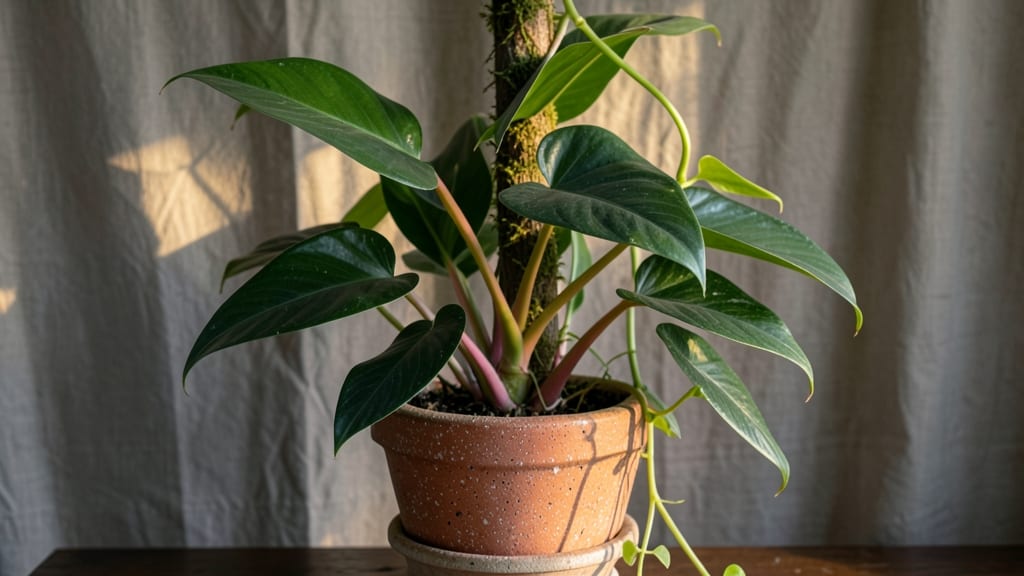
If your philodendron leaves are turning yellow or stretching toward the window like a sunflower, you’re probably asking yourself how much light does a philodendron plant need—and the answer might surprise you.
These lush, trailing plants thrive in conditions most people overlook: bright but indirect sunlight, not the harsh glare that burns other houseplants. Too little light leaves them leggy and weak, while too much can scorch their beautiful foliage.
Philodendrons are the ultimate low-maintenance greenery for busy plant parents, but getting their light right is the key to keeping them vibrant year-round. Whether you’re dealing with a compact heartleaf variety or a dramatic split-leaf, understanding their light tolerance will transform your plant care routine.
Let’s dive into the ideal setup for your 🌿 friend and troubleshoot common lighting mistakes.
Most people assume philodendrons need plenty of direct sun, but that’s a recipe for disaster. Instead, think of them as the perfect roommate for your north-facing windows or cozy living room corners.
With the right balance, you’ll see faster growth, deeper green leaves, and fewer of those frustrating brown spots. Ready to give your philodendron the light it truly craves?
In this guide, I’ll walk you through everything from identifying the perfect spot in your home to adjusting artificial lighting when natural light falls short.
You’ll discover how to spot over-exposure early and learn which philodendron varieties handle low light best—so you can keep your plant happy, no matter where you live.

Philodendron light requirements: the ideal balance of low to medium indirect sunlight
Philodendrons are low-light champions but still need the right balance to thrive. These tropical plants hate direct sunlight—it can burn their delicate leaves—but they also struggle in deep shade, which causes leggy growth and pale foliage.
The sweet spot is bright, indirect light, like what you’d find near a north-facing window or under a sheer curtain.
Think of philodendrons as the office plant superstars—they’re perfect for rooms with fluorescent lighting or moderate natural light. Even in low-light conditions, they’ll survive, but their growth will be slower, and leaves may stretch toward any available light source.
For optimal health, aim for 2-4 hours of filtered sunlight daily—this keeps their leaves vibrant and prevents those dreaded brown patches.
Here’s the quick rule of thumb: If your philodendron’s leaves are dark green and glossy, you’re nailing the light balance. But if you see yellowing or crispy edges, it’s getting too much sun.
Conversely, pale, stretched leaves mean it’s craving more light. Adjusting their spot is easier than you think!
🌱 Philodendron Light Requirements Summary
| Light Type | Ideal Conditions | Signs of Stress |
|---|---|---|
| Bright Indirect | 2-4 hours daily (north window) | Healthy dark green leaves |
| Low Light | Tolerates but grows slowly | Leggy, pale stems |
| Direct Sun | Avoid completely | Brown spots, crispy edges |
Not all philodendrons are created equal when it comes to light. Heartleaf philodendrons (like Philodendron hederaceum) are the most low-light tolerant, while varieties like Philodendron erubescens (aka Blushing Philodendron) need slightly brighter conditions to show off their stunning red stems.
Even within the same species, juvenile plants are more forgiving than mature ones—so give your baby philodendron a little extra shade if it’s still small.
One of my biggest mistakes was placing my philodendron in a south-facing window during summer. Within days, the leaves started crisping at the edges—a sure sign of sunburn.
I quickly moved it to a spot 3 feet away, and within weeks, it bounced back. Pro tip: If you don’t have a north-facing window, use a sheer curtain to diffuse harsh light from east or west windows.
For extra peace of mind, invest in a light meter (they’re cheap!) to measure 100-500 foot-candles—the perfect range for philodendrons. If your home lacks natural light, LED grow lights (like a simple 10W bulb) can mimic indirect sunlight.
Place it 6-12 inches above the plant for 12-14 hours daily—this works wonders in basements or dim offices.
Watch for these red flags to fine-tune your philodendron’s light:
- Brown patches = Too much direct sun
- Yellow leaves = Overwatering or too much light
- Stretched, pale leaves = Needs more light
- Slow growth = Likely low light
Remember, philodendrons are forgiving plants. Even if you accidentally overdo the light one day, they’ll recover with proper care. The key is consistency—give them the right conditions, and they’ll reward you with lush, vibrant growth for years. Now go check that window—your philodendron’s perfect spot is waiting! 🌿
How to adjust your home’s lighting for a thriving philodendron: room-by-room guide
Finding the perfect spot for your philodendron isn’t just about any window—it’s about creating the right light environment. Most homes have bright indirect light only in specific areas, so let’s explore how to optimize each room.
Start by testing your current light levels with a simple trick: hold a piece of white paper near your plant. If you can easily read text through the leaves, it’s getting too much direct sun.
North-facing windows are your best bet for philodendrons, offering gentle, filtered light all day. If your home lacks these, east-facing windows work too—just avoid the harsh morning rays with a sheer curtain. South-facing windows? These are danger zones unless you’re using artificial grow lights to diffuse the intensity.
✅ DO vs. ❌ DON'T for Philodendron Lighting
| DO | DON'T |
|---|---|
| Place near north-facing windows with sheer curtains | Expose to direct afternoon sun (south/west windows) |
| Use reflective surfaces (mirrors, white walls) to bounce light | Position near heat vents or drafty windows |
| Rotate plant quarter-turn weekly for even growth | Keep in dark corners for extended periods |
| Supplement with LED grow lights (6-8 hours/day) in low-light rooms | Use incandescent bulbs (they emit too much heat) |
For rooms without natural light, grow lights are a game-changer. Opt for full-spectrum LED bulbs (12-15 watts per square foot) and place them 6-12 inches above your plant.
Run them for 12-14 hours daily to mimic natural daylight cycles. Pro tip: Position your philodendron 3-4 feet from the light source to avoid leaf burn.
Watch for visual cues to adjust lighting: Dark green leaves with long stems signal low light, while crispy edges or bleached patches mean too much sun.
If your plant starts leaning toward the window, it’s begging for more even exposure. A simple weekly rotation keeps growth balanced and prevents lopsided vines.
Don’t overlook seasonal changes—winter light is weaker, so move your philodendron closer to the window or extend grow light hours. Conversely, in summer, filter harsh rays with a light sheer curtain to prevent leaf scorch. With these adjustments, your philodendron will reward you with lush, vibrant growth year-round.
Remember, philodendrons are adaptable, but consistency is key. Start with small tweaks—like moving it a few inches closer to the window—and observe how it responds. Over time, you’ll find that perfect lighting sweet spot where your plant thrives effortlessly.