
Plants
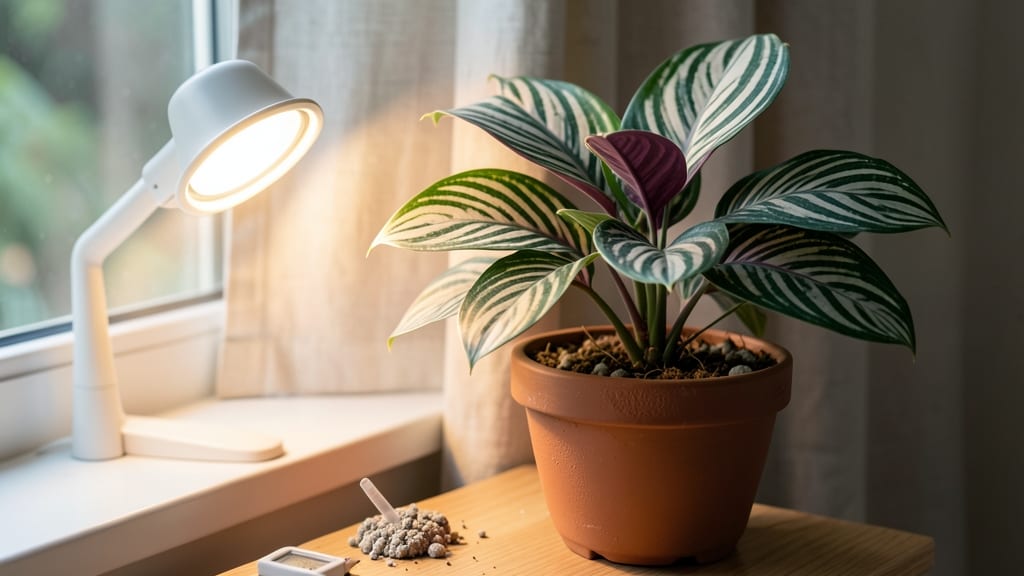
If your zebra plant 🌿 looks tired with droopy leaves or faded stripes, you’re probably missing the mark on its lighting needs. This striking houseplant isn’t fussy, but it does demand the right balance—too little light and it wilts, too much and the leaves scorch.
The secret to keeping it thriving lies in understanding its ideal light conditions, which might surprise you.
Most gardeners assume bright indirect light means near a south-facing window, but that’s often a recipe for disaster. Your zebra plant actually prefers gentle morning sun paired with afternoon shade, making east or north-facing spots perfect.
I’ll show you exactly where to place it—and what to watch for when the lighting isn’t quite right.
What’s even better? This plant adapts surprisingly well once you get the basics down. We’ll cover how to troubleshoot common issues like yellowing leaves or leggy growth, plus pro tips for adjusting light in low-light homes or high-glare spaces. No more guesswork—just vibrant foliage that stays show-stopping all year.
Ready to transform your zebra plant from lackluster to lush? Let’s dive into the lighting secrets that’ll keep those iconic stripes popping—and your plant happy for years to come.

Zebra plant light requirements: ideal bright indirect light explained
The zebra plant (Aphelandra squarrosa) thrives in bright indirect light, making it perfect for homes with filtered sunlight. This striking houseplant needs 4-6 hours of gentle light daily—think morning sun or dappled shade from sheer curtains.
Too little light causes leggy growth and faded foliage, while too much direct sun scorches those iconic zebra-striped leaves.
Position your zebra plant near an east-facing window for ideal morning light exposure. North-facing windows also work well, offering consistent indirect light without harsh afternoon rays. Avoid south- or west-facing spots, where intense sunlight can damage delicate leaves within hours.
Here’s how to spot lighting issues quickly: Yellowing leaves signal overwatering in low light, while brown crispy edges mean direct sunburn. If stems stretch excessively, your plant craves more light—rotate it weekly for even growth.
🌿
| Light Condition | Effects on Zebra Plant | Ideal Fix |
|---|---|---|
| Bright Indirect Light (East/West Window) | Vibrant stripes, compact growth, healthy leaves | Keep current placement |
| Low Light (North Window or Shady Corner) | Leggy stems, pale leaves, slow growth | Add a grow light 12-14 inches away for 6-8 hours/day |
| Direct Sunlight (South/West Window) | Brown leaf tips, crispy edges, sunburn | Move 3-5 feet away or use sheer curtain |
| Fluorescent Lighting Only | Stunted growth, weak stripes, etiolated leaves | Supplement with LED grow bulb for 4-6 hours/day |
For optimal growth, place your zebra plant 1-3 feet from an east-facing window during spring and summer. In winter, when natural light dims, supplement with a grow light for 6 hours daily to prevent legginess. Rotate the pot quarter-turn weekly to ensure even light exposure on all sides.
If you notice new leaves losing their stripes, it’s a red flag for insufficient light. Stripes fade when the plant stretches toward any available light source.
In this case, move it closer to a brighter window or use a reflective surface (like a white wall) to bounce light onto the leaves.
Pro tip: Test your spot by holding a piece of paper near the plant. If you can’t read small text in the shade, the light is too dim. If the paper burns within minutes, the sun is too harsh—adjust immediately to avoid leaf damage.
🪴
Remember, zebra plants are tropical natives that mimic their forest floor habitat with dappled sunlight. Recreate this environment indoors, and you’ll reward yourself with bold, healthy foliage year-round. The key is consistency—avoid drastic light changes, and your plant will thank you with vibrant new growth.
☀️
How to adjust light for zebra plants in different environments
Your zebra plant thrives in bright indirect light, but real-world conditions rarely match perfect scenarios. If your home has dim corners or harsh afternoon sun, don’t panic—simple adjustments keep your plant happy.
Start by rotating your plant quarter-turns weekly to ensure even growth and prevent leaning. This mimics natural light shifts and keeps foliage balanced.
For low-light spaces, like north-facing rooms or basements, supplement with a grow light (LED or fluorescent) placed 12-18 inches above the plant. Run it for 12-14 hours daily to mimic daylight. Avoid cheap bulbs—opt for full-spectrum LEDs designed for houseplants to prevent yellowing leaves.
🌿
⚠️ Warning: Direct Sun Burns
Even morning sunlight can scorch zebra plant leaves. If your south- or west-facing window gets intense rays, move your plant 5-10 feet back or use a sheer curtain to diffuse light. Watch for brown leaf tips—a sure sign of too much sun.
In high-humidity areas, like bathrooms or kitchens, your zebra plant may tolerate slightly lower light levels (think medium indirect light), but avoid drafty spots near windows or vents. These plants hate cold drafts, which can cause leaf drop.
If your home has low humidity, group plants together to create a mini humid microclimate or use a pebble tray with water.
Seasonal changes also demand adjustments. During winter months, when daylight fades, supplement with a grow light or relocate your plant to a sunnier room.
In summer, monitor for heat stress—if your home exceeds 85°F, move your zebra plant to a cooler spot or increase airflow with a small fan (keep it away from direct airflow to avoid leaf damage).
Pro tip: Test your plant’s light tolerance by observing its foliage color. Deep purple and green leaves mean it’s thriving. Dull green or pale leaves signal it needs more light, while yellow or crispy edges mean it’s getting too much. Trust your plant’s cues—it’ll tell you what it needs!
☀️